THE ADVENTURE COLLECTIVE® · Independent discovery and booking for outdoor travel

Walk Handsworth with local guides to uncover Birmingham’s Black heritage—music, migration stories, and industrial roots—on a 2.5-hour guided tour that balances street-level culture with civic history.
Walk Handsworth with local guides to uncover Birmingham’s Black heritage—music, migration stories, and industrial roots—on a 2.5-hour guided tour that balances street-level culture with civic history.
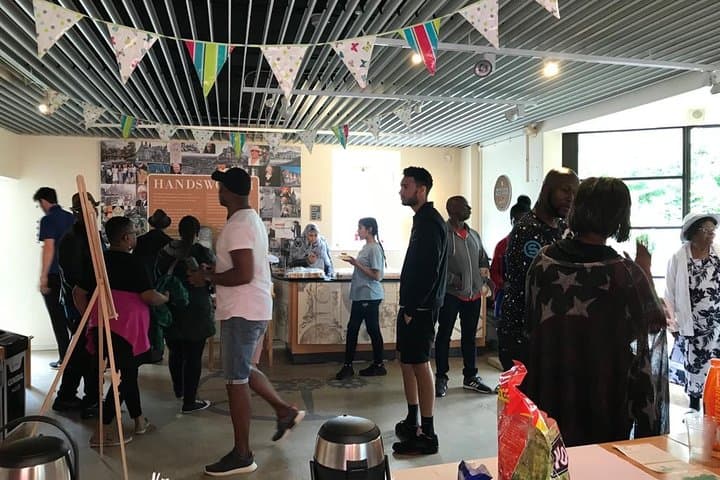
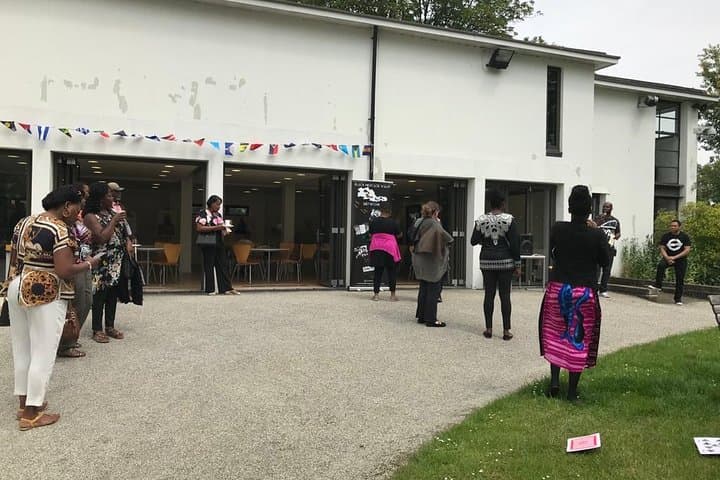
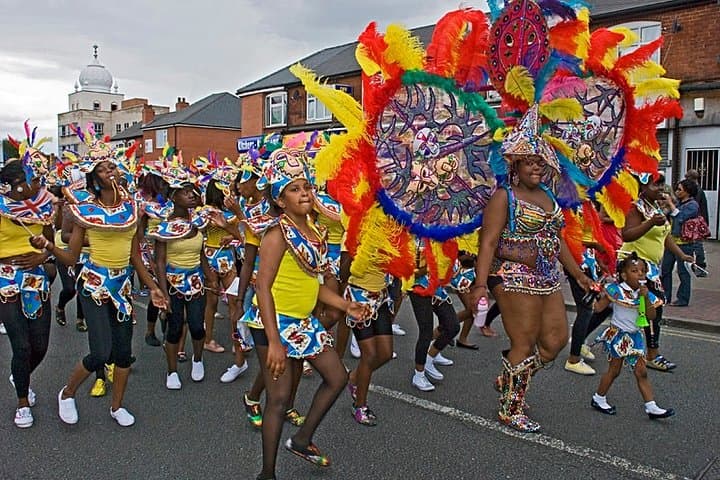
You step off the main road and into a street where vinyl shop fronts, church facades, and terraced houses carry stories in paint and plaster. The air carries overheard brass riffs and the scent of curry; a guide from BHWN threads those sounds and smells into a two-and-a-half-hour walk through Handsworth’s Black heritage.
Verified experiences and guided adventures in the surrounding area.
Operated by Black Heritage Walks Network · Birmingham, West Midlands
You step off the main road and into a street where vinyl shop fronts, church facades, and terraced houses carry stories in paint and plaster. The air carries overheard brass riffs and the scent of curry; a guide from BHWN threads those sounds and smells into a two-and-a-half-hour walk through Handsworth’s Black heritage.
Handsworth rose to national attention during Britain’s industrial era and again through post-war Caribbean migration. Here the Lunar Society’s industrial legacy—Matthew Boulton and his circle—meets the rhythms of steelband, reggae and gospel created by families who arrived in the 1940s and 50s. The terrain is urban: broad pavements, park paths and historic civic buildings rather than wilderness, but the city’s geology and industry are visible in sandstone facades and the canal network that once moved coal and goods.
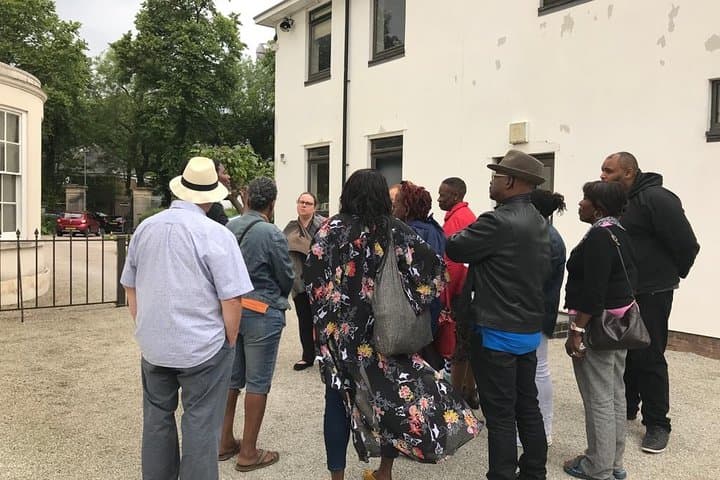
Expect a guided, interpretive stroll that pauses at murals, community hubs, and civic landmarks; groups are small and the pace steady. The guide layers social history, migration stories, music and local architecture into an accessible narrative that emphasizes people over monuments.
Practical notes: arrive on foot or by bus/tram, wear comfortable shoes, and bring a light rain layer—Birmingham weather changes fast. Photography is welcome but be courteous in residential spots and during conversations. The route is largely level and wheelchair-accessible, but check mobility needs with the operator in advance. This walk is as much about listening as seeing: come ready to hear local voices and leave with a clearer picture of one of Birmingham’s most influential communities.
moderate.
2–2.5 hours.
Suitable for people with moderate fitness who can walk for two hours with brief standing stops
Meeting details are provided on booking—typically a central Handsworth landmark or easily reached bus stop; confirm the exact meeting point and arrive 10 minutes early.
The operator lists the tour as wheelchair and stroller accessible, but notify them in advance so the guide can adapt stops as needed.
Yes—stroller-friendly and family-appropriate; younger children should be supervised throughout the walk.
Photography for personal use is welcome; always ask permission before photographing people or recording conversations.
Handsworth became a focal point for post-war Caribbean migration; its churches, clubs and music scenes shaped Birmingham’s cultural life alongside industrial-era figures like Matthew Boulton.
The tour encourages respectful engagement—minimize noise in residential areas, avoid littering in parks, and support local businesses to help sustain community-led preservation.
Black Heritage Walks Network operates guided outdoor trips and adventures with an emphasis on safety, stewardship, and memorable experiences.
You step off the main road and into a street where vinyl shop fronts, church facades, and terraced houses carry stories in paint and plaster. The air carries overheard brass riffs and the scent of curry; a guide from BHWN threads those sounds and smells into a two-and-a-half-hour walk through Handsworth’s Black heritage.
You step off the main road and into a street where vinyl shop fronts, church facades, and terraced houses carry stories in paint and plaster. The air carries overheard brass riffs and the scent of curry; a guide from BHWN threads those sounds and smells into a two-and-a-half-hour walk through Handsworth’s Black heritage.
Handsworth rose to national attention during Britain’s industrial era and again through post-war Caribbean migration. Here the Lunar Society’s industrial legacy—Matthew Boulton and his circle—meets the rhythms of steelband, reggae and gospel created by families who arrived in the 1940s and 50s. The terrain is urban: broad pavements, park paths and historic civic buildings rather than wilderness, but the city’s geology and industry are visible in sandstone facades and the canal network that once moved coal and goods.
Expect a guided, interpretive stroll that pauses at murals, community hubs, and civic landmarks; groups are small and the pace steady. The guide layers social history, migration stories, music and local architecture into an accessible narrative that emphasizes people over monuments.
Practical notes: arrive on foot or by bus/tram, wear comfortable shoes, and bring a light rain layer—Birmingham weather changes fast. Photography is welcome but be courteous in residential spots and during conversations. The route is largely level and wheelchair-accessible, but check mobility needs with the operator in advance. This walk is as much about listening as seeing: come ready to hear local voices and leave with a clearer picture of one of Birmingham’s most influential communities.