THE ADVENTURE COLLECTIVE® · Independent discovery and booking for outdoor travel

Explore Phoenician ruins at Utica, stand at Africa’s northernmost tip at Cape Angela, and finish in the working port of Bizerte on a compact six-hour day trip that pairs archaeology with raw coastal scenery.
Explore Phoenician ruins at Utica, stand at Africa’s northernmost tip at Cape Angela, and finish in the working port of Bizerte on a compact six-hour day trip that pairs archaeology with raw coastal scenery.
You arrive at a sun-bright quay in Bizerte and the Mediterranean pushes a cool, saline breath across the harbor, daring you northward. The road narrows, olive groves give way to low limestone cliffs, and the silhouette of ancient walls appears on a promontory — this is Utica, one of North Africa’s earliest Phoenician settlements.
Verified experiences and guided adventures in the surrounding area.
Operated by Didon tours · Bizerte, Bizerte Governorate
You arrive at a sun-bright quay in Bizerte and the Mediterranean pushes a cool, saline breath across the harbor, daring you northward. The road narrows, olive groves give way to low limestone cliffs, and the silhouette of ancient walls appears on a promontory — this is Utica, one of North Africa’s earliest Phoenician settlements.
Utica’s ruins open like a slow-motion reveal: mosaic fragments underfoot, the rectangular footprints of temples, and a cliff-top view where the sea stretches into clipped blue. geology here is mostly Miocene limestone shaped by wind and wave; the coastline’s low cliffs and coves tell a story of uplift and coastal erosion.
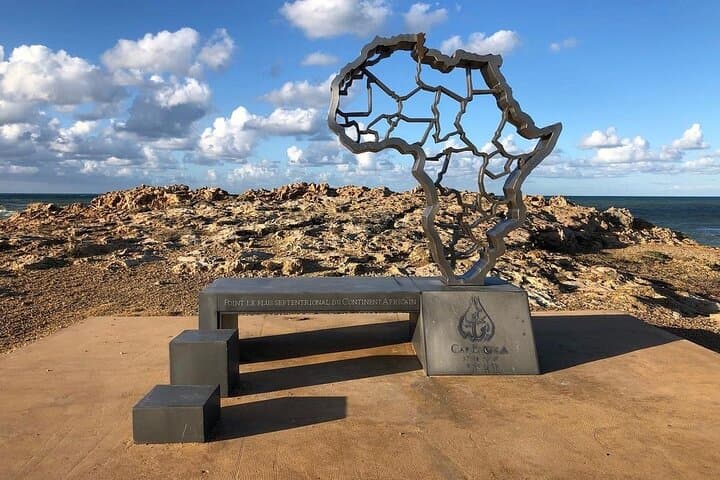
A short drive takes you to Cape Angela (Ras Angela), the continent’s northernmost point, where the Mediterranean seems to press against the land with restless hips and white-capped edges. The cape offers wide, raw views and a clear sense of place — fishermen, seabirds, and the hush of wind on scrub.
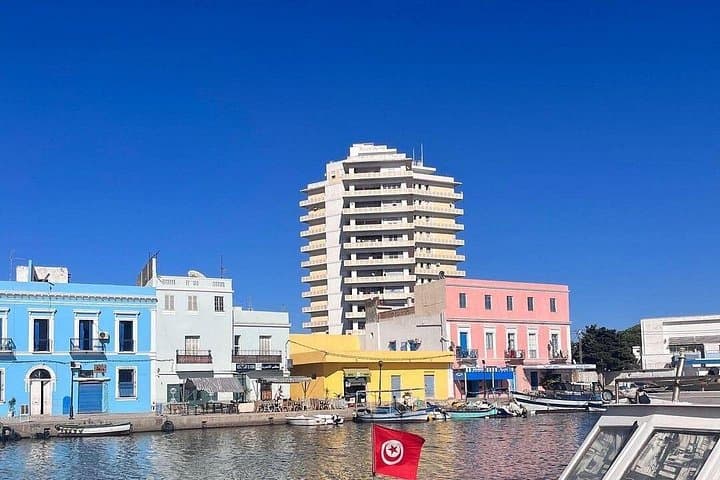
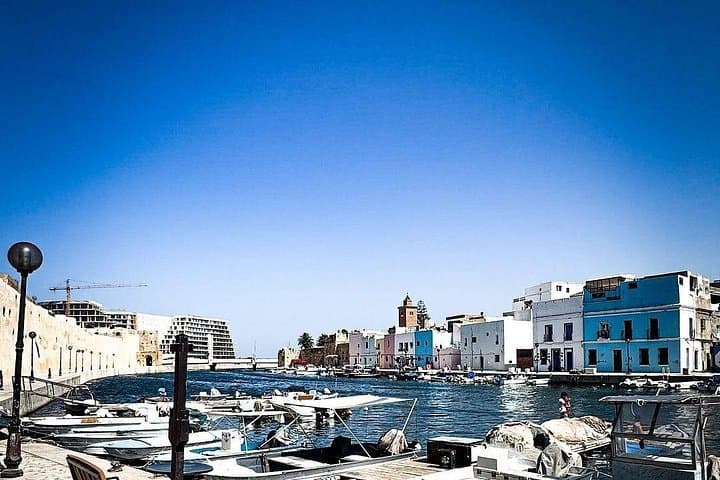
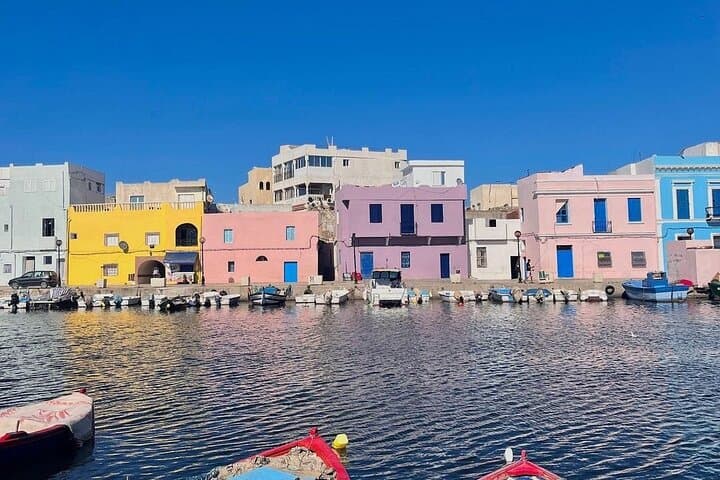
Return to Bizerte and step into a working port city: a compact medina, a kasbah with Ottoman-era traces, and seafood restaurants where locals point out their catch. Culture here blends Berber, Phoenician, Roman, Arab and Ottoman layers; every stone has been repurposed across eras.
Practical guidance: expect several short on-foot explorations on uneven ground, moderate walking shoes, sun protection, and hydrated pacing across a roughly six-hour itinerary. Plan for coastal breezes and limited shaded trails at the cape; timing your visit for morning light reduces heat and grants calmer seas for photography.
easy.
6 hours.
Light activity—comfortable for most people able to walk 1–2 miles with short uneven sections
Yes — the tour lists admission to Utica and Cape Angela as included in the price.
From central Tunis to Bizerte is roughly 60–75 km, typically 50–75 minutes depending on traffic; plan for about an hour each way.
The itinerary is described as physically easy and family-friendly, but uneven surfaces at archaeological sites can be challenging for very young children or those with limited mobility.
Yes — the tour includes a stop in Bizerte’s port or medina where you can sample local seafood and small restaurants overlooking the water.
Utica was founded by Phoenician settlers around the 9th century BC and later became an important Roman and Carthaginian site—layers of occupation are visible in its ruins.
Coastal erosion and visitor impact threaten low-lying archaeological features; follow guide directions, stay on paths, and avoid removing artifacts to help preserve sites.
Didon tours operates guided outdoor trips and adventures with an emphasis on safety, stewardship, and memorable experiences.
You arrive at a sun-bright quay in Bizerte and the Mediterranean pushes a cool, saline breath across the harbor, daring you northward. The road narrows, olive groves give way to low limestone cliffs, and the silhouette of ancient walls appears on a promontory — this is Utica, one of North Africa’s earliest Phoenician settlements.
You arrive at a sun-bright quay in Bizerte and the Mediterranean pushes a cool, saline breath across the harbor, daring you northward. The road narrows, olive groves give way to low limestone cliffs, and the silhouette of ancient walls appears on a promontory — this is Utica, one of North Africa’s earliest Phoenician settlements.
Utica’s ruins open like a slow-motion reveal: mosaic fragments underfoot, the rectangular footprints of temples, and a cliff-top view where the sea stretches into clipped blue. geology here is mostly Miocene limestone shaped by wind and wave; the coastline’s low cliffs and coves tell a story of uplift and coastal erosion.
A short drive takes you to Cape Angela (Ras Angela), the continent’s northernmost point, where the Mediterranean seems to press against the land with restless hips and white-capped edges. The cape offers wide, raw views and a clear sense of place — fishermen, seabirds, and the hush of wind on scrub.
Return to Bizerte and step into a working port city: a compact medina, a kasbah with Ottoman-era traces, and seafood restaurants where locals point out their catch. Culture here blends Berber, Phoenician, Roman, Arab and Ottoman layers; every stone has been repurposed across eras.
Practical guidance: expect several short on-foot explorations on uneven ground, moderate walking shoes, sun protection, and hydrated pacing across a roughly six-hour itinerary. Plan for coastal breezes and limited shaded trails at the cape; timing your visit for morning light reduces heat and grants calmer seas for photography.