THE ADVENTURE COLLECTIVE® · Independent discovery and booking for outdoor travel

Taste your way through Rüstem Paşa’s spice-scented lanes on a 5–6 hour walking tour that pairs street-food samplings with Ottoman trade history. Learn how coffee, baklava and hidden hans shaped modern Istanbul.
Taste your way through Rüstem Paşa’s spice-scented lanes on a 5–6 hour walking tour that pairs street-food samplings with Ottoman trade history. Learn how coffee, baklava and hidden hans shaped modern Istanbul.
Morning in Eminönü arrives as a bustle—steam from samovars, the sharp citrus of sumac, and carts negotiating narrow alleys. The Spice Bazaar stands like an open pantry to the city, and on this five- to six-hour walk you move through courtyards and covered hans where merchants once negotiated across continents.
Verified experiences and guided adventures in the surrounding area.
Operated by AND Travel Consulting · Istanbul, Istanbul
Morning in Eminönü arrives as a bustle—steam from samovars, the sharp citrus of sumac, and carts negotiating narrow alleys. The Spice Bazaar stands like an open pantry to the city, and on this five- to six-hour walk you move through courtyards and covered hans where merchants once negotiated across continents.
This neighborhood grew as part of Constantinople's Ottoman-era trade spine: Rüstem Paşa Mosque (16th century) sits above streets that funneled spices, coffee and textiles arriving from Anatolia, the Levant and beyond. The area’s geology—shallow coves of the Golden Horn and the sheltered lanes toward the Sea of Marmara—made this shoreline a natural port, shaping markets and the rhythm of daily life. Expect to meet living layers of culture: Armenian bakers, Assyrian han kitchens, Kurdish coffee sellers and centuries-old Turkish esnaf tradesmen whose techniques survived empire and republic.
Guides knit tastings to stories: why Gaziantep peanuts matter in baklava, how coffee from Tahtakale spread to Europe, and how hans sheltered traveling merchants. Practicalities are straightforward. The group gathers near the Spice Bazaar at 09:00; plan on steady walking between short stops and one full sit-down lunch at a traditional han. Wear sturdy shoes, bring small change for impromptu buys, and dress modestly for mosque visits. Hydrate and pace tastings—this is a marathon of flavor, not a buffet. Public transport reaches the meeting point; the tour is best in mild weather when the streets are busiest but still navigable.
moderate.
5–6 hours.
Moderate walking fitness; expect repeated short bursts of standing, staircases, and uneven pavement
The tour meets in front of the Spice Bazaar (Mısır Çarşısı) at 09:00; your voucher will confirm exact meeting details.
Guides can advise and adjust many tastings, but notify the operator ahead of booking so they can plan alternatives.
This tour involves uneven pavement and stairs and is not recommended for travelers with significant walking limitations; contact the operator for specifics.
Full refund available if canceled at least 24 hours before the scheduled departure; check your booking confirmation for details.
This quarter flourished under the Ottomans as a commercial crossroads where spices, coffee and textiles passed from caravans to ships.
Support family-owned stalls and avoid single-use plastics; heavy foot traffic pressures narrow lanes so travel in small groups and respect shopkeepers' spaces.
AND Travel Consulting operates guided outdoor trips and adventures with an emphasis on safety, stewardship, and memorable experiences.
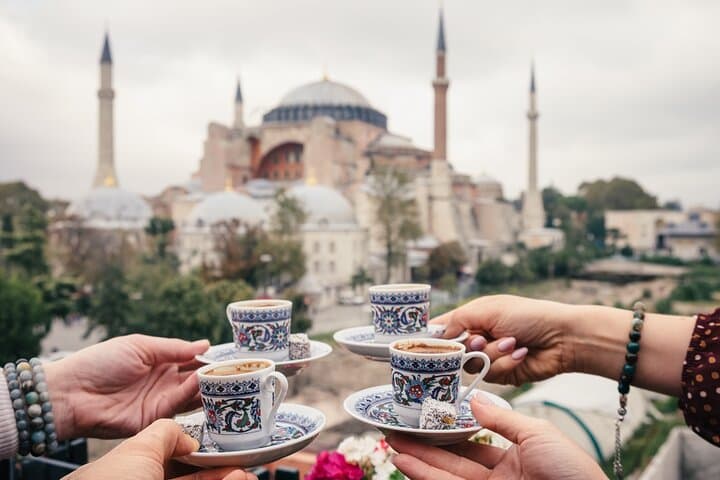
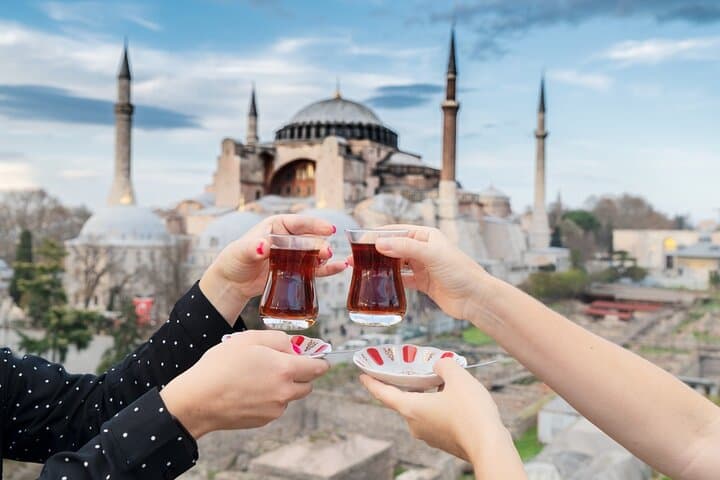
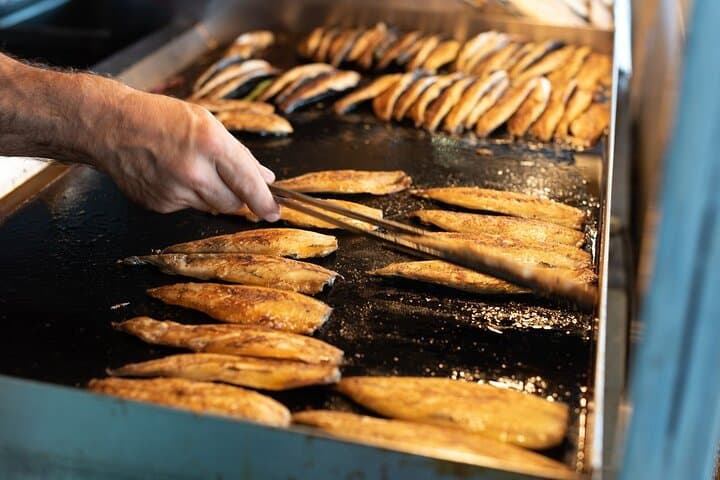
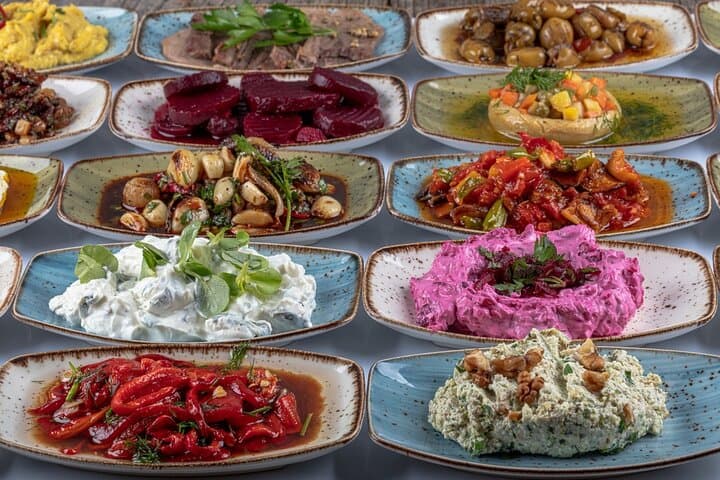
Morning in Eminönü arrives as a bustle—steam from samovars, the sharp citrus of sumac, and carts negotiating narrow alleys. The Spice Bazaar stands like an open pantry to the city, and on this five- to six-hour walk you move through courtyards and covered hans where merchants once negotiated across continents.
Morning in Eminönü arrives as a bustle—steam from samovars, the sharp citrus of sumac, and carts negotiating narrow alleys. The Spice Bazaar stands like an open pantry to the city, and on this five- to six-hour walk you move through courtyards and covered hans where merchants once negotiated across continents.
This neighborhood grew as part of Constantinople's Ottoman-era trade spine: Rüstem Paşa Mosque (16th century) sits above streets that funneled spices, coffee and textiles arriving from Anatolia, the Levant and beyond. The area’s geology—shallow coves of the Golden Horn and the sheltered lanes toward the Sea of Marmara—made this shoreline a natural port, shaping markets and the rhythm of daily life. Expect to meet living layers of culture: Armenian bakers, Assyrian han kitchens, Kurdish coffee sellers and centuries-old Turkish esnaf tradesmen whose techniques survived empire and republic.
Guides knit tastings to stories: why Gaziantep peanuts matter in baklava, how coffee from Tahtakale spread to Europe, and how hans sheltered traveling merchants. Practicalities are straightforward. The group gathers near the Spice Bazaar at 09:00; plan on steady walking between short stops and one full sit-down lunch at a traditional han. Wear sturdy shoes, bring small change for impromptu buys, and dress modestly for mosque visits. Hydrate and pace tastings—this is a marathon of flavor, not a buffet. Public transport reaches the meeting point; the tour is best in mild weather when the streets are busiest but still navigable.