THE ADVENTURE COLLECTIVE® · Independent discovery and booking for outdoor travel

Visit Birqash on a Friday morning to watch hundreds of camels change hands at Cairo’s largest traditional camel market. This guided excursion blends local trading customs with desert-edge scenery—best for curious travelers prepared for early starts and close-up animal encounters.
Visit Birqash on a Friday morning to watch hundreds of camels change hands at Cairo’s largest traditional camel market. This guided excursion blends local trading customs with desert-edge scenery—best for curious travelers prepared for early starts and close-up animal encounters.
You step from the air-conditioned van into a patch of dust and sunlight where voices, bells and the low grunts of camels stitch the morning together.
Verified experiences and guided adventures in the surrounding area.
Operated by Egypt Tours Online · Birqash, Giza Governorate
You step from the air-conditioned van into a patch of dust and sunlight where voices, bells and the low grunts of camels stitch the morning together.
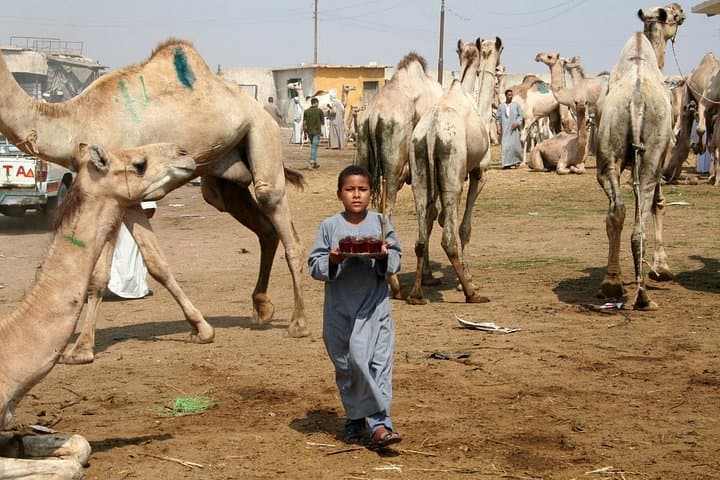
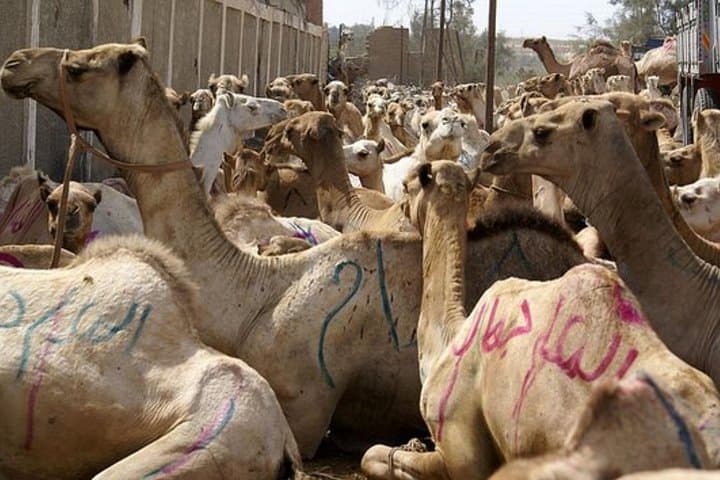
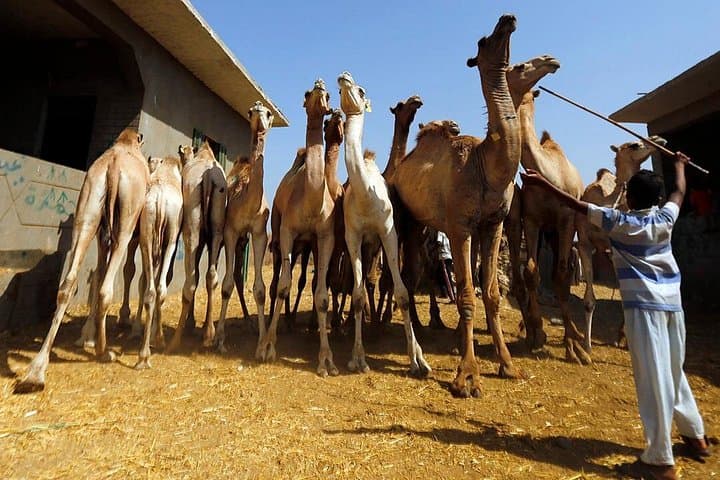
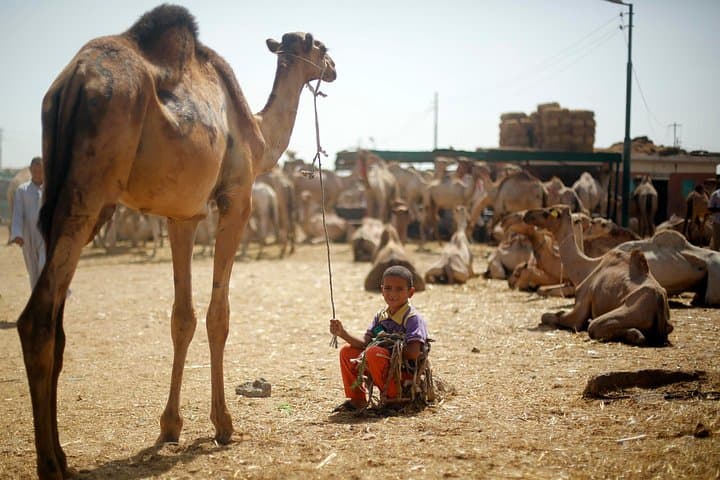
Early Friday is when Birqash wakes: traders smoke, buyers shout prices, handlers braid ropes and lead animals from the open pens. The market sits at the edge of the Western Desert, a flat wash of limestone and sand that frames each silhouette. You’ll smell hay and engine oil, hear Barbed laughter and bartered Arabic, and see camels in all shapes—pack, draft and racing types—brought from across Egypt and North Africa.
This market started inside the expanding city of Imbaba but moved outward as urban sprawl met the desert. It’s part living economy, part cultural archive: Bedouin families still rely on camels for transport and trade, while the market demonstrates long-standing animal husbandry practices and regional trading routes.
Practical notes arrive with the dust. The busiest trading is 7–11am (Friday peak 7–9am); the market remains open into early afternoon. Wear closed shoes and long pants to protect against loose hay and animal hooves. Carry cash in small bills for snacks or small purchases—cards aren’t reliable. Photography is common but ask before shooting close portraits of sellers or animals. Be mindful of animal welfare: camels may be tethered or crowded; avoid touching or feeding without permission. Tours typically include pickup and drop-off from Cairo, a guide who explains market customs, and bottled water. Expect about four hours total; bring sunscreen, a hat and curiosity, and leave room in your schedule for traffic returning to the city.
easy.
4 hours.
Light walking and standing—suitable for most people who can move unassisted
Friday morning between 7–9am is the liveliest; most trading occurs before 11am, though the market stays open until early afternoon.
Yes, but always ask vendors and handlers before close-up portraits; avoid flash around animals and be respectful of private moments.
Most tours offer private A/C vehicle pickup and drop-off from Cairo; confirm the pickup point when booking.
The site involves uneven ground and animal areas—it's not recommended for people with serious spinal, heart, or pregnancy-related restrictions.
The market was relocated from Imbaba to Birqash as Cairo expanded; it remains one of Egypt’s oldest large-scale livestock trading hubs at the desert’s edge.
Animal welfare is a concern—visitors should support ethical guides, avoid encouraging rough handling, and limit disruptive behavior; responsible tourism can pressure better care practices.
Egypt Tours Online operates guided outdoor trips and adventures with an emphasis on safety, stewardship, and memorable experiences.
You step from the air-conditioned van into a patch of dust and sunlight where voices, bells and the low grunts of camels stitch the morning together.
You step from the air-conditioned van into a patch of dust and sunlight where voices, bells and the low grunts of camels stitch the morning together.
Early Friday is when Birqash wakes: traders smoke, buyers shout prices, handlers braid ropes and lead animals from the open pens. The market sits at the edge of the Western Desert, a flat wash of limestone and sand that frames each silhouette. You’ll smell hay and engine oil, hear Barbed laughter and bartered Arabic, and see camels in all shapes—pack, draft and racing types—brought from across Egypt and North Africa.
This market started inside the expanding city of Imbaba but moved outward as urban sprawl met the desert. It’s part living economy, part cultural archive: Bedouin families still rely on camels for transport and trade, while the market demonstrates long-standing animal husbandry practices and regional trading routes.
Practical notes arrive with the dust. The busiest trading is 7–11am (Friday peak 7–9am); the market remains open into early afternoon. Wear closed shoes and long pants to protect against loose hay and animal hooves. Carry cash in small bills for snacks or small purchases—cards aren’t reliable. Photography is common but ask before shooting close portraits of sellers or animals. Be mindful of animal welfare: camels may be tethered or crowded; avoid touching or feeding without permission. Tours typically include pickup and drop-off from Cairo, a guide who explains market customs, and bottled water. Expect about four hours total; bring sunscreen, a hat and curiosity, and leave room in your schedule for traffic returning to the city.