THE ADVENTURE COLLECTIVE® · Independent discovery and booking for outdoor travel

Step into Birqash at first light to watch hundreds of camels traded and examined in one of Egypt’s largest livestock markets. This guided excursion combines cultural insight, local barter practices and close-up animal encounters—best experienced early on Friday or Saturday mornings.
Step into Birqash at first light to watch hundreds of camels traded and examined in one of Egypt’s largest livestock markets. This guided excursion combines cultural insight, local barter practices and close-up animal encounters—best experienced early on Friday or Saturday mornings.
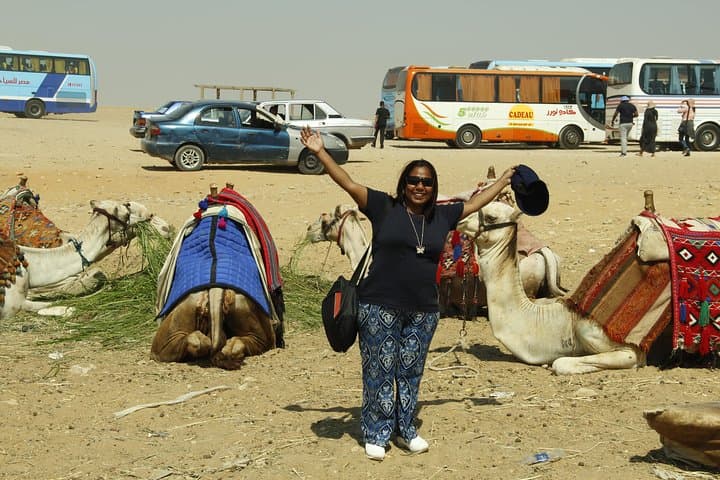
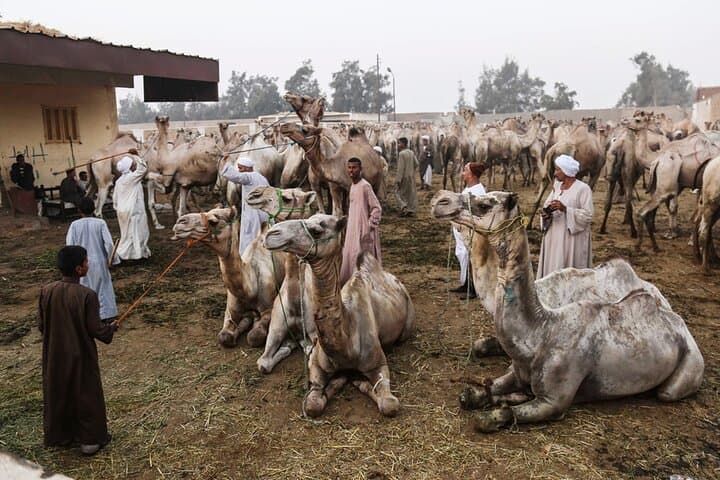
Sunrise throws long shadows over a low, sandy plain as rows of hump-backed animals stand in loose formation, tethered by braided ropes while traders shout prices and inspect teeth. Visiting the Birqash camel market feels like stepping into a working edge of Egypt—dust, motion and barter braided together as camels are led, examined and readied for sale.
Verified experiences and guided adventures in the surrounding area.
Operated by Egypt Day Tours · Cairo, Cairo Governorate
Sunrise throws long shadows over a low, sandy plain as rows of hump-backed animals stand in loose formation, tethered by braided ropes while traders shout prices and inspect teeth. Visiting the Birqash camel market feels like stepping into a working edge of Egypt—dust, motion and barter braided together as camels are led, examined and readied for sale.
The market has existed for generations as a regional hub where Bedouin herders and village owners converge to trade dromedaries, tack and livestock skills. Geologically the site sits on the western floodplain beyond the Nile’s cultivated ribbon, a flat, well-draining surface that keeps the market usable through hot seasons. Culturally it’s a living marketplace: camels are economic animals for transport, milk and ceremonial use, and the market preserves negotiation styles and animal husbandry techniques that predate modern Cairo.
Plan to arrive at first light—the busiest window is early morning through midday, with Friday and Saturday drawing the largest crowds. Expect open, uneven ground, animal smells and lively haggling; wear sturdy shoes and sun protection. Photography is tempting but ask permission; traders often expect a small tip for staged shots. Many tours include air‑conditioned pickup and a guide who explains local customs, points out breeds and helps navigate bargaining.
Practical prep: carry small bills, stay hydrated, and be ready to walk between enclosures. The visit is sensory and social—less a zoo than a real marketplace—so move deliberately, respect animals and let the market’s rhythm set the pace.
moderate.
4–5 hours.
Moderate—able to walk across uneven, sandy ground for several hours and stand during inspections.
The market operates each morning into early afternoon, with the busiest days typically Friday and Saturday; morning visits are best for activity and variety.
Many excursions offer air‑conditioned pickup and drop‑off from Cairo hotels—confirm your booking includes transport and meeting point details.
Rules vary; always ask the handler before touching an animal—some camels are for sale and handlers may refuse to avoid spooking them.
Older children who can follow safety guidance and avoid startling animals will likely enjoy it; infants should remain on laps and close supervision is required.
Birqash has long served as a regional livestock trading center, where Bedouin herders and rural owners have traded camels for generations to supply Cairo’s needs.
Animal welfare concerns are present—choose guides who emphasize ethical interactions, avoid encouraging harmful handling, and minimize single‑use plastics during visits.
Egypt Day Tours operates guided outdoor trips and adventures with an emphasis on safety, stewardship, and memorable experiences.
Sunrise throws long shadows over a low, sandy plain as rows of hump-backed animals stand in loose formation, tethered by braided ropes while traders shout prices and inspect teeth. Visiting the Birqash camel market feels like stepping into a working edge of Egypt—dust, motion and barter braided together as camels are led, examined and readied for sale.
Sunrise throws long shadows over a low, sandy plain as rows of hump-backed animals stand in loose formation, tethered by braided ropes while traders shout prices and inspect teeth. Visiting the Birqash camel market feels like stepping into a working edge of Egypt—dust, motion and barter braided together as camels are led, examined and readied for sale.
The market has existed for generations as a regional hub where Bedouin herders and village owners converge to trade dromedaries, tack and livestock skills. Geologically the site sits on the western floodplain beyond the Nile’s cultivated ribbon, a flat, well-draining surface that keeps the market usable through hot seasons. Culturally it’s a living marketplace: camels are economic animals for transport, milk and ceremonial use, and the market preserves negotiation styles and animal husbandry techniques that predate modern Cairo.
Plan to arrive at first light—the busiest window is early morning through midday, with Friday and Saturday drawing the largest crowds. Expect open, uneven ground, animal smells and lively haggling; wear sturdy shoes and sun protection. Photography is tempting but ask permission; traders often expect a small tip for staged shots. Many tours include air‑conditioned pickup and a guide who explains local customs, points out breeds and helps navigate bargaining.
Practical prep: carry small bills, stay hydrated, and be ready to walk between enclosures. The visit is sensory and social—less a zoo than a real marketplace—so move deliberately, respect animals and let the market’s rhythm set the pace.