THE ADVENTURE COLLECTIVE® · Independent discovery and booking for outdoor travel

A focused two-hour private walking tour that threads Victoria Square, St. Philip’s Cathedral, the Jewellery Quarter and Brindleyplace canals. Ideal for visitors who want an efficient, historically rich introduction to Birmingham’s urban transformation.
A focused two-hour private walking tour that threads Victoria Square, St. Philip’s Cathedral, the Jewellery Quarter and Brindleyplace canals. Ideal for visitors who want an efficient, historically rich introduction to Birmingham’s urban transformation.
Stand in Victoria Square and feel the city’s pulse: civic stone and glass rise on three sides while tramlines hum beneath your feet. The guide points out the Town Hall’s façade, then leads the group into lanes where Victorian brick meets contemporary street life—markets, cafés, and the low, steady presence of the canals cutting through the centre.
Verified experiences and guided adventures in the surrounding area.
Operated by European Voyages · Birmingham, West Midlands
Stand in Victoria Square and feel the city’s pulse: civic stone and glass rise on three sides while tramlines hum beneath your feet. The guide points out the Town Hall’s façade, then leads the group into lanes where Victorian brick meets contemporary street life—markets, cafés, and the low, steady presence of the canals cutting through the centre.
Birmingham’s story is industrial and civic. Once a Midlands workshop hub, the Jewellery Quarter forged its reputation in metal and skill, while St. Philip’s Cathedral reflects early-18th-century English Baroque ambitions. Geology is subtle here—soft clays and sandstone underlie the streets, and manmade canals rerouted water and commerce, shaping neighborhoods that shifted from factories to creative quarters.
Culture is tactile: smiths still shape gold and silver, museums hold Pre-Raphaelite paintings and civic archives, and Brindleyplace shows how waterfront redevelopment rewrites daily life. Expect concise historical anecdotes, practical navigation through pedestrian streets, and a focus on places you can enter or photograph within two hours.
Practical guidance: arrive 10 minutes early at Victoria Square, wear supportive shoes for cobbles, and carry a small waterproof layer—Birmingham weather changes fast. The tour is private and paced for easy walking; admission fees to museums are not included unless requested. Public transport is convenient; Birmingham New Street is a 10–15 minute walk. Plan for about two hours of low-intensity walking with frequent stops—ideal for first-time visitors who want a compact, grounded introduction to the city.
easy.
2 hours.
Suitable for most fitness levels; involves walking on city pavements and occasional steps.
No—admission to museums and paid attractions is not included unless you request and arrange tickets in advance.
Yes; the route is stroller-accessible though some areas have cobbles—plan for a slightly slower pace.
Meet at Victoria Square near Birmingham Town Hall; arrive 10 minutes early to check in with your guide.
Much of the route is on paved streets and accessible, but check with the operator about specific lifts or alternate paths for full accessibility needs.
Birmingham grew rapidly during the Industrial Revolution; the Jewellery Quarter became a global centre for metalworking by the 19th century.
Canal restoration and heritage preservation have been central to Brindleyplace’s revival; visitors are asked to respect waterways, historic buildings, and local businesses to support sustainable tourism.
European Voyages operates guided outdoor trips and adventures with an emphasis on safety, stewardship, and memorable experiences.
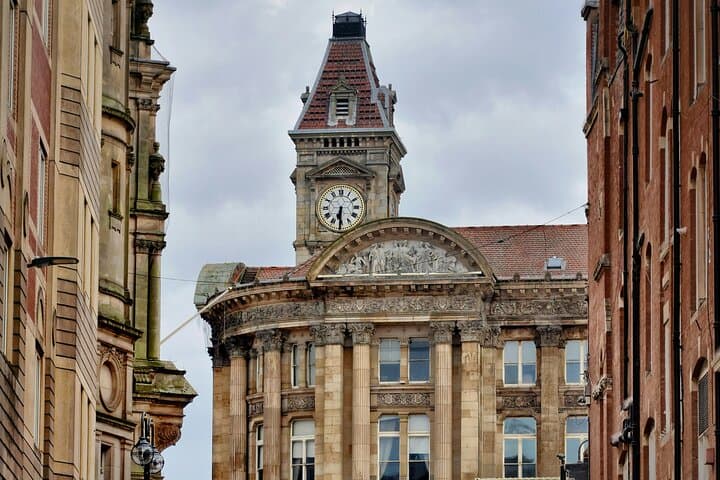
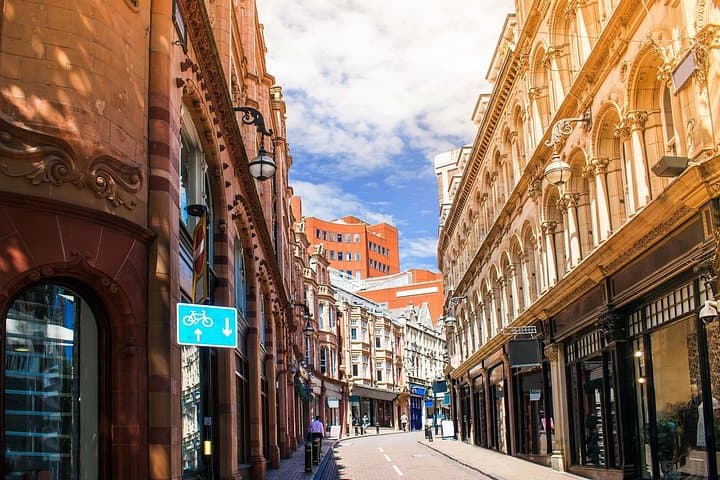
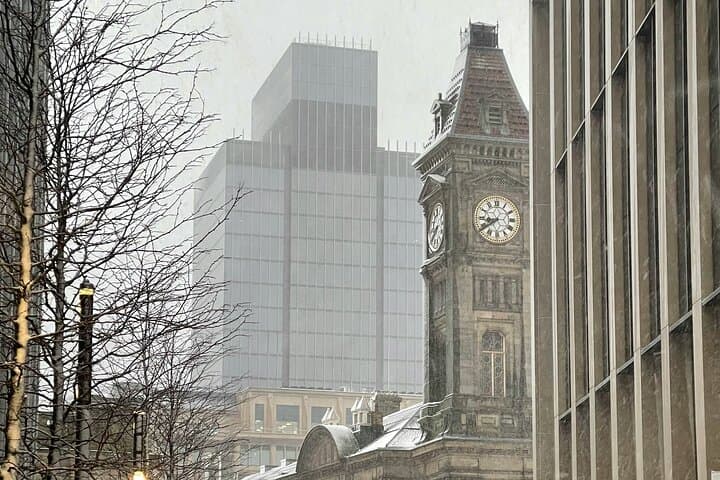
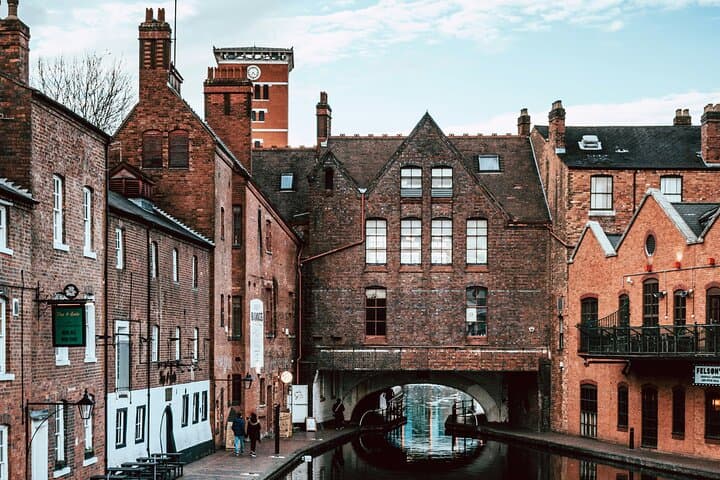
Stand in Victoria Square and feel the city’s pulse: civic stone and glass rise on three sides while tramlines hum beneath your feet. The guide points out the Town Hall’s façade, then leads the group into lanes where Victorian brick meets contemporary street life—markets, cafés, and the low, steady presence of the canals cutting through the centre.
Stand in Victoria Square and feel the city’s pulse: civic stone and glass rise on three sides while tramlines hum beneath your feet. The guide points out the Town Hall’s façade, then leads the group into lanes where Victorian brick meets contemporary street life—markets, cafés, and the low, steady presence of the canals cutting through the centre.
Birmingham’s story is industrial and civic. Once a Midlands workshop hub, the Jewellery Quarter forged its reputation in metal and skill, while St. Philip’s Cathedral reflects early-18th-century English Baroque ambitions. Geology is subtle here—soft clays and sandstone underlie the streets, and manmade canals rerouted water and commerce, shaping neighborhoods that shifted from factories to creative quarters.
Culture is tactile: smiths still shape gold and silver, museums hold Pre-Raphaelite paintings and civic archives, and Brindleyplace shows how waterfront redevelopment rewrites daily life. Expect concise historical anecdotes, practical navigation through pedestrian streets, and a focus on places you can enter or photograph within two hours.
Practical guidance: arrive 10 minutes early at Victoria Square, wear supportive shoes for cobbles, and carry a small waterproof layer—Birmingham weather changes fast. The tour is private and paced for easy walking; admission fees to museums are not included unless requested. Public transport is convenient; Birmingham New Street is a 10–15 minute walk. Plan for about two hours of low-intensity walking with frequent stops—ideal for first-time visitors who want a compact, grounded introduction to the city.