THE ADVENTURE COLLECTIVE® · Independent discovery and booking for outdoor travel

Walk Birmingham after dark with a local guide who mixes documented history and ghost lore. Over 90–120 minutes you’ll visit haunted hotels, a Gothic church, and sites tied to the city’s violent past.
Walk Birmingham after dark with a local guide who mixes documented history and ghost lore. Over 90–120 minutes you’ll visit haunted hotels, a Gothic church, and sites tied to the city’s violent past.
A cool evening wind moves down the broad sidewalks of downtown Birmingham as the guide gathers the small group in front of a weathered storefront. Streetlights lean in close, daring you to listen; the city’s brick faces keep their own counsel while the tour threads between stately hotels, a Gothic church, and the footprint of former jails.
Verified experiences and guided adventures in the surrounding area.
Operated by The Birmingham Historic Touring Company · Birmingham, Alabama
A cool evening wind moves down the broad sidewalks of downtown Birmingham as the guide gathers the small group in front of a weathered storefront. Streetlights lean in close, daring you to listen; the city’s brick faces keep their own counsel while the tour threads between stately hotels, a Gothic church, and the footprint of former jails.
This walk traces chapters of Birmingham’s growth — from the iron-and-coal-driven boom on Red Mountain to the early 20th-century hotel culture that hosted ministers, magnates, and the occasional scandal. Architecture matters here: Victorian facades, Classical revival office fronts, and the Cathedral of the Advent’s stonework anchor stories of public ritual and private sorrow. The route also touches sites tied to civic unrest and the county jail where executions were held until the 1920s, giving context to the darker anecdotes the guide shares.
Expect researched storytelling grounded in local records rather than theatrical effects; the tour pairs folklore with documented incidents and artifacts that surface the city’s social history. Small-group pauses outside the Redmont or former Tutwiler site offer chances to hear about séances, secret tunnels, and restless reputations.
Practically, the walk runs 90–120 minutes on mostly level sidewalks with brief slopes. It operates in most weather, so bring layered rain gear, sturdy walking shoes, water, and a charged phone for photos and quick notes. Guides accommodate mobility needs where sidewalks allow; check meeting details in advance and arrive 10–15 minutes early for check-in. The experience suits anyone curious about urban history, architecture, and the edges where fact meets legend.
moderate.
1.5–2 hours.
Moderate—able to stand and walk on city sidewalks for up to two hours with short pauses
Yes—sidewalk routes are mostly level with curb ramps; contact the operator ahead of time to confirm accessibility needs.
Typical durations are 90–120 minutes, often in the evening; older children comfortable with darker themes are appropriate—check operator age guidance.
The route is primarily outdoors, though small groups may be allowed brief indoor visits when available—this is subject to building access and group size.
The tour operates in most weather but may cancel for severe conditions; the provider offers a full refund if canceled at least 24 hours before departure.
Birmingham grew rapidly in the late 19th century as iron and steel industries clustered along Red Mountain; that boom shaped the downtown hotels and institutions visited on this walk.
Urban tours should minimize noise and foot traffic around sensitive sites, respect memorial spaces, and support nearby small businesses rather than leaving litter or graffiti.
The Birmingham Historic Touring Company operates guided outdoor trips and adventures with an emphasis on safety, stewardship, and memorable experiences.
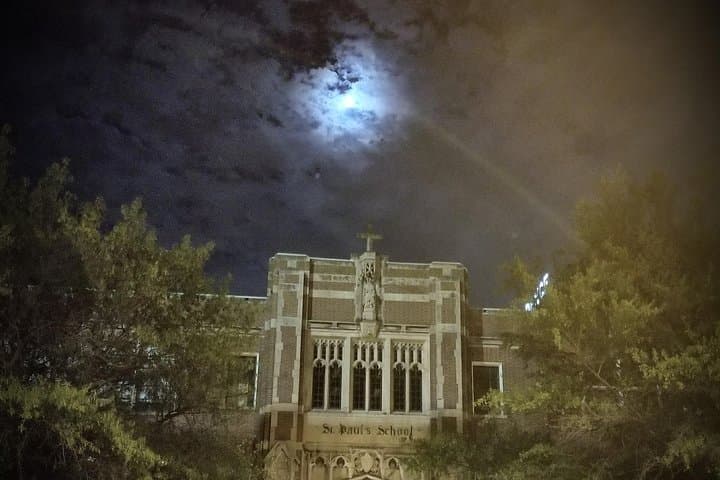
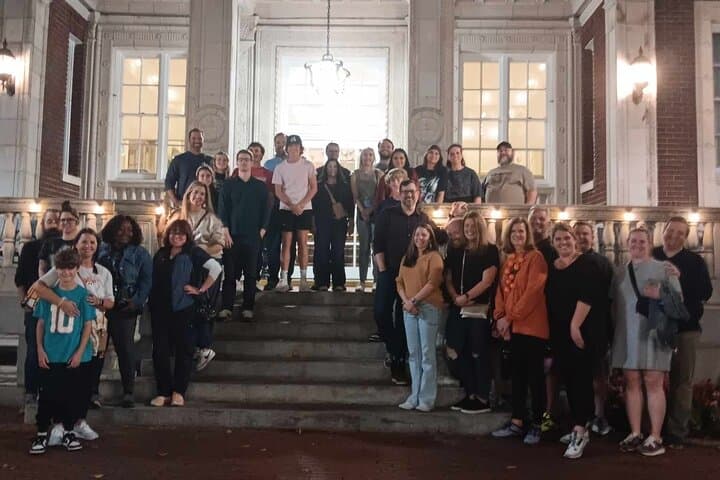
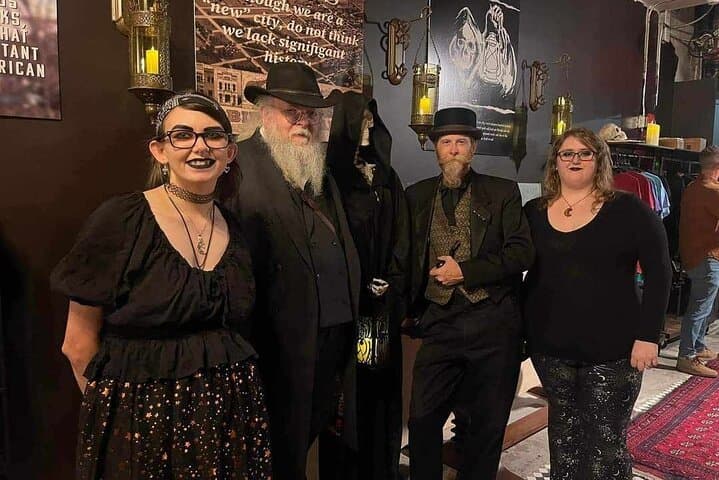
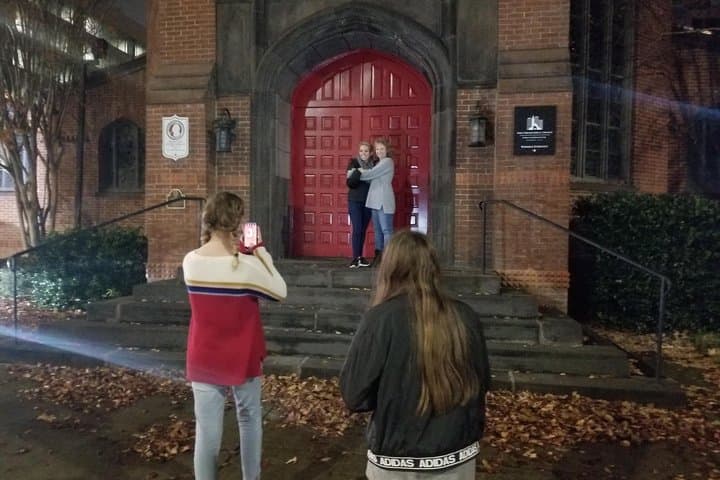
A cool evening wind moves down the broad sidewalks of downtown Birmingham as the guide gathers the small group in front of a weathered storefront. Streetlights lean in close, daring you to listen; the city’s brick faces keep their own counsel while the tour threads between stately hotels, a Gothic church, and the footprint of former jails.
A cool evening wind moves down the broad sidewalks of downtown Birmingham as the guide gathers the small group in front of a weathered storefront. Streetlights lean in close, daring you to listen; the city’s brick faces keep their own counsel while the tour threads between stately hotels, a Gothic church, and the footprint of former jails.
This walk traces chapters of Birmingham’s growth — from the iron-and-coal-driven boom on Red Mountain to the early 20th-century hotel culture that hosted ministers, magnates, and the occasional scandal. Architecture matters here: Victorian facades, Classical revival office fronts, and the Cathedral of the Advent’s stonework anchor stories of public ritual and private sorrow. The route also touches sites tied to civic unrest and the county jail where executions were held until the 1920s, giving context to the darker anecdotes the guide shares.
Expect researched storytelling grounded in local records rather than theatrical effects; the tour pairs folklore with documented incidents and artifacts that surface the city’s social history. Small-group pauses outside the Redmont or former Tutwiler site offer chances to hear about séances, secret tunnels, and restless reputations.
Practically, the walk runs 90–120 minutes on mostly level sidewalks with brief slopes. It operates in most weather, so bring layered rain gear, sturdy walking shoes, water, and a charged phone for photos and quick notes. Guides accommodate mobility needs where sidewalks allow; check meeting details in advance and arrive 10–15 minutes early for check-in. The experience suits anyone curious about urban history, architecture, and the edges where fact meets legend.