THE ADVENTURE COLLECTIVE® · Independent discovery and booking for outdoor travel

Explore Dzibanche’s ruins with a certified guide, pairing Mayan history with close-up birdwatching in lowland forest. This half-day tour from Bacalar combines canopy sightings, cultural context, and easy walking suited to most visitors.
Explore Dzibanche’s ruins with a certified guide, pairing Mayan history with close-up birdwatching in lowland forest. This half-day tour from Bacalar combines canopy sightings, cultural context, and easy walking suited to most visitors.
You step off the air-conditioned van into a hush of lowland forest where the stone faces of the ancient city watch the canopy. Morning light threads through ceiba and cedar, and the guide—binoculars ready—points to a flash of color that disappears into the leaves. Birdsong layers over distant calls from primates; the ruins and the wild share the same terrain, each shaping the other.
Verified experiences and guided adventures in the surrounding area.
Operated by Bacalar Ecotours · Bacalar, Quintana Roo
You step off the air-conditioned van into a hush of lowland forest where the stone faces of the ancient city watch the canopy. Morning light threads through ceiba and cedar, and the guide—binoculars ready—points to a flash of color that disappears into the leaves. Birdsong layers over distant calls from primates; the ruins and the wild share the same terrain, each shaping the other.
Dzibanche and nearby Mayan sites occupy limestone plains carved by underground water and centuries of human activity. Dzibanche itself dates back to the late Preclassic and Classical periods (around 200 BCE onward) and its plazas and stelae offer quiet perches for observing canopy species that adapted to the cleared corridors left by ancient plazas. The region’s geology—karst limestone with seasonal cenotes—creates a patchwork of forest and water that concentrates birdlife.
Culturally, excursions are led by certified guides who combine ornithological skills with local history, explaining how Maya agriculture and trade once followed the same routes birdwatchers now use to track migrants. Expect to see canopy specialists, mixed flocks, and occasional howler monkeys moving between trees.
Practical guidance: plan a 4–5 hour morning trip, wear closed-toe shoes and sun protection, bring a light rain layer in the wet season, and keep voices low near nesting areas. Hydrate, use binoculars rather than stepping off trails for a better view, and follow your guide’s instructions to protect fragile ruins and wildlife habitats.
easy.
4–5 hours.
Light walking on mostly flat, uneven forest trails; suitable for most fitness levels.
The tour runs about 4–5 hours (240–300 minutes), typically as a morning excursion with hotel pickup.
Private transportation, certified guide, binoculars, bottled water and snacks, and site admission are included as listed.
Yes—this trip is rated easy and suitable for most fitness levels; infant seats are available for car transport.
Yes—howler monkeys and other small primates are occasionally sighted in the forested corridors around the ruins, though sightings are not guaranteed.
Dzibanche was an influential Maya center from the late Preclassic into the Classic period; its plazas and carved stelae reflect long-term ceremonial and political use.
Guides emphasize staying on trails, not feeding wildlife, and minimizing noise to protect nesting birds and sensitive archaeological structures.
Bacalar Ecotours operates guided outdoor trips and adventures with an emphasis on safety, stewardship, and memorable experiences.

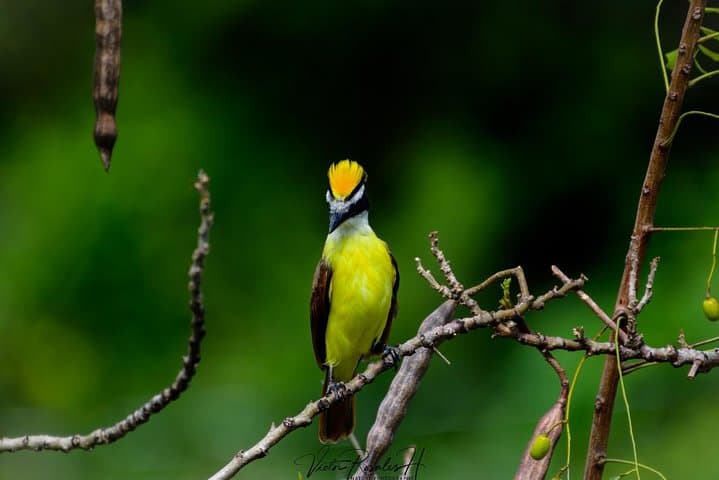
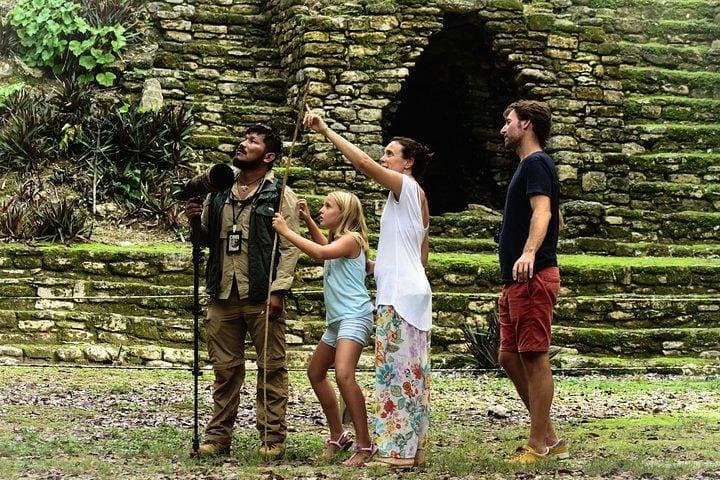
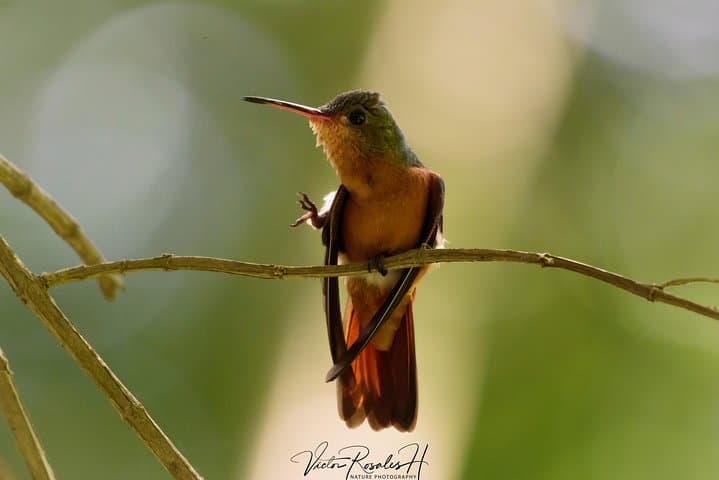
You step off the air-conditioned van into a hush of lowland forest where the stone faces of the ancient city watch the canopy. Morning light threads through ceiba and cedar, and the guide—binoculars ready—points to a flash of color that disappears into the leaves. Birdsong layers over distant calls from primates; the ruins and the wild share the same terrain, each shaping the other.
You step off the air-conditioned van into a hush of lowland forest where the stone faces of the ancient city watch the canopy. Morning light threads through ceiba and cedar, and the guide—binoculars ready—points to a flash of color that disappears into the leaves. Birdsong layers over distant calls from primates; the ruins and the wild share the same terrain, each shaping the other.
Dzibanche and nearby Mayan sites occupy limestone plains carved by underground water and centuries of human activity. Dzibanche itself dates back to the late Preclassic and Classical periods (around 200 BCE onward) and its plazas and stelae offer quiet perches for observing canopy species that adapted to the cleared corridors left by ancient plazas. The region’s geology—karst limestone with seasonal cenotes—creates a patchwork of forest and water that concentrates birdlife.
Culturally, excursions are led by certified guides who combine ornithological skills with local history, explaining how Maya agriculture and trade once followed the same routes birdwatchers now use to track migrants. Expect to see canopy specialists, mixed flocks, and occasional howler monkeys moving between trees.
Practical guidance: plan a 4–5 hour morning trip, wear closed-toe shoes and sun protection, bring a light rain layer in the wet season, and keep voices low near nesting areas. Hydrate, use binoculars rather than stepping off trails for a better view, and follow your guide’s instructions to protect fragile ruins and wildlife habitats.