THE ADVENTURE COLLECTIVE® · Independent discovery and booking for outdoor travel

Scan limestone cliffs and river gorges for cliff-nesting raptors and rare mountain passerines on a guided day tour through Ronda and Grazalema. Learn where to look, when to go, and what gear gets you the best views.
Scan limestone cliffs and river gorges for cliff-nesting raptors and rare mountain passerines on a guided day tour through Ronda and Grazalema. Learn where to look, when to go, and what gear gets you the best views.
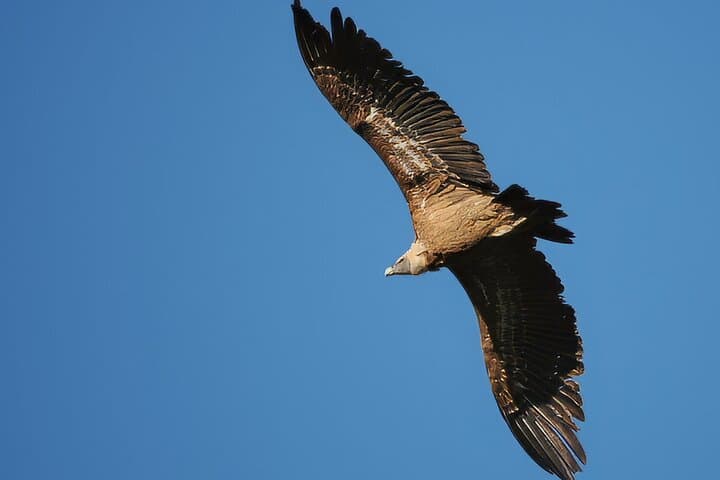
A cool wind cuts across the limestone cliffs as you step from the van onto a narrow track above a rushing river. The air smells of rosemary and crushed stone; griffon vultures wheel like slow kites above the crags while a nearby rock face hosts chattering crag martins. That first view—sheer rock, river gorge, and birds that use every ledge—sets the tone for a full day in western Andalusia.
Verified experiences and guided adventures in the surrounding area.
Operated by G3 Guides · Ronda, Andalusia
A cool wind cuts across the limestone cliffs as you step from the van onto a narrow track above a rushing river. The air smells of rosemary and crushed stone; griffon vultures wheel like slow kites above the crags while a nearby rock face hosts chattering crag martins. That first view—sheer rock, river gorge, and birds that use every ledge—sets the tone for a full day in western Andalusia.
This region’s geology is pure karst: limestone folded and eroded into cliffs, caves, and the deep gorge of Ronda. Those cliffs create the habitat that supports rupicolous species—rock-dwellers—while scrub and oak groves hold passerines typical of Mediterranean sierras. Human history here layers Roman roads, Moorish defensive towns and Ronda’s dramatic bridge where culture and landscape meet; shepherding and dryland agriculture still shape the slopes.
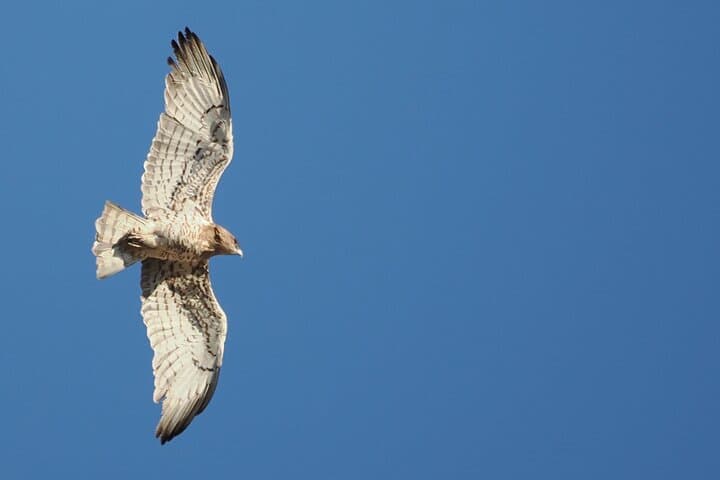
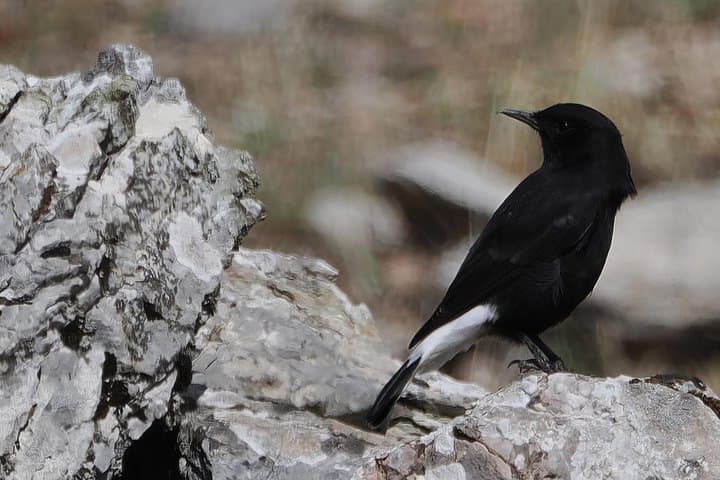
Expect a mostly vehicle-supported day with short walks to lookpoints and cliff bases. Guides focus on cliff-nesting raptors and mountain passerines: griffon vulture, Bonelli’s eagle (rare and elusive), blue rock-thrush, rock bunting and red-billed chough are highlights.
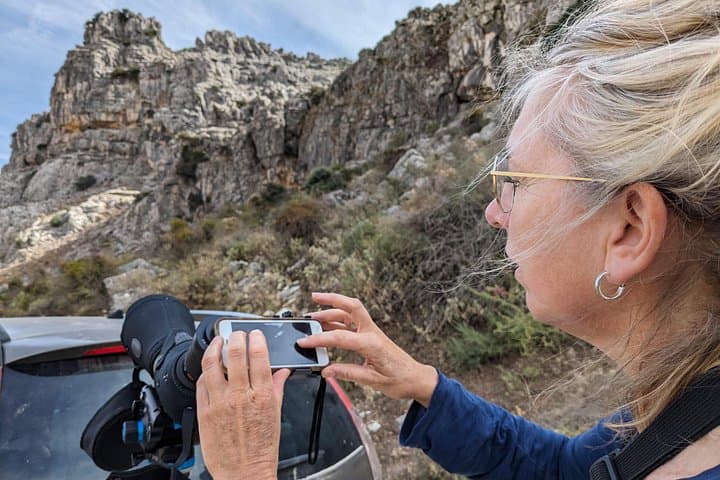
Practical edge: start early for calm air and active raptors, bring optics and a field guide, and wear sturdy shoes for rocky footing near cliff edges. Hydrate—there’s little shade on exposed crags—and plan for variable temperatures between valley and upland. The tour is suitable for most fitness levels but requires patience, quiet and steady footing to get the best views.
easy.
8 hours.
Suitable for most fitness levels—short, easy walks from the vehicle with some uneven ground
Walking is short and mostly on dirt tracks and lookout points; the tour is rated easy and suitable for most fitness levels, but expect uneven ground near cliffs.
Common sights include griffon vulture, crag martins, blue rock-thrush, rock bunting and various warblers; Bonelli’s eagle is present but rare and elusive.
Yes—an air-conditioned vehicle and a guide are included, with multiple stops for viewing and short field walks.
Yes; a telephoto lens or spotting scope adapter is recommended for good photos of distant birds on cliffs.
The Ronda gorge and surrounding sierras have been shaped by millennia of grazing and strategic settlements from Roman and Moorish eras, giving rise to villages perched on ridgelines and ancient pasturelands.
Local conservation focuses on protecting nesting cliffs and limiting disturbance during breeding season; visitors are encouraged to keep distance from nests and follow guide instructions to minimize impact.
G3 Guides operates guided outdoor trips and adventures with an emphasis on safety, stewardship, and memorable experiences.
A cool wind cuts across the limestone cliffs as you step from the van onto a narrow track above a rushing river. The air smells of rosemary and crushed stone; griffon vultures wheel like slow kites above the crags while a nearby rock face hosts chattering crag martins. That first view—sheer rock, river gorge, and birds that use every ledge—sets the tone for a full day in western Andalusia.
A cool wind cuts across the limestone cliffs as you step from the van onto a narrow track above a rushing river. The air smells of rosemary and crushed stone; griffon vultures wheel like slow kites above the crags while a nearby rock face hosts chattering crag martins. That first view—sheer rock, river gorge, and birds that use every ledge—sets the tone for a full day in western Andalusia.
This region’s geology is pure karst: limestone folded and eroded into cliffs, caves, and the deep gorge of Ronda. Those cliffs create the habitat that supports rupicolous species—rock-dwellers—while scrub and oak groves hold passerines typical of Mediterranean sierras. Human history here layers Roman roads, Moorish defensive towns and Ronda’s dramatic bridge where culture and landscape meet; shepherding and dryland agriculture still shape the slopes.
Expect a mostly vehicle-supported day with short walks to lookpoints and cliff bases. Guides focus on cliff-nesting raptors and mountain passerines: griffon vulture, Bonelli’s eagle (rare and elusive), blue rock-thrush, rock bunting and red-billed chough are highlights.
Practical edge: start early for calm air and active raptors, bring optics and a field guide, and wear sturdy shoes for rocky footing near cliff edges. Hydrate—there’s little shade on exposed crags—and plan for variable temperatures between valley and upland. The tour is suitable for most fitness levels but requires patience, quiet and steady footing to get the best views.