THE ADVENTURE COLLECTIVE® · Independent discovery and booking for outdoor travel

Pipeline Road in Soberanía National Park is one of Panama’s premier birding corridors—home to hundreds of Neotropical species. This guided day trip from Panama City combines early-morning forest walks with local history at the Gamboa Discovery Center.
Pipeline Road in Soberanía National Park is one of Panama’s premier birding corridors—home to hundreds of Neotropical species. This guided day trip from Panama City combines early-morning forest walks with local history at the Gamboa Discovery Center.
The air on Pipeline Road is thick with calls: a distant toucan punctuates the canopy while a troop of passerines flicks through the understory. You stand on a shaded, hard-packed forest track that follows the edge of Soberanía National Park—one of Central America’s most reliable birding corridors—where chirps and whistles seem to organize the morning.
Verified experiences and guided adventures in the surrounding area.
Operated by Panamanian Aventures · Gamboa, Panamá Province
The air on Pipeline Road is thick with calls: a distant toucan punctuates the canopy while a troop of passerines flicks through the understory. You stand on a shaded, hard-packed forest track that follows the edge of Soberanía National Park—one of Central America’s most reliable birding corridors—where chirps and whistles seem to organize the morning.
This corridor grew in significance after the construction of the Panama Canal reshaped local hydrology and created nearby Gatun Lake; the resulting mosaic of forest, wetlands and canal edge habitat supports over 450 bird species. Geologically recent uplift and human-made waterways have produced a patchwork of edge habitats that favor both lowland rainforest specialists and wetland birds.
Locally, Gamboa was a canal-era settlement whose human history is braided with labor camps and ecological change; today the Gamboa Discovery Center interprets that history while serving as a launch point for guided walks. Conservation here focuses on protecting contiguous forest and limiting disturbance from tourism and development.
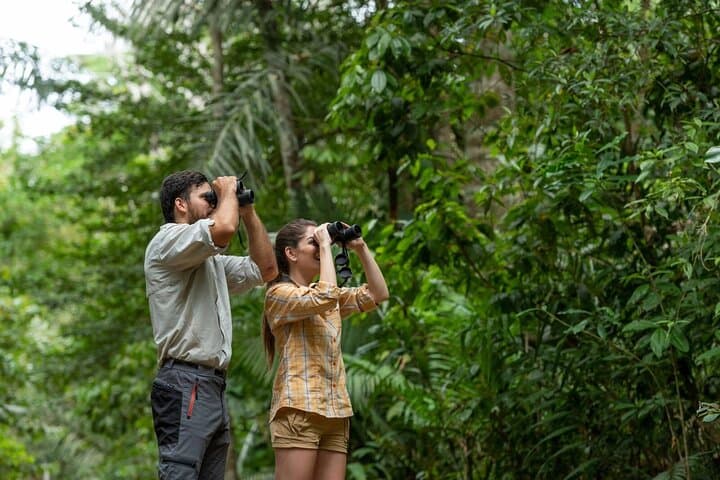
Practical guidance: go at first light—bird activity and visibility peak in the first two hours. Wear lightweight, long-sleeve layers and quiet soles for muddy stretches; a good pair of binoculars and a field guide make the difference between a glimpse and a lifer. Expect flat, sometimes soggy trails and intermittent river views that feel like the forest daring you to look up. Tours commonly include bottled water, snacks and private transport from Panama City, and run about 5–6 hours—ample time to cover key stretches of the Pipeline Road and a brief Gamboa visit.
easy.
5–6 hours.
Suitable for most fitness levels; participants should be able to walk unpaved forest trails for several hours.
Tours usually start at dawn or early morning and last about 5–6 hours, covering key stretches of Pipeline Road and a stop at Gamboa Discovery Center.
No—guides tailor the experience for beginners and experienced birders; basic walking ability is sufficient.
Yes—this tour typically includes private, air-conditioned transport to and from Panama City as noted in the tour inclusions.
Basic facilities and snacks (tropical fruit) and bottled water are usually provided; restroom access is limited on the trail, so plan accordingly.
Soberanía National Park sits beside the Panama Canal corridor; the park and nearby Gamboa town developed alongside canal construction and the formation of Gatun Lake, creating the habitats visitors see today.
The area faces pressure from expanding development; responsible guides minimize disturbance by staying on trails, limiting group size, and emphasizing leave-no-trace practices.
Panamanian Aventures operates guided outdoor trips and adventures with an emphasis on safety, stewardship, and memorable experiences.
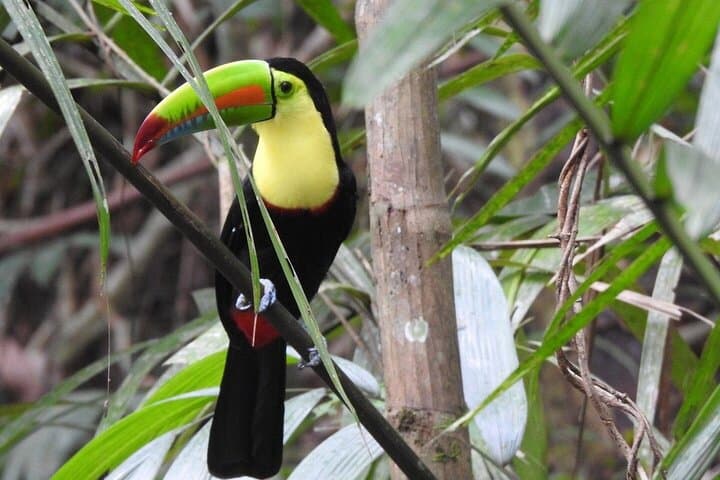
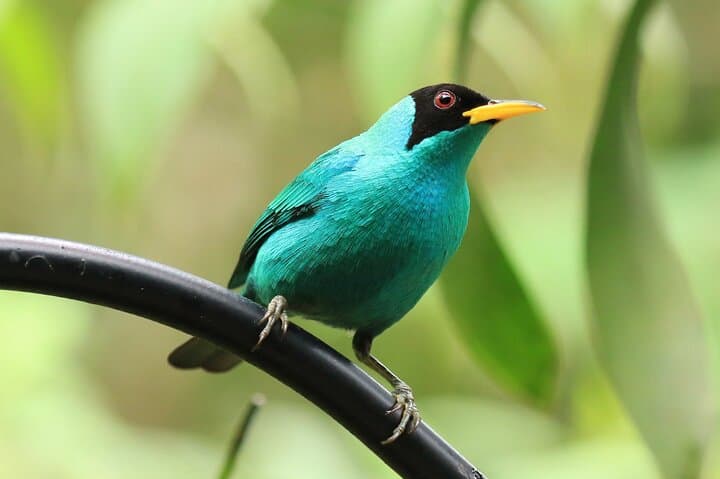
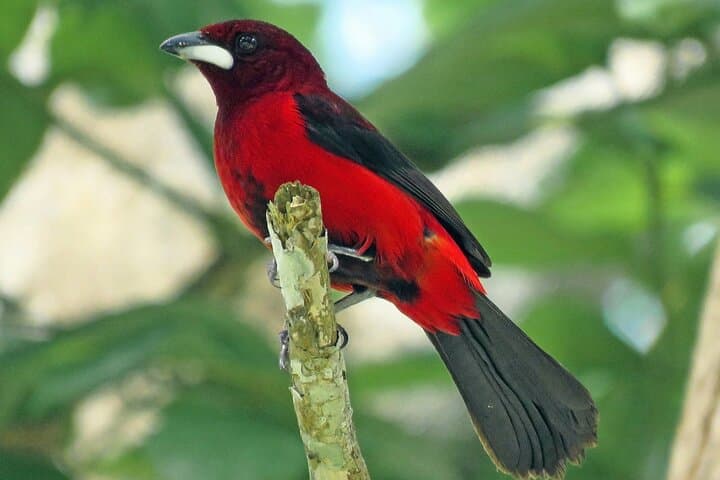
The air on Pipeline Road is thick with calls: a distant toucan punctuates the canopy while a troop of passerines flicks through the understory. You stand on a shaded, hard-packed forest track that follows the edge of Soberanía National Park—one of Central America’s most reliable birding corridors—where chirps and whistles seem to organize the morning.
The air on Pipeline Road is thick with calls: a distant toucan punctuates the canopy while a troop of passerines flicks through the understory. You stand on a shaded, hard-packed forest track that follows the edge of Soberanía National Park—one of Central America’s most reliable birding corridors—where chirps and whistles seem to organize the morning.
This corridor grew in significance after the construction of the Panama Canal reshaped local hydrology and created nearby Gatun Lake; the resulting mosaic of forest, wetlands and canal edge habitat supports over 450 bird species. Geologically recent uplift and human-made waterways have produced a patchwork of edge habitats that favor both lowland rainforest specialists and wetland birds.
Locally, Gamboa was a canal-era settlement whose human history is braided with labor camps and ecological change; today the Gamboa Discovery Center interprets that history while serving as a launch point for guided walks. Conservation here focuses on protecting contiguous forest and limiting disturbance from tourism and development.
Practical guidance: go at first light—bird activity and visibility peak in the first two hours. Wear lightweight, long-sleeve layers and quiet soles for muddy stretches; a good pair of binoculars and a field guide make the difference between a glimpse and a lifer. Expect flat, sometimes soggy trails and intermittent river views that feel like the forest daring you to look up. Tours commonly include bottled water, snacks and private transport from Panama City, and run about 5–6 hours—ample time to cover key stretches of the Pipeline Road and a brief Gamboa visit.