THE ADVENTURE COLLECTIVE® · Independent discovery and booking for outdoor travel

Walk private ecological trails 40 minutes from Cartagena and encounter 250+ bird species in a critically endangered dry tropical forest. This full-day, conservation-focused birding experience combines guided observation, local food, and sustainable agriculture insights.
Walk private ecological trails 40 minutes from Cartagena and encounter 250+ bird species in a critically endangered dry tropical forest. This full-day, conservation-focused birding experience combines guided observation, local food, and sustainable agriculture insights.
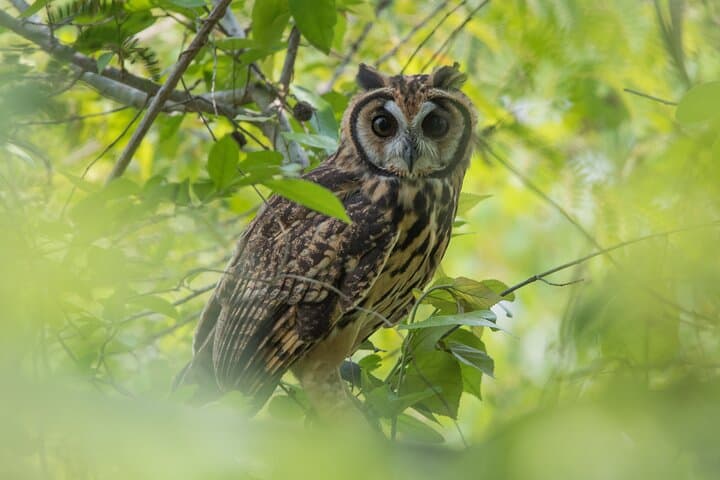
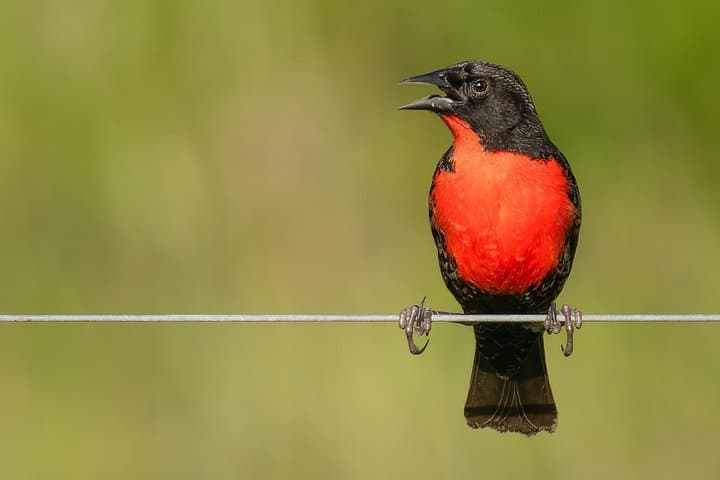
You step off the shuttle into air that already smells of earth and sun; the dry tropical forest around Turbaco hums with wingbeats and insect chatter. Trails thread through low trees and thorny scrub, and birdsongs—sharp, liquid, and sometimes impossibly close—cut through the quiet. Over seven hours on-site, the reserve unfolds as a living field guide: flickering tanagers, furtive motmots, and migratory warblers that pause here between coast and Sierra Nevada.
Verified experiences and guided adventures in the surrounding area.
Operated by Agrícola Camelias · Turbaco, Bolívar
You step off the shuttle into air that already smells of earth and sun; the dry tropical forest around Turbaco hums with wingbeats and insect chatter. Trails thread through low trees and thorny scrub, and birdsongs—sharp, liquid, and sometimes impossibly close—cut through the quiet. Over seven hours on-site, the reserve unfolds as a living field guide: flickering tanagers, furtive motmots, and migratory warblers that pause here between coast and Sierra Nevada.
This patch of tropical dry forest is part of a severely reduced coastal ecosystem that once stretched along Colombia’s Caribbean coast. Geologically, the terrain is flat to gently rolling (near sea level up to ~100 m), with limestone-derived soils that favor drought-adapted trees and abundant butterflies. Culturally, local farms around Turbaco mix traditional Caribbean agriculture with conservation-minded stewardship; visiting supports small-scale sustainable practices and community guides.
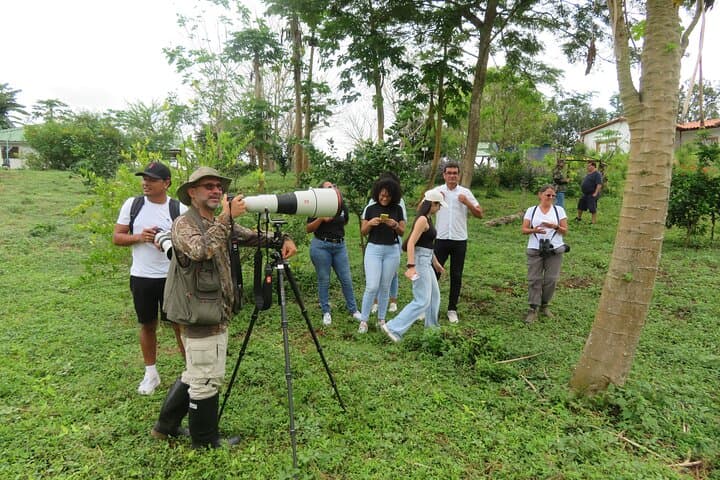
Practical guidance: the reserve operates as a private conservation site with ecological trails totaling a few kilometers of walking per visit—expect uneven dirt paths, rocky patches, and few steep climbs. Plan for a long day: breakfasts and organic coffee are provided, and guides supply boots and optics if needed, though bringing your own binoculars is recommended. Hydrate before you start, move quietly to improve sightings, and time visits for early morning or late afternoon when bird activity peaks. Respect marked paths to protect fragile understory plants and nesting sites.
This is a patient, observant adventure—less rush, more reward—where the forest’s creatures dare you to notice them.
easy.
9 hours (total day, ~7 hours on-site).
Suitable for most people who can walk 2–6 km on uneven ground; light stamina for a full-day outing.
The reserve visit typically runs about 7 hours (part of a 9-hour full-day tour including transport); expect several guided trail loops.
Guides provide optical equipment, but bringing your own binoculars or camera ensures comfort and quicker access for photos.
Yes—fitness needs are low and trails are generally easy, but it’s not recommended for visitors with reduced mobility or serious back/heart conditions.
The reserve hosts over 250 bird species including resident dry-forest specialties and seasonal migrants; guides tailor walks to maximize sightings.
The dry tropical forest around Turbaco is a remnant of a once more continuous coastal woodland; local initiatives now protect pockets of endemic biodiversity.
Visits fund habitat protection and community-led sustainable agriculture; stay on trails and follow guide instructions to minimize disturbance.
Agrícola Camelias operates guided outdoor trips and adventures with an emphasis on safety, stewardship, and memorable experiences.
You step off the shuttle into air that already smells of earth and sun; the dry tropical forest around Turbaco hums with wingbeats and insect chatter. Trails thread through low trees and thorny scrub, and birdsongs—sharp, liquid, and sometimes impossibly close—cut through the quiet. Over seven hours on-site, the reserve unfolds as a living field guide: flickering tanagers, furtive motmots, and migratory warblers that pause here between coast and Sierra Nevada.
You step off the shuttle into air that already smells of earth and sun; the dry tropical forest around Turbaco hums with wingbeats and insect chatter. Trails thread through low trees and thorny scrub, and birdsongs—sharp, liquid, and sometimes impossibly close—cut through the quiet. Over seven hours on-site, the reserve unfolds as a living field guide: flickering tanagers, furtive motmots, and migratory warblers that pause here between coast and Sierra Nevada.
This patch of tropical dry forest is part of a severely reduced coastal ecosystem that once stretched along Colombia’s Caribbean coast. Geologically, the terrain is flat to gently rolling (near sea level up to ~100 m), with limestone-derived soils that favor drought-adapted trees and abundant butterflies. Culturally, local farms around Turbaco mix traditional Caribbean agriculture with conservation-minded stewardship; visiting supports small-scale sustainable practices and community guides.
Practical guidance: the reserve operates as a private conservation site with ecological trails totaling a few kilometers of walking per visit—expect uneven dirt paths, rocky patches, and few steep climbs. Plan for a long day: breakfasts and organic coffee are provided, and guides supply boots and optics if needed, though bringing your own binoculars is recommended. Hydrate before you start, move quietly to improve sightings, and time visits for early morning or late afternoon when bird activity peaks. Respect marked paths to protect fragile understory plants and nesting sites.
This is a patient, observant adventure—less rush, more reward—where the forest’s creatures dare you to notice them.