THE ADVENTURE COLLECTIVE® · Independent discovery and booking for outdoor travel

Scan the shallow gold of Jaffna Lagoon at dawn: flamingos, sandplovers and migrant waders concentrate on mudflats and seagrass beds. This three-hour guided outing pairs local expertise with tide-driven viewing for top birding in northern Sri Lanka.
Scan the shallow gold of Jaffna Lagoon at dawn: flamingos, sandplovers and migrant waders concentrate on mudflats and seagrass beds. This three-hour guided outing pairs local expertise with tide-driven viewing for top birding in northern Sri Lanka.
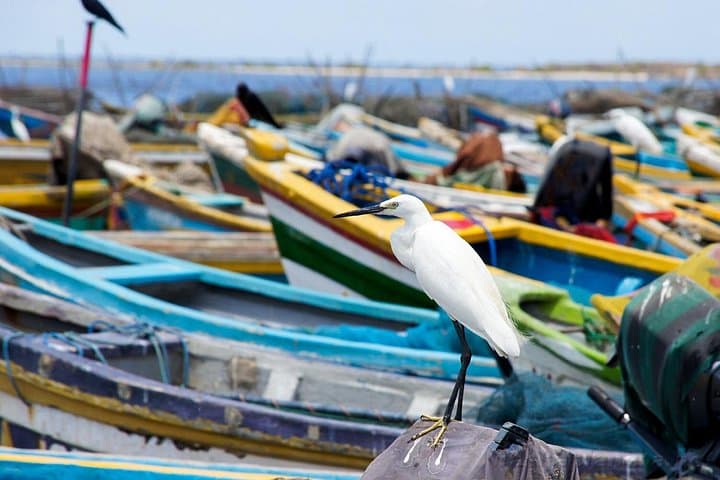
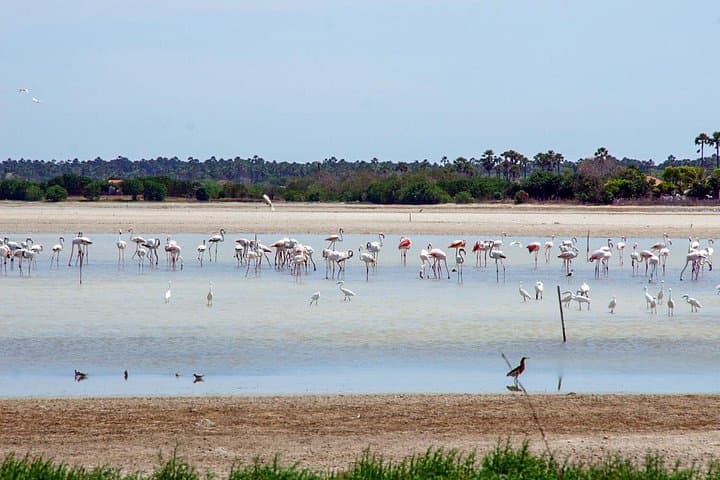
The sun lifts over Jaffna Lagoon and a shallow gold spreads across mudflats where flocks pick at the tide. Palmyra palms and coconut groves frame the low horizon while mangrove fingers and seagrass beds mark the lines where water and land argue. The lagoon itself moves with intention — a wide, shallow body that collects migratory life and local livelihoods alike.
Verified experiences and guided adventures in the surrounding area.
Operated by Lakpura LLC · Jaffna, Northern Province
The sun lifts over Jaffna Lagoon and a shallow gold spreads across mudflats where flocks pick at the tide. Palmyra palms and coconut groves frame the low horizon while mangrove fingers and seagrass beds mark the lines where water and land argue. The lagoon itself moves with intention — a wide, shallow body that collects migratory life and local livelihoods alike.
Geologically the lagoon is a coastal backwater shaped by tidal flow and sediment from rivers and rice fields; its mudflats and seagrass are prime feeding ground for migratory waders. The Jaffna Peninsula carries recent history and ancient culture: a long-standing Tamil fishing tradition, causeways that link islands, and salt pans that reflect changing tides. Bird migration here follows the corridor that threads through the Indian Ocean, concentrating shorebirds and ducks from roughly September through March.
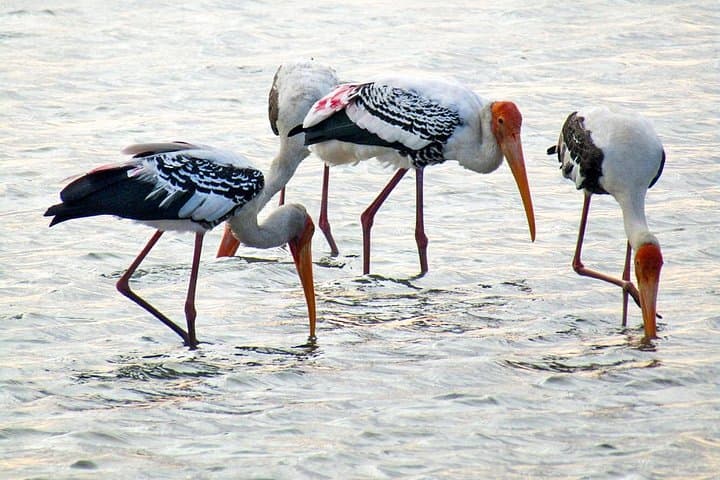
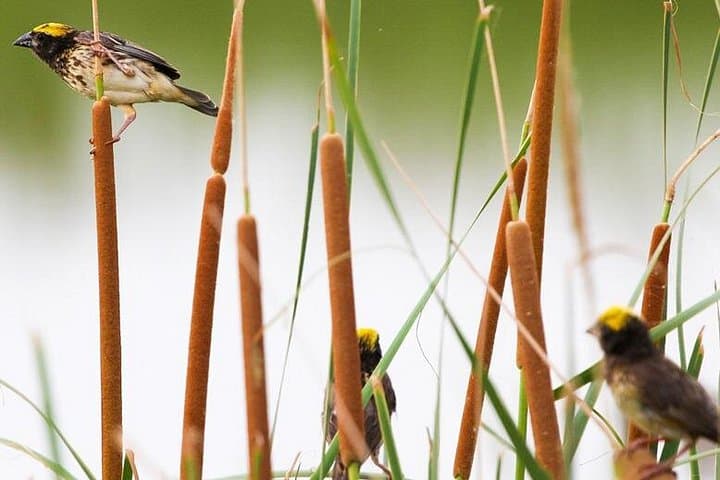
Expect tight, practical wildlife viewing: flamingos and small waders probing the flats, terns and gulls over open water, and skittish sandplovers on the road edges near Kayts Causeway. Local guides read tides and bird behavior — they’ll put you where the action is and keep disturbance to a minimum.
Practical notes: aim for early morning low tide and cooler light, plan a 3-hour window, and be prepared for sun and mosquitoes. Binoculars and a long lens reward observation; a short boat leg may be required to reach the best flats. Wear grippy shoes for muddy terrain, bring water, and move slowly — the lagoon’s birds respond to patience more than flash.
moderate.
3 hours.
Moderate — short walks on uneven, sometimes muddy terrain and short boat transfers may be required.
Peak migration runs roughly September–March, with highest concentrations in the cooler months and at low tide during early morning.
Some vantage points are accessible from causeways and shoreline; guides may recommend a short boat trip to reach richer flats depending on tides.
Yes if they have moderate mobility — expect short, uneven walks and occasional mud; inform the operator about mobility needs when booking.
There’s no general visitor permit for the lagoon, but local access rules or boat fees may apply; your guide or operator will arrange necessary permissions.
Jaffna Lagoon has long supported local fishing and salt production; its shoreline communities have shaped the region’s maritime culture for centuries.
The lagoon’s mudflats and seagrass beds are fragile feeding areas for migrants; low-impact viewing and working with local guides helps reduce disturbance and supports local stewardship.
Lakpura LLC operates guided outdoor trips and adventures with an emphasis on safety, stewardship, and memorable experiences.
The sun lifts over Jaffna Lagoon and a shallow gold spreads across mudflats where flocks pick at the tide. Palmyra palms and coconut groves frame the low horizon while mangrove fingers and seagrass beds mark the lines where water and land argue. The lagoon itself moves with intention — a wide, shallow body that collects migratory life and local livelihoods alike.
The sun lifts over Jaffna Lagoon and a shallow gold spreads across mudflats where flocks pick at the tide. Palmyra palms and coconut groves frame the low horizon while mangrove fingers and seagrass beds mark the lines where water and land argue. The lagoon itself moves with intention — a wide, shallow body that collects migratory life and local livelihoods alike.
Geologically the lagoon is a coastal backwater shaped by tidal flow and sediment from rivers and rice fields; its mudflats and seagrass are prime feeding ground for migratory waders. The Jaffna Peninsula carries recent history and ancient culture: a long-standing Tamil fishing tradition, causeways that link islands, and salt pans that reflect changing tides. Bird migration here follows the corridor that threads through the Indian Ocean, concentrating shorebirds and ducks from roughly September through March.
Expect tight, practical wildlife viewing: flamingos and small waders probing the flats, terns and gulls over open water, and skittish sandplovers on the road edges near Kayts Causeway. Local guides read tides and bird behavior — they’ll put you where the action is and keep disturbance to a minimum.
Practical notes: aim for early morning low tide and cooler light, plan a 3-hour window, and be prepared for sun and mosquitoes. Binoculars and a long lens reward observation; a short boat leg may be required to reach the best flats. Wear grippy shoes for muddy terrain, bring water, and move slowly — the lagoon’s birds respond to patience more than flash.