
Birdwatching in Cerro Blanco Reserve: Tropical Dry-Forest Birds Near Guayaquil
Spend a morning in Cerro Blanco’s rare coastal dry forest watching endemic and threatened bird species just outside Guayaquil. This guided, full-day outing combines roadside access with quiet trail birding for high odds of seeing parrots, trogons and owls.
An Adventure In Guayaquil.
Spend a morning in Cerro Blanco’s rare coastal dry forest watching endemic and threatened bird species just outside Guayaquil. This guided, full-day outing combines roadside access with quiet trail birding for high odds of seeing parrots, trogons and owls.
Read the full experience
Before sunrise a van eases out of Guayaquil and the city’s heat gives way to a patchwork of scrub and low hills. The trailhead at Cerro Blanco greets you with the dry forest’s particular hush — leaves crackle underfoot, a persistent cicada drives the rhythm, and distant calls thread the canopy. Guides tune ears to thin, strange calls and point where a flash of red or a motionless owl holds its ground.
Before sunrise a van eases out of Guayaquil and the city’s heat gives way to a patchwork of scrub and low hills. The trailhead at Cerro Blanco greets you with the dry forest’s particular hush — leaves crackle underfoot, a persistent cicada drives the rhythm, and distant calls thread the canopy. Guides tune ears to thin, strange calls and point where a flash of red or a motionless owl holds its ground.
Cerro Blanco is a remnant of Ecuador’s coastal dry forest, a landscape shaped by seasonal rains and long dry spells. Geologically it sits on coastal lowlands with shallow, well-draining soils that favor thorny trees, columnar cacti and dense understory — habitat for several species found nowhere else on the coast. The reserve is a conservation success near a major city, valued by local communities for recreation and biodiversity.
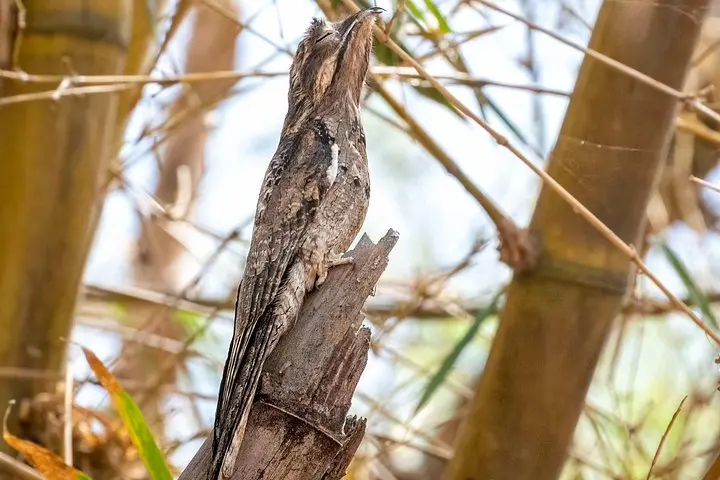
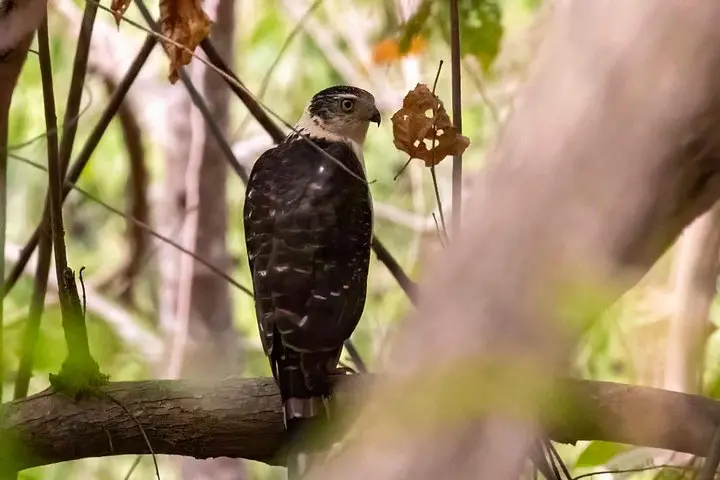
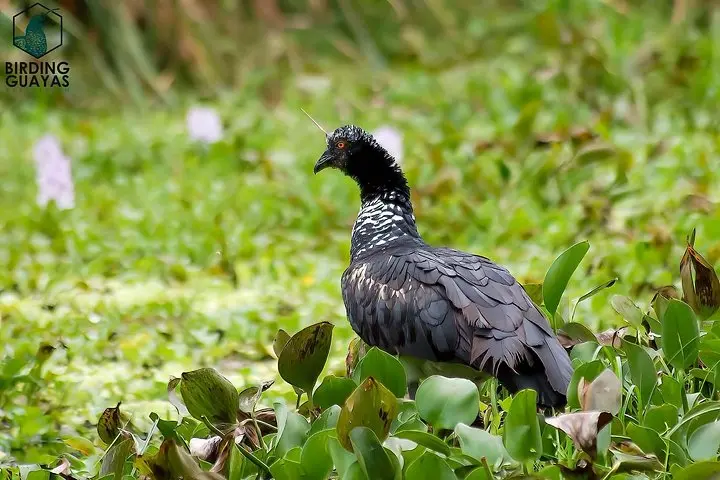
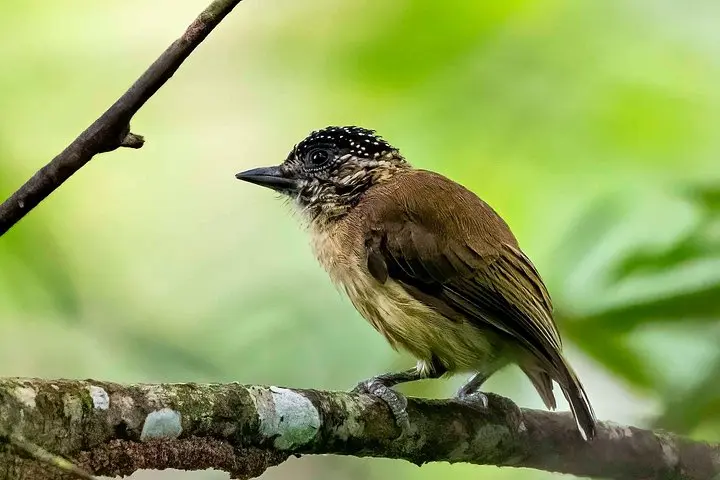
Expect focused, patient birding on uneven footpaths and short lookout climbs. Species you might encounter include spectacled owl, red-lored parrot, Ecuadorian trogon, Guayaquil woodpecker and white-tailed jay — each with its own territorial business and mannerisms that the guide helps you read. Walks are mostly early morning; light and quiet matter as much as optics.
Practical tips: wear sturdy walking shoes, use mosquito repellent, bring binoculars and water, and layer for variable shade and sun. Because terrain is sandy and rooty, balance and slower pacing pay off. The booking includes hotel pickup at 06:00, a guide, light lunch and return by mid-afternoon — a full-day, low-impact way to see coastal Ecuadorian endemics.
Frequently asked questions
Pickup is typically at 06:00 from Guayaquil hotels, with the group returning to hotels around 15:00.
The route is rated easy and suitable for most ages, but participants should be able to walk several hours on uneven ground; notify the operator about mobility concerns.
Yes — professional guide, hotel pickup/drop-off and transportation within the itinerary are included along with a boxed lunch.
Common targets include red-lored parrot, Ecuadorian trogon, Guayaquil woodpecker, white-tailed jay and occasional sightings of spectacled owl and mot-mot.
About This Experience
Perfect Destiny operates guided outdoor trips and adventures with an emphasis on safety, stewardship, and memorable experiences.
Adventure tips
Recommended gear
- Binoculars: Essential for locating and identifying birds in canopy and scrub.
- Sturdy hiking shoes: Provide traction on sandy, root-filled trails and short slopes.
- Reusable water bottle (1–2 L): Heat and dry-air make hydration important during a full-day outing.
- Lightweight rain jacket or windbreaker: Protects against unexpected coastal showers or morning chill in shaded areas.
Photos of the experience
Related adventures & guides
Read the full experience
Before sunrise a van eases out of Guayaquil and the city’s heat gives way to a patchwork of scrub and low hills. The trailhead at Cerro Blanco greets you with the dry forest’s particular hush — leaves crackle underfoot, a persistent cicada drives the rhythm, and distant calls thread the canopy. Guides tune ears to thin, strange calls and point where a flash of red or a motionless owl holds its ground.
Before sunrise a van eases out of Guayaquil and the city’s heat gives way to a patchwork of scrub and low hills. The trailhead at Cerro Blanco greets you with the dry forest’s particular hush — leaves crackle underfoot, a persistent cicada drives the rhythm, and distant calls thread the canopy. Guides tune ears to thin, strange calls and point where a flash of red or a motionless owl holds its ground.
Cerro Blanco is a remnant of Ecuador’s coastal dry forest, a landscape shaped by seasonal rains and long dry spells. Geologically it sits on coastal lowlands with shallow, well-draining soils that favor thorny trees, columnar cacti and dense understory — habitat for several species found nowhere else on the coast. The reserve is a conservation success near a major city, valued by local communities for recreation and biodiversity.
Expect focused, patient birding on uneven footpaths and short lookout climbs. Species you might encounter include spectacled owl, red-lored parrot, Ecuadorian trogon, Guayaquil woodpecker and white-tailed jay — each with its own territorial business and mannerisms that the guide helps you read. Walks are mostly early morning; light and quiet matter as much as optics.
Practical tips: wear sturdy walking shoes, use mosquito repellent, bring binoculars and water, and layer for variable shade and sun. Because terrain is sandy and rooty, balance and slower pacing pay off. The booking includes hotel pickup at 06:00, a guide, light lunch and return by mid-afternoon — a full-day, low-impact way to see coastal Ecuadorian endemics.
Make a day of it nearby.
Verified experiences and guided adventures in the surrounding area.