THE ADVENTURE COLLECTIVE® · Independent discovery and booking for outdoor travel

Spend a full day birding Cajas National Park from Cuenca, scanning highland lagoons and Polylepis groves for endemics like the Violet-throated Metaltail. This guided trip covers varied páramo and forest habitats with hotel pickup and a boxed lunch.
Spend a full day birding Cajas National Park from Cuenca, scanning highland lagoons and Polylepis groves for endemics like the Violet-throated Metaltail. This guided trip covers varied páramo and forest habitats with hotel pickup and a boxed lunch.
A cold wind crosses the high grass as you step from the van onto a rocky path; lagoons glint like coins scattered across a high plateau and the air smells of peat and wet stone. In Cajas National Park the landscape moves — water forcing itself into tarns, Polylepis trees clinging to wind-scoured slopes, and flocks of mountain birds busy along the margins.
Verified experiences and guided adventures in the surrounding area.
Operated by Polylepis Tours · Cuenca, Azuay
A cold wind crosses the high grass as you step from the van onto a rocky path; lagoons glint like coins scattered across a high plateau and the air smells of peat and wet stone. In Cajas National Park the landscape moves — water forcing itself into tarns, Polylepis trees clinging to wind-scoured slopes, and flocks of mountain birds busy along the margins.
The park’s bowl-like basins were carved by glaciers and now cradle over 230 lakes that feed Cuenca’s rivers. Human history here is recent but meaningful: local communities have long used the páramo for grazing and water collection, and the park has been protected to conserve the fragile alpine wetlands.
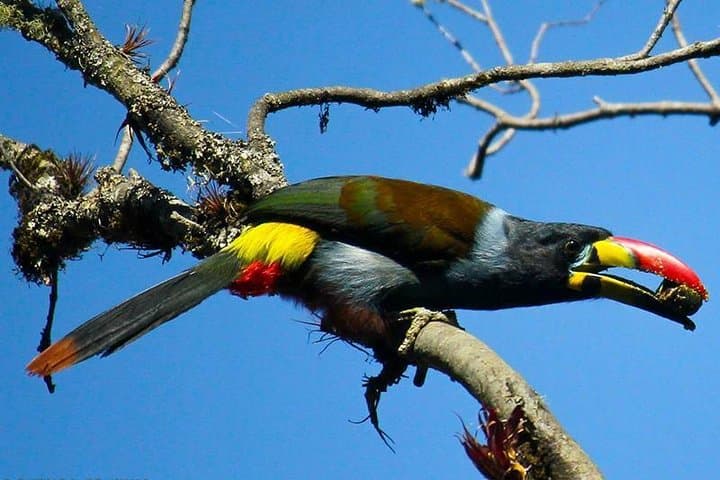
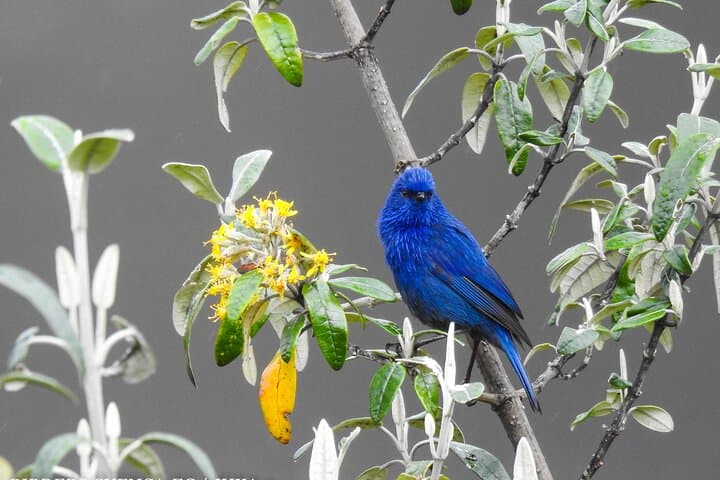
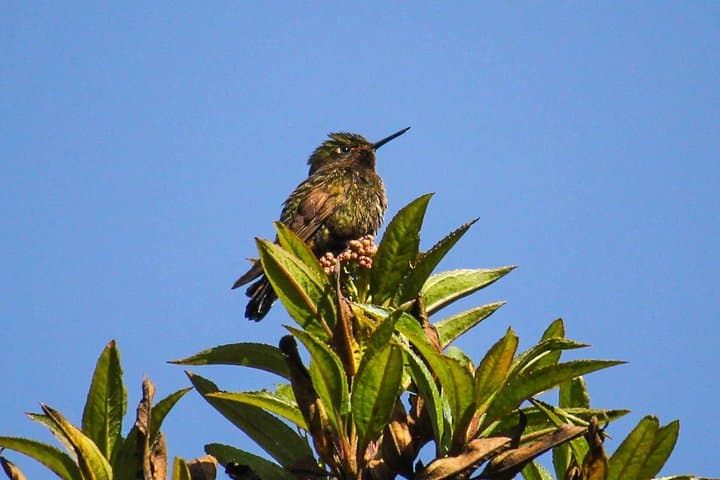
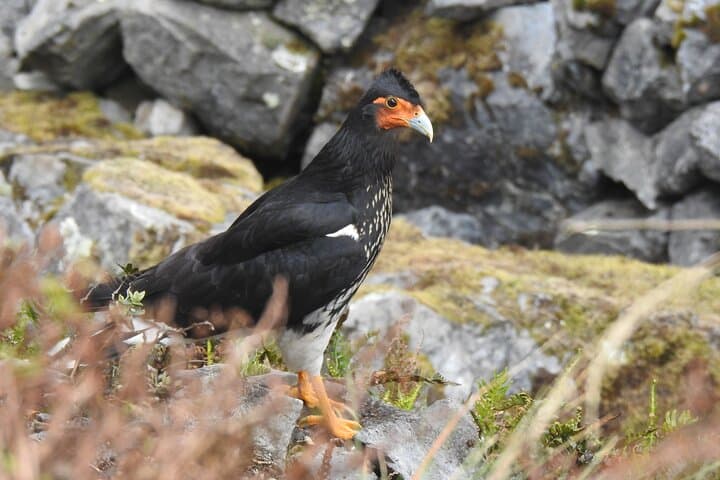
On a guided birdwatching day from Cuenca you’ll move between ecosystems — Andean forest, Polylepis groves and open páramo — listening for calls and scanning reed edges for hummingbirds and toucans. Expect an intimate pace: binoculars up, guide pointing, a notebook of species delivered at day’s end. The highlight is the endemic Violet-throated Metaltail among many regional specialties.
Practicalities: this is a full-day outing (about eight hours) at 3,100–4,300 m elevation with uneven, sometimes wet trails. Dress in layers, carry water and sun protection, and acclimatize in Cuenca the day before. Binoculars are often provided if requested, but bringing your own improves ID chances. The route is accessible to reasonably fit walkers — the reward is close encounters with highland birds and sweeping, elemental views that feel earned.
moderate.
8 hours.
Moderate fitness—able to walk several hours over uneven, high‑altitude terrain with short climbs.
Guides typically record around 30–50 species on a full-day trip, including highland specialties; exact numbers depend on season and weather.
Yes—private transportation with hotel pickup in Cuenca is included as part of the tour.
A current valid passport is required on the day of travel, per operator policy.
Not recommended for travelers with serious heart conditions due to altitude; children can join but fitness and acclimatization should be considered.
Cajas was designated a national park to protect high‑elevation wetlands that supply water to Cuenca; the landscape reflects recent glacial sculpting.
The páramo is fragile—stay on trails, pack out waste, and avoid disturbing vegetation to protect water sources and nesting birds.
Polylepis Tours operates guided outdoor trips and adventures with an emphasis on safety, stewardship, and memorable experiences.
A cold wind crosses the high grass as you step from the van onto a rocky path; lagoons glint like coins scattered across a high plateau and the air smells of peat and wet stone. In Cajas National Park the landscape moves — water forcing itself into tarns, Polylepis trees clinging to wind-scoured slopes, and flocks of mountain birds busy along the margins.
A cold wind crosses the high grass as you step from the van onto a rocky path; lagoons glint like coins scattered across a high plateau and the air smells of peat and wet stone. In Cajas National Park the landscape moves — water forcing itself into tarns, Polylepis trees clinging to wind-scoured slopes, and flocks of mountain birds busy along the margins.
The park’s bowl-like basins were carved by glaciers and now cradle over 230 lakes that feed Cuenca’s rivers. Human history here is recent but meaningful: local communities have long used the páramo for grazing and water collection, and the park has been protected to conserve the fragile alpine wetlands.
On a guided birdwatching day from Cuenca you’ll move between ecosystems — Andean forest, Polylepis groves and open páramo — listening for calls and scanning reed edges for hummingbirds and toucans. Expect an intimate pace: binoculars up, guide pointing, a notebook of species delivered at day’s end. The highlight is the endemic Violet-throated Metaltail among many regional specialties.
Practicalities: this is a full-day outing (about eight hours) at 3,100–4,300 m elevation with uneven, sometimes wet trails. Dress in layers, carry water and sun protection, and acclimatize in Cuenca the day before. Binoculars are often provided if requested, but bringing your own improves ID chances. The route is accessible to reasonably fit walkers — the reward is close encounters with highland birds and sweeping, elemental views that feel earned.