THE ADVENTURE COLLECTIVE® · Independent discovery and booking for outdoor travel

Head east from Cuenca for a full-day birdwatching tour through cloud forest and Andean foothills, where guides commonly record 40–60 species. Expect early starts, uneven forest tracks, bilingual guides, and a box lunch—perfect for photographers and first-time birders alike.
Head east from Cuenca for a full-day birdwatching tour through cloud forest and Andean foothills, where guides commonly record 40–60 species. Expect early starts, uneven forest tracks, bilingual guides, and a box lunch—perfect for photographers and first-time birders alike.
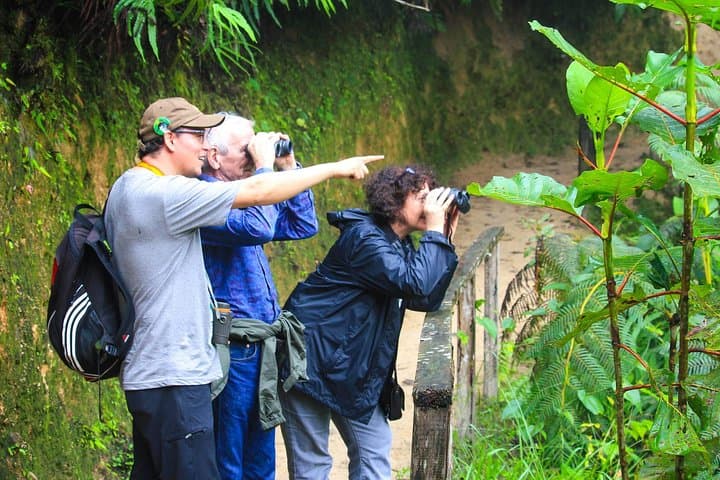
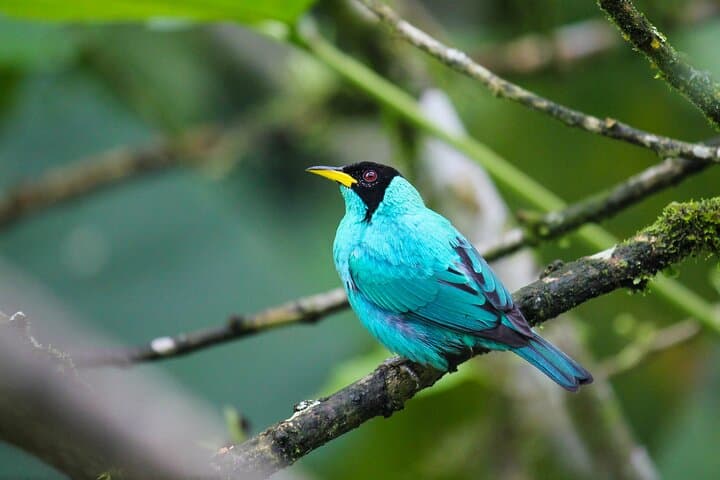
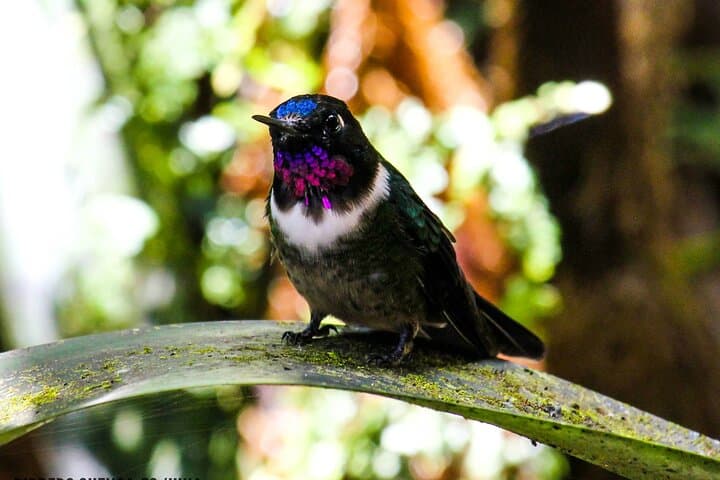
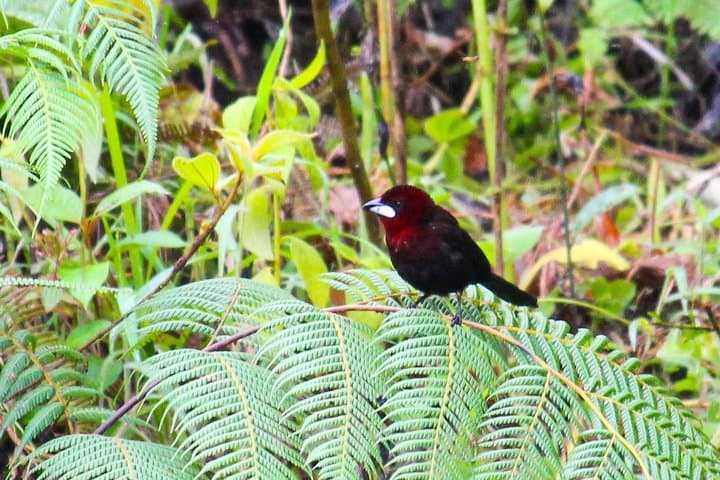
The minivan slips east out of Cuenca before dawn and the city’s stone roofs fall away into a ribbon of mist and bird calls. Sunlight hits the eastern slope in patches—orchids caught like coins in the trees—while guide and guests step onto a narrow trail where tanagers flash, trogons call, and hummingbirds quarrel over flowering shrubs.
Verified experiences and guided adventures in the surrounding area.
Operated by Polylepis Tours · Cuenca, Azuay
The minivan slips east out of Cuenca before dawn and the city’s stone roofs fall away into a ribbon of mist and bird calls. Sunlight hits the eastern slope in patches—orchids caught like coins in the trees—while guide and guests step onto a narrow trail where tanagers flash, trogons call, and hummingbirds quarrel over flowering shrubs.
This corridor sits where Andean geology gives way to the eastern foothills, a convergence of cloud forest, tropical forest and pockets of Andean dry forest that create sharp ecological edges. That diversity, plus Ecuador’s place between the Chocó and Tumbesian regions, helps explain why a skilled guide can point out 40–60 species on a good day.
Local culture here is rural and hands-on: small agricultural towns like Gualaceo have traded with Cuenca for centuries, and birding routes weave past pastures, river cuts and old irrigation terraces. You’ll hear about land uses and see how steep slopes influence microclimates and where specific birds prefer to feed or nest.
Practically, expect a 9-hour day with vehicle pickup from Cuenca, short walks on uneven forest trails, and up-close viewing from shady roadside streamlets. Binoculars and a field list are typically provided if requested; bring a lightweight rain jacket, layered clothing for temperature swings (Cuenca sits near 2,500 m), sturdy shoes, insect repellent, water and a charged camera.
Morning hours are most productive; patience rewards you with endemic and range-restricted species. The tour balances wildlife focus with accessible walking, making it a solid full-day introduction to Ecuador’s eastern cloud forests.
moderate.
9 hours.
Moderate fitness—able to walk short distances (0.5–3 km) on uneven, sometimes muddy trails and tolerate several hours standing.
Guides commonly record around 40–60 species in a single day depending on season, weather and group pacing.
Yes—private transportation and hotel pickup from Cuenca are included in the tour price.
Binoculars can be provided if requested in advance; bringing your own is recommended for consistent optics.
Travelers should have a moderate level of fitness; the tour is not recommended for those with serious cardiovascular problems.
This eastern corridor has long linked Andean towns like Cuenca and Gualaceo; traditional agriculture and smallholder farms shape the mosaic of habitats that birds use.
Habitat fragmentation is a local concern—supporting responsible guides and staying on trails reduces impact; donations to local reserves help maintain corridors.
Polylepis Tours operates guided outdoor trips and adventures with an emphasis on safety, stewardship, and memorable experiences.
The minivan slips east out of Cuenca before dawn and the city’s stone roofs fall away into a ribbon of mist and bird calls. Sunlight hits the eastern slope in patches—orchids caught like coins in the trees—while guide and guests step onto a narrow trail where tanagers flash, trogons call, and hummingbirds quarrel over flowering shrubs.
The minivan slips east out of Cuenca before dawn and the city’s stone roofs fall away into a ribbon of mist and bird calls. Sunlight hits the eastern slope in patches—orchids caught like coins in the trees—while guide and guests step onto a narrow trail where tanagers flash, trogons call, and hummingbirds quarrel over flowering shrubs.
This corridor sits where Andean geology gives way to the eastern foothills, a convergence of cloud forest, tropical forest and pockets of Andean dry forest that create sharp ecological edges. That diversity, plus Ecuador’s place between the Chocó and Tumbesian regions, helps explain why a skilled guide can point out 40–60 species on a good day.
Local culture here is rural and hands-on: small agricultural towns like Gualaceo have traded with Cuenca for centuries, and birding routes weave past pastures, river cuts and old irrigation terraces. You’ll hear about land uses and see how steep slopes influence microclimates and where specific birds prefer to feed or nest.
Practically, expect a 9-hour day with vehicle pickup from Cuenca, short walks on uneven forest trails, and up-close viewing from shady roadside streamlets. Binoculars and a field list are typically provided if requested; bring a lightweight rain jacket, layered clothing for temperature swings (Cuenca sits near 2,500 m), sturdy shoes, insect repellent, water and a charged camera.
Morning hours are most productive; patience rewards you with endemic and range-restricted species. The tour balances wildlife focus with accessible walking, making it a solid full-day introduction to Ecuador’s eastern cloud forests.