THE ADVENTURE COLLECTIVE® · Independent discovery and booking for outdoor travel

Spend a full day on the Alentejo plains searching for Great and Little Bustards and sandgrouse. This guided tour pairs roadside hides and telescope viewing with local knowledge and a traditional snack to close the day.
Spend a full day on the Alentejo plains searching for Great and Little Bustards and sandgrouse. This guided tour pairs roadside hides and telescope viewing with local knowledge and a traditional snack to close the day.
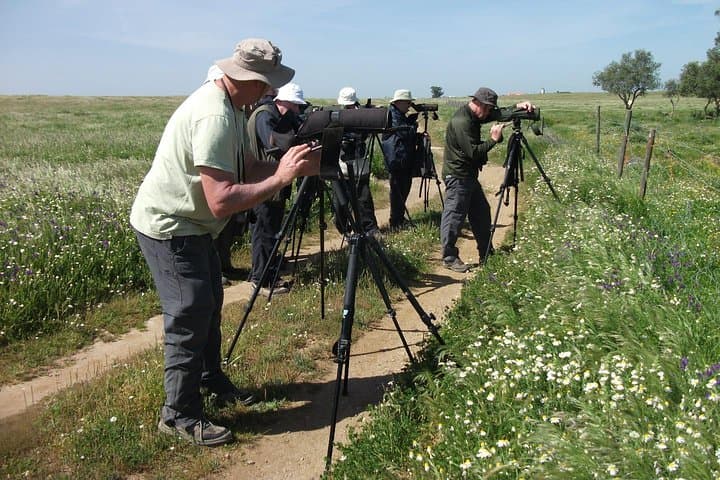
The morning light in the Alentejo spills across open cereal fields and dry stone walls, and the first calls rise like markers across the plain. On a full-day birdwatching trip around Castro Verde, participants follow private transport to low, wide steppes where Great and Little Bustards strut and sandgrouse quarter the horizon. Telescopes are set up at salt-of-the-earth vantage points; patience and quiet turn distant silhouettes into identifiable shapes.
Verified experiences and guided adventures in the surrounding area.
Operated by A Rocha Life · Castro Verde, Beja District
The morning light in the Alentejo spills across open cereal fields and dry stone walls, and the first calls rise like markers across the plain. On a full-day birdwatching trip around Castro Verde, participants follow private transport to low, wide steppes where Great and Little Bustards strut and sandgrouse quarter the horizon. Telescopes are set up at salt-of-the-earth vantage points; patience and quiet turn distant silhouettes into identifiable shapes.
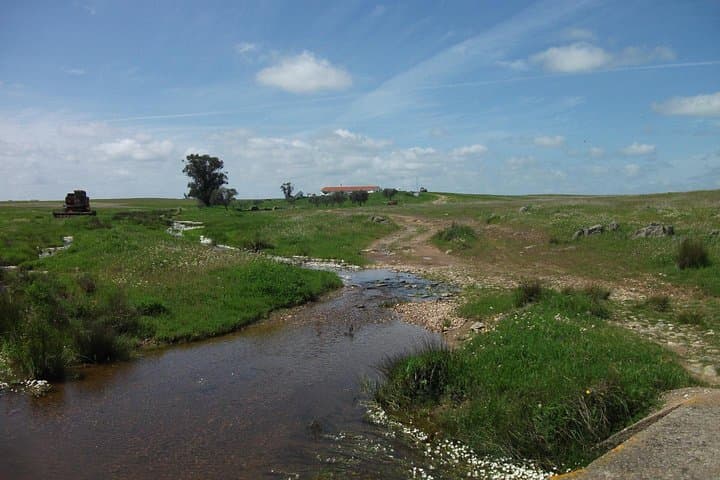
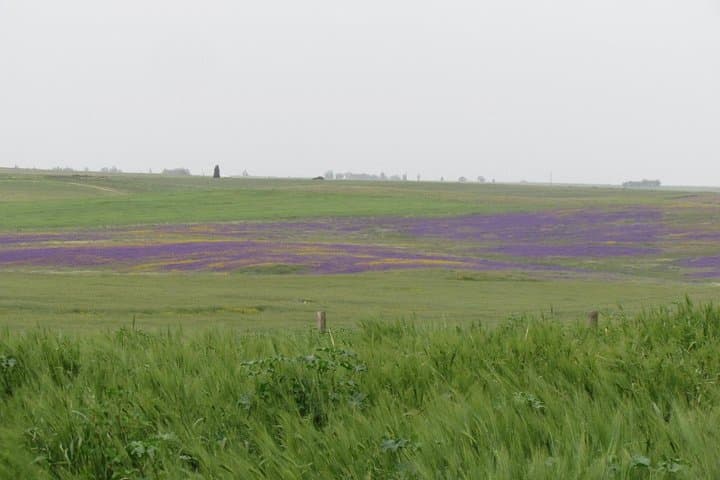
This landscape is shaped by millennia of farming and seasonal fires: a shallow limestone bedrock covered by thin soils that favor steppe grasses. Castro Verde’s communal grazing and crop rotation are cultural practices that helped create the semi-natural grasslands prized by steppic birds. Locals historically shepherded sheep here and the human pattern of land use is part of why bustards still breed in the region.
Expect a day paced by light and bird activity—early drives, roadside hides and a late-afternoon snack at a local restaurant. Practicalities matter: long optics, sun protection and water matter more than speed; most viewing is flat but involves standing and short walks over stony ground. Guides will point out identification features, listen for calls and position scopes to reduce glare.
Respect private fields, keep noise low and follow guide instructions—these birds tolerate only limited disturbance. Photography with long lenses is common but use restraint near nests. The trip suits anyone comfortable spending a full day outdoors and wanting concentrated time with one of Europe’s last steppic bird strongholds.
easy.
12–14 hours.
Able to spend a full day standing, short flat walks, and tolerate long periods of stillness; suitable for most fitness levels.
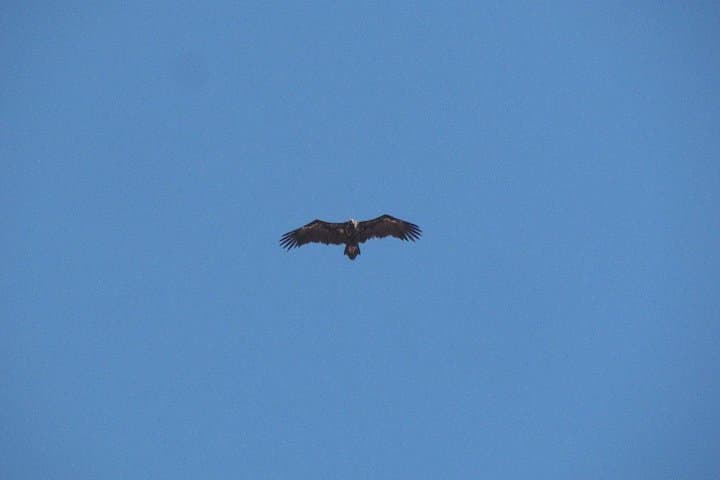
Great and Little Bustards are the prime targets; sandgrouse, calandra larks and other steppic species are commonly seen depending on season.
The tour ends with a snack or light meal at a local restaurant; check the operator’s description for exact inclusions and any dietary requirements.
Private transportation is provided for the full day, moving between roadside hides and viewpoints across the Castro Verde plain.
Yes—this tour is rated easy and suitable for all fitness levels, but expect a long day and periods of quiet standing which may be challenging for very young children.
Castro Verde’s open fields are historically shaped by communal grazing and cereal cultivation, practices that helped maintain the steppic habitat for centuries.
Local conservation efforts focus on sustaining low-intensity farming and preventing shrub encroachment to protect breeding steppic birds; minimize disturbance and stay on tracks.
A Rocha Life operates guided outdoor trips and adventures with an emphasis on safety, stewardship, and memorable experiences.
The morning light in the Alentejo spills across open cereal fields and dry stone walls, and the first calls rise like markers across the plain. On a full-day birdwatching trip around Castro Verde, participants follow private transport to low, wide steppes where Great and Little Bustards strut and sandgrouse quarter the horizon. Telescopes are set up at salt-of-the-earth vantage points; patience and quiet turn distant silhouettes into identifiable shapes.
The morning light in the Alentejo spills across open cereal fields and dry stone walls, and the first calls rise like markers across the plain. On a full-day birdwatching trip around Castro Verde, participants follow private transport to low, wide steppes where Great and Little Bustards strut and sandgrouse quarter the horizon. Telescopes are set up at salt-of-the-earth vantage points; patience and quiet turn distant silhouettes into identifiable shapes.
This landscape is shaped by millennia of farming and seasonal fires: a shallow limestone bedrock covered by thin soils that favor steppe grasses. Castro Verde’s communal grazing and crop rotation are cultural practices that helped create the semi-natural grasslands prized by steppic birds. Locals historically shepherded sheep here and the human pattern of land use is part of why bustards still breed in the region.
Expect a day paced by light and bird activity—early drives, roadside hides and a late-afternoon snack at a local restaurant. Practicalities matter: long optics, sun protection and water matter more than speed; most viewing is flat but involves standing and short walks over stony ground. Guides will point out identification features, listen for calls and position scopes to reduce glare.
Respect private fields, keep noise low and follow guide instructions—these birds tolerate only limited disturbance. Photography with long lenses is common but use restraint near nests. The trip suits anyone comfortable spending a full day outdoors and wanting concentrated time with one of Europe’s last steppic bird strongholds.