THE ADVENTURE COLLECTIVE® · Independent discovery and booking for outdoor travel

A full-day birding loop from Cuenca that pairs the high, lake-studded páramo of Cajas with humid, species-rich tropical forest near Tamarindo. Expect about nine hours of varied habitats, endemic species and a bilingual guide.
A full-day birding loop from Cuenca that pairs the high, lake-studded páramo of Cajas with humid, species-rich tropical forest near Tamarindo. Expect about nine hours of varied habitats, endemic species and a bilingual guide.
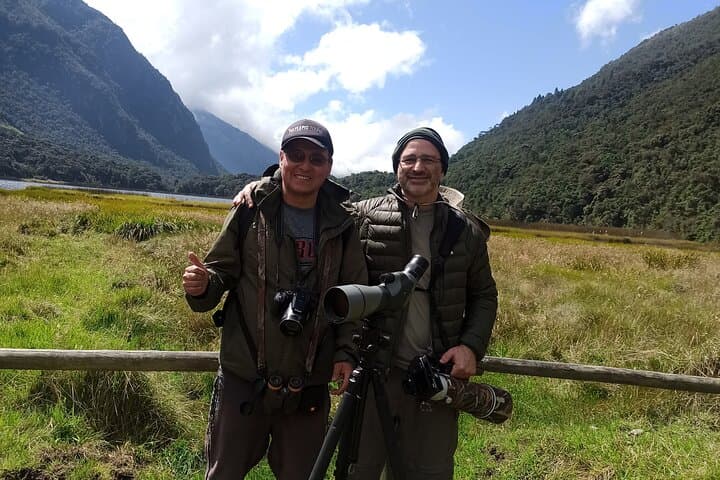
You step out of Cuenca's early light and the air changes—thin, cool, carrying the metallic tang of puna grasses as Cajas' lakes peer back like polished mirrors.
Verified experiences and guided adventures in the surrounding area.
Operated by Polylepis Tours · Cuenca, Azuay
You step out of Cuenca's early light and the air changes—thin, cool, carrying the metallic tang of puna grasses as Cajas' lakes peer back like polished mirrors.
The guide moves with practiced silence, and the landscape answers: high páramo grasses sway, a slate-blue laguna flashes, and a nearby alder grove trembles with flickers of wings. Later, the tour drops you into lowland green where humidity thickens and song becomes dense: tropical understory species call from tangled vines and the river dares you to listen closer.
Cajas National Park, carved from glacial action over millennia, is a high-Andean water reserve that supplies Cuenca and supports specialized páramo flora. The Tamarindo tropical zone belongs to the Tumbesian-Chocó transition—one of Ecuador’s richest bird regions with many southern endemics.
Expect contrasting habitats in a single day: boggy trails and exposed ridgelines in the highlands, then humid forest paths and river edges at lower elevations. Cultural notes: the surrounding highlands carry Cañari and colonial agricultural history; local guides often combine natural history with stories of water rights and traditional land use.
Practical advice: pack layered clothing for temperature swings, bring sturdy, water-resistant footwear for muddy highland trails, and request binoculars in advance if you don't have them. Start early—the most active birding is at first light—and carry snacks and a refillable water bottle for the full nine-hour circuit. Respect quiet viewing practices and your guide’s route to avoid disturbing nesting areas and fragile páramo soils.
moderate.
9 hours.
Moderate fitness required: expect several hours of walking on uneven or muddy trails, with short elevation changes.
The tour is about nine hours with several short hikes and time stopped for viewing—pace is steady but allows for birding pauses and photography.
Binoculars can be provided if requested in advance; bringing your own is recommended for comfort and familiarity.
Children with moderate stamina can participate; the tour requires walking on uneven terrain so travelers with limited mobility may find some sections challenging.
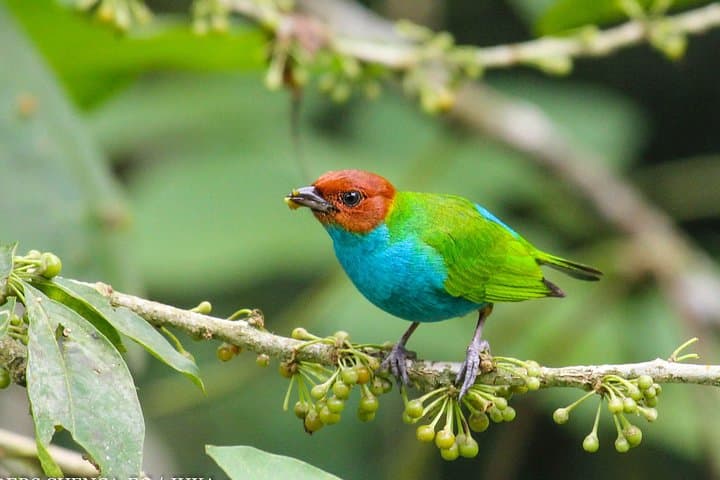
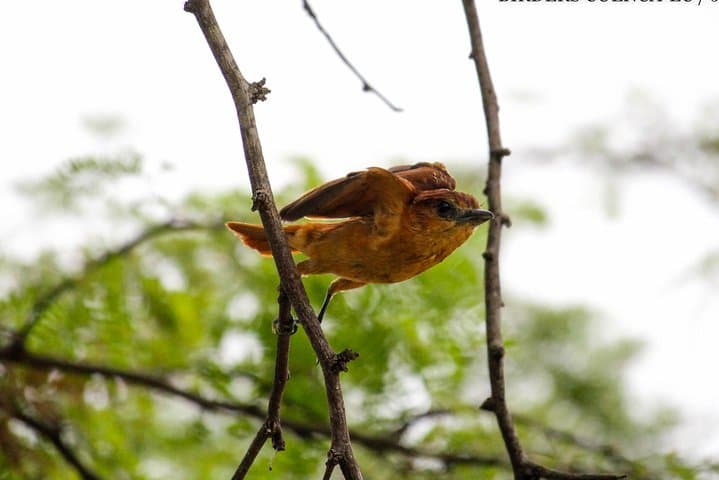
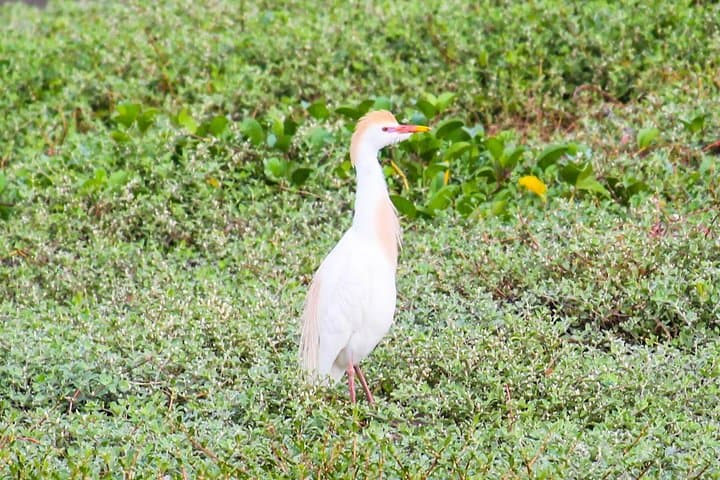
Expect a mix of highland and lowland species including hummingbirds, tanagers, montane forest specialists and a selection of southern endemics characteristic of the Tumbesian-Chocó transition.
Cajas was declared a national park in 1977; its glacially carved lakes and wetlands are key sources for Cuenca and hold cultural importance for local highland communities.
The páramo and coastal forests are ecologically fragile—stay on trails, avoid disturbing wetlands, and minimize single-use plastics to reduce impact.
Polylepis Tours operates guided outdoor trips and adventures with an emphasis on safety, stewardship, and memorable experiences.
You step out of Cuenca's early light and the air changes—thin, cool, carrying the metallic tang of puna grasses as Cajas' lakes peer back like polished mirrors.
You step out of Cuenca's early light and the air changes—thin, cool, carrying the metallic tang of puna grasses as Cajas' lakes peer back like polished mirrors.
The guide moves with practiced silence, and the landscape answers: high páramo grasses sway, a slate-blue laguna flashes, and a nearby alder grove trembles with flickers of wings. Later, the tour drops you into lowland green where humidity thickens and song becomes dense: tropical understory species call from tangled vines and the river dares you to listen closer.
Cajas National Park, carved from glacial action over millennia, is a high-Andean water reserve that supplies Cuenca and supports specialized páramo flora. The Tamarindo tropical zone belongs to the Tumbesian-Chocó transition—one of Ecuador’s richest bird regions with many southern endemics.
Expect contrasting habitats in a single day: boggy trails and exposed ridgelines in the highlands, then humid forest paths and river edges at lower elevations. Cultural notes: the surrounding highlands carry Cañari and colonial agricultural history; local guides often combine natural history with stories of water rights and traditional land use.
Practical advice: pack layered clothing for temperature swings, bring sturdy, water-resistant footwear for muddy highland trails, and request binoculars in advance if you don't have them. Start early—the most active birding is at first light—and carry snacks and a refillable water bottle for the full nine-hour circuit. Respect quiet viewing practices and your guide’s route to avoid disturbing nesting areas and fragile páramo soils.