THE ADVENTURE COLLECTIVE® · Independent discovery and booking for outdoor travel

See thousands of migratory shorebirds on a private jeep safari through Bundala National Park’s Ramsar wetlands. This 3‑hour trip from Tissamaharama focuses on flamingos, sandpipers and lagoon species at dawn.
See thousands of migratory shorebirds on a private jeep safari through Bundala National Park’s Ramsar wetlands. This 3‑hour trip from Tissamaharama focuses on flamingos, sandpipers and lagoon species at dawn.
Dawn spills over shallow lagoons and a thin mist lifts off salt pans as a private safari jeep crunches toward Bundala’s wetlands. Flocks wheel and settle in bronzed light — flamingos bending like living paintbrushes, terns skimming the water, and wary sandpipers probing exposed mudflats. The landscape moves around you: tidal channels carving the shore, thorn scrub brushing the track, and the guide pausing where a reedbed holds a secret.
Verified experiences and guided adventures in the surrounding area.
Operated by Lakpura LLC · Tissamaharama, Southern Province
Dawn spills over shallow lagoons and a thin mist lifts off salt pans as a private safari jeep crunches toward Bundala’s wetlands. Flocks wheel and settle in bronzed light — flamingos bending like living paintbrushes, terns skimming the water, and wary sandpipers probing exposed mudflats. The landscape moves around you: tidal channels carving the shore, thorn scrub brushing the track, and the guide pausing where a reedbed holds a secret.
Bundala is one of Sri Lanka’s internationally recognized Ramsar wetlands, prized for hosting migratory shorebirds between September and March. The park’s mosaic of lagoons, salt flats and scrub supports nearly 200 recorded species, mixing resident endemics like Ceylon junglefowl with long-distance visitors such as greater flamingo and sandpipers. Geologically, Bundala’s flat coastal plain and shallow lagoons are shaped by tidal exchange and seasonal monsoon rains, producing the mudflats and salt pans birds depend on.
Culturally, the area belongs to coastal fishing communities; morning markets and low-roofed villages sit beyond the park boundary. Guides draw on local knowledge — where waders concentrate after tides, which channels hold resting pelicans — so follow their lead to minimize disturbance.
Practically: tours typically last about 3 hours from Tissamaharama in a small private jeep; expect short walks on uneven ground and long periods of observation from the vehicle. Bring binoculars, sun protection, and a lightweight rain layer in the monsoon season. Arrive at first light for the best counts, keep voices low, and let the wetlands do the work: tides, wind and light will reveal the birds.
moderate.
3 hours.
Moderate fitness for short uneven walks and standing during observations; most time is spent seated in the jeep.
Peak migration runs roughly September through March; many shorebirds and large flamingo numbers are most reliable during these months.
This private safari runs about 3 hours from Tissamaharama in a jeep with guide commentary and focused birdwatching stops.
Yes—trips are vehicle-based with optional short, gentle walks; travelers should have moderate mobility and no serious heart issues.
Park entry and vehicle fees are managed locally; confirm with your operator whether fees are included in the tour price.
Bundala is internationally noted as a Ramsar wetland for its importance to migratory waterbirds and coastal biodiversity.
Visitor impact is managed through guided drives and staying on tracks; minimize disturbance by keeping distance, avoiding flash photography, and leaving no trace.
Lakpura LLC operates guided outdoor trips and adventures with an emphasis on safety, stewardship, and memorable experiences.
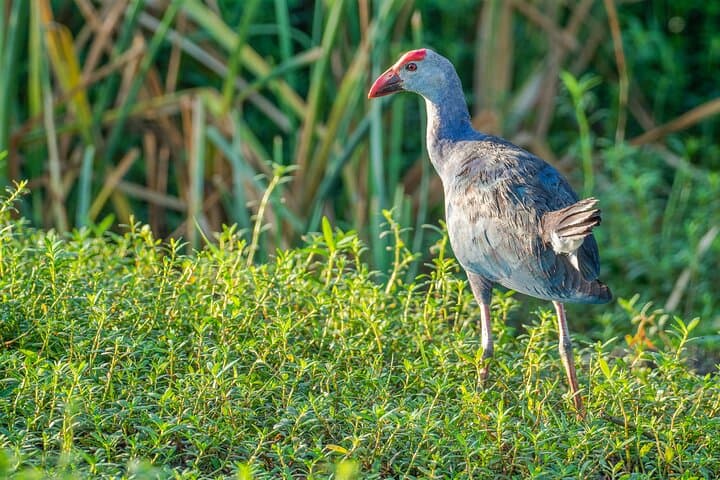
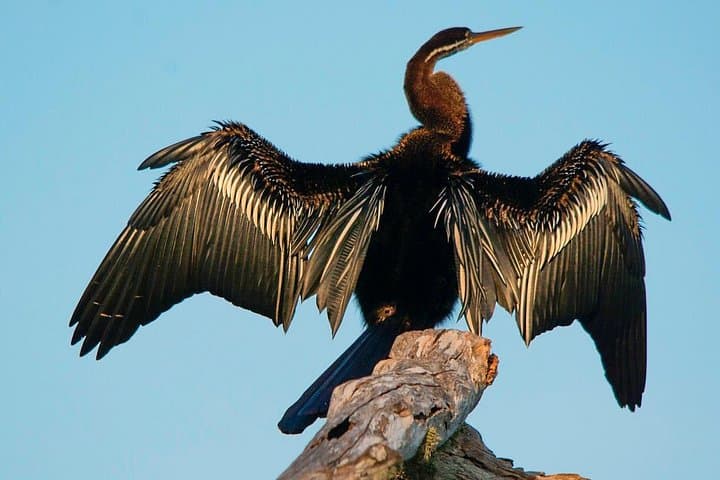
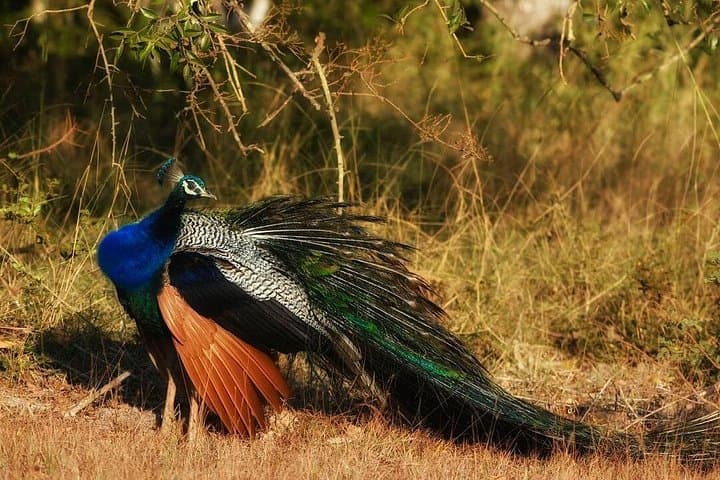
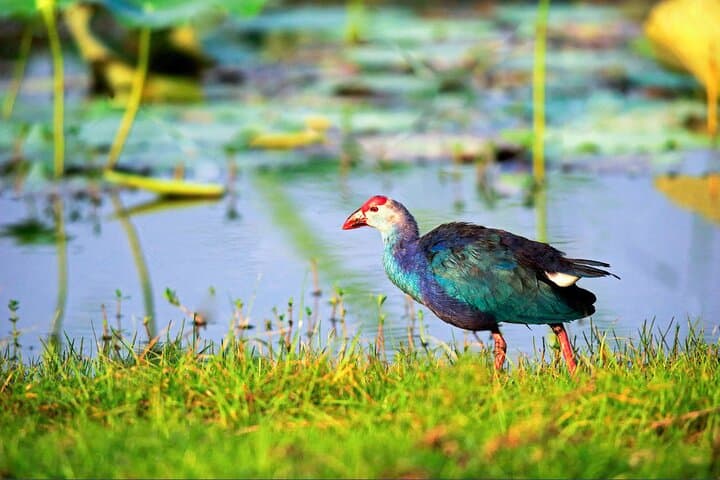
Dawn spills over shallow lagoons and a thin mist lifts off salt pans as a private safari jeep crunches toward Bundala’s wetlands. Flocks wheel and settle in bronzed light — flamingos bending like living paintbrushes, terns skimming the water, and wary sandpipers probing exposed mudflats. The landscape moves around you: tidal channels carving the shore, thorn scrub brushing the track, and the guide pausing where a reedbed holds a secret.
Dawn spills over shallow lagoons and a thin mist lifts off salt pans as a private safari jeep crunches toward Bundala’s wetlands. Flocks wheel and settle in bronzed light — flamingos bending like living paintbrushes, terns skimming the water, and wary sandpipers probing exposed mudflats. The landscape moves around you: tidal channels carving the shore, thorn scrub brushing the track, and the guide pausing where a reedbed holds a secret.
Bundala is one of Sri Lanka’s internationally recognized Ramsar wetlands, prized for hosting migratory shorebirds between September and March. The park’s mosaic of lagoons, salt flats and scrub supports nearly 200 recorded species, mixing resident endemics like Ceylon junglefowl with long-distance visitors such as greater flamingo and sandpipers. Geologically, Bundala’s flat coastal plain and shallow lagoons are shaped by tidal exchange and seasonal monsoon rains, producing the mudflats and salt pans birds depend on.
Culturally, the area belongs to coastal fishing communities; morning markets and low-roofed villages sit beyond the park boundary. Guides draw on local knowledge — where waders concentrate after tides, which channels hold resting pelicans — so follow their lead to minimize disturbance.
Practically: tours typically last about 3 hours from Tissamaharama in a small private jeep; expect short walks on uneven ground and long periods of observation from the vehicle. Bring binoculars, sun protection, and a lightweight rain layer in the monsoon season. Arrive at first light for the best counts, keep voices low, and let the wetlands do the work: tides, wind and light will reveal the birds.