THE ADVENTURE COLLECTIVE® · Independent discovery and booking for outdoor travel

A five-hour ridge walk from Kandy through tea estates and scrubby summits, the Hanthana trek is ideal for birders and hikers who want concentrated hill-country views and cultural stops like the Tea Industry Museum. Expect variable terrain, steady climbs, and excellent morning birding.
A five-hour ridge walk from Kandy through tea estates and scrubby summits, the Hanthana trek is ideal for birders and hikers who want concentrated hill-country views and cultural stops like the Tea Industry Museum. Expect variable terrain, steady climbs, and excellent morning birding.
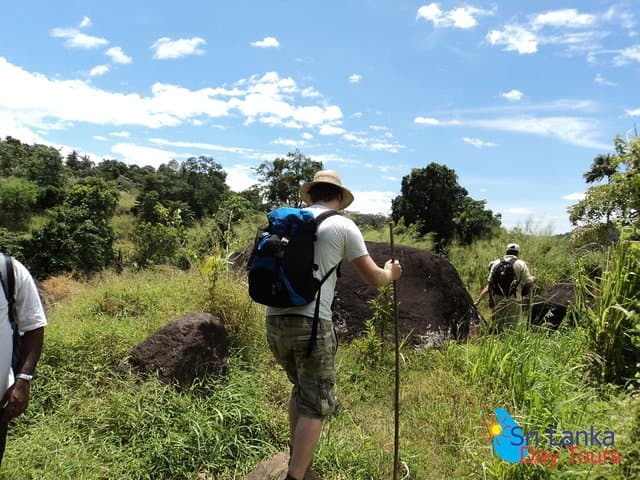
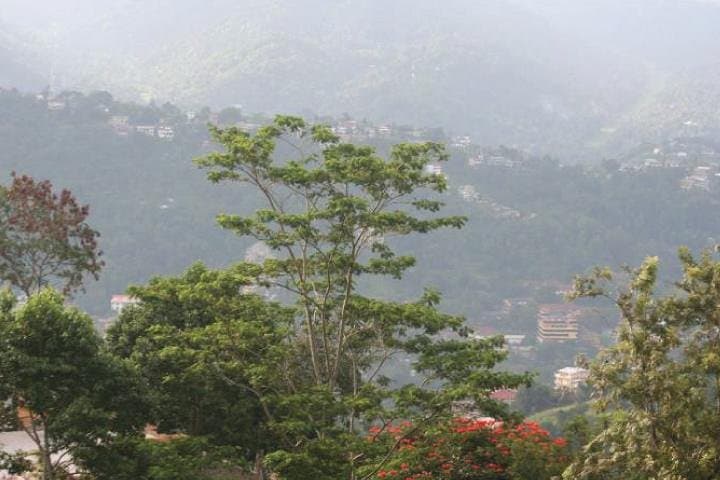
Dawn breaks over the tea terraces outside Kandy and the Hanthana ridgeline slices the sky—sharp folds of green that push the eye toward the city below. You start on faded footpaths between manicured tea rows, the air cool and full of bird song; bulbuls and bulbous warblers call from the understory while raptors wheel above the ridges. The trail climbs and dips, sometimes steeply, giving way to scrub and rocky outcrops where views open to Peradeniya, Galaha and the bowl of Kandy.
Verified experiences and guided adventures in the surrounding area.
Operated by Sri Lanka Day Tours · Kandy, Central Province
Dawn breaks over the tea terraces outside Kandy and the Hanthana ridgeline slices the sky—sharp folds of green that push the eye toward the city below. You start on faded footpaths between manicured tea rows, the air cool and full of bird song; bulbuls and bulbous warblers call from the understory while raptors wheel above the ridges. The trail climbs and dips, sometimes steeply, giving way to scrub and rocky outcrops where views open to Peradeniya, Galaha and the bowl of Kandy.
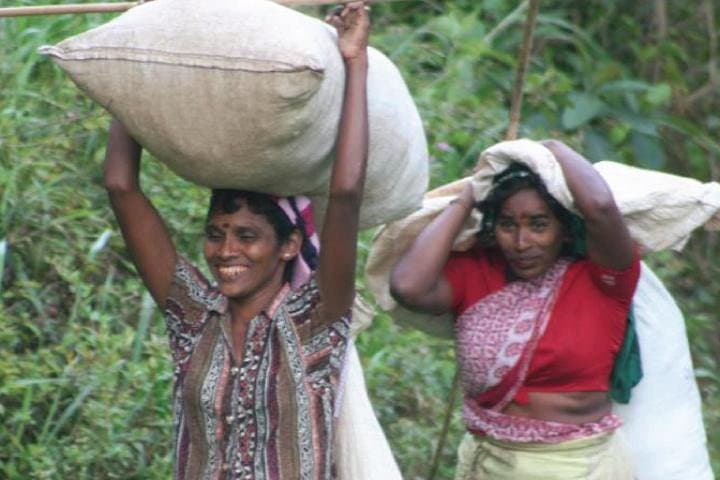
The Hanthana range lies within Sri Lanka’s central highlands, formed on ancient metamorphic rock and shaped by long erosion into compact, steep hills. British-era tea plantations dominate the lower slopes—an industry that reshaped both landscape and local labor patterns; a stop at the Sri Lanka Tea Industry Museum clarifies how colonial infrastructure turned these hills into global tea country. Scattered radio towers near the summits are modern markers of how elevation has been repurposed for communication.
Expect a moderately sustained hike: roughly 8–12 km round-trip over uneven singletrack with cumulative ascent in the several-hundred-meter range. Terrain alternates packed soil, exposed roots and short rock steps; seasoned hikers make steady progress while birders pause frequently. Practical planning matters: start early for the best bird activity, bring rain protection during the monsoons, and wear grippy footwear for slick sections.
Guides commonly point out quiet footpaths that lead back into Kandy, turning a linear ridge walk into a cultural loop through tea estates and small villages. For photographers and birders alike, Hanthana delivers concentrated hill-country character without the long travel of higher, remote peaks.
moderate.
4–5 hours.
Moderate endurance and stable balance for uneven terrain; able to sustain several hours of uphill and downhill hiking.
A moderate fitness level is recommended—able to hike for 4–5 hours with sustained climbs and uneven footing; frequent rests make the route accessible to many.
Expect hill-country species like Sri Lanka white-eyes, endemic bulbuls and warblers; raptors are often seen from the ridgeline.
Many itineraries include a stop at the museum for a short visit; check your booking details to confirm timing and entry arrangements.
Guides are recommended for birding expertise, navigation, and local context; the activity commonly includes a local trekking guide.
The Hanthana hills sit amid central highlands shaped by colonial-era tea planting; the region’s estates and the Tea Industry Museum reflect that economic history.
Stick to paths and avoid trampling understory—tea country supports both cultivated and remnant native habitats; responsible trekking minimizes erosion and disturbance.
Sri Lanka Day Tours operates guided outdoor trips and adventures with an emphasis on safety, stewardship, and memorable experiences.
Dawn breaks over the tea terraces outside Kandy and the Hanthana ridgeline slices the sky—sharp folds of green that push the eye toward the city below. You start on faded footpaths between manicured tea rows, the air cool and full of bird song; bulbuls and bulbous warblers call from the understory while raptors wheel above the ridges. The trail climbs and dips, sometimes steeply, giving way to scrub and rocky outcrops where views open to Peradeniya, Galaha and the bowl of Kandy.
Dawn breaks over the tea terraces outside Kandy and the Hanthana ridgeline slices the sky—sharp folds of green that push the eye toward the city below. You start on faded footpaths between manicured tea rows, the air cool and full of bird song; bulbuls and bulbous warblers call from the understory while raptors wheel above the ridges. The trail climbs and dips, sometimes steeply, giving way to scrub and rocky outcrops where views open to Peradeniya, Galaha and the bowl of Kandy.
The Hanthana range lies within Sri Lanka’s central highlands, formed on ancient metamorphic rock and shaped by long erosion into compact, steep hills. British-era tea plantations dominate the lower slopes—an industry that reshaped both landscape and local labor patterns; a stop at the Sri Lanka Tea Industry Museum clarifies how colonial infrastructure turned these hills into global tea country. Scattered radio towers near the summits are modern markers of how elevation has been repurposed for communication.
Expect a moderately sustained hike: roughly 8–12 km round-trip over uneven singletrack with cumulative ascent in the several-hundred-meter range. Terrain alternates packed soil, exposed roots and short rock steps; seasoned hikers make steady progress while birders pause frequently. Practical planning matters: start early for the best bird activity, bring rain protection during the monsoons, and wear grippy footwear for slick sections.
Guides commonly point out quiet footpaths that lead back into Kandy, turning a linear ridge walk into a cultural loop through tea estates and small villages. For photographers and birders alike, Hanthana delivers concentrated hill-country character without the long travel of higher, remote peaks.