THE ADVENTURE COLLECTIVE® · Independent discovery and booking for outdoor travel

Trace Mayan footpaths through forest and mangrove to watch motmots, jays and coastal wetland species at Muyil. This six-hour, low-impact birding tour blends archaeology with the protected channels of Sian Ka'an.
Trace Mayan footpaths through forest and mangrove to watch motmots, jays and coastal wetland species at Muyil. This six-hour, low-impact birding tour blends archaeology with the protected channels of Sian Ka'an.
A low morning sun lights the limestone path as the guide leads the group beneath broad-leaved ceiba and fig trees. Birdsong threads through mangrove channels and the stone outlines of an ancient Maya plaza stand cool and silent to one side. Here, at Muyil — the doorway to Sian Ka'an — birdwatching becomes both natural history and human history in a single walk.
Verified experiences and guided adventures in the surrounding area.
Operated by Gills Bioexperiences · Tulum, Quintana Roo
A low morning sun lights the limestone path as the guide leads the group beneath broad-leaved ceiba and fig trees. Birdsong threads through mangrove channels and the stone outlines of an ancient Maya plaza stand cool and silent to one side. Here, at Muyil — the doorway to Sian Ka'an — birdwatching becomes both natural history and human history in a single walk.
Muyil grew as a coastal trade and settlement site linked to the lagoon and channels that feed the Caribbean. The ruins sit on flat, fossilized coral and alluvial soil; trails cross mangrove fringes, freshwater channels and shaded secondary forest. That geology supports a mix of coastal and inland species: motmots and trogons favor the forest interior while herons and kingfishers hunt the lagoon edges.
Culturally, Muyil was part of trade routes that carried goods and ideas down the coast; today conservation priorities balance visitor access with the Sian Ka'an Biosphere Reserve's protections. Expect low-impact tourism: quiet walking, attentive guides, and a chance to see endemic birds like the Turquoise-crowned Motmot and Yucatan Jay alongside migratory warblers.
Practical guidance: this is a roughly six-hour, mostly flat outing over dirt paths and boardwalks — moderate fitness recommended. Bring binoculars, insect repellent, sun protection and a shallow pack for water and layers. Guides typically include coffee and a traditional Mexican lunch, and tours follow weather rules to protect both visitors and fragile habitats. Move slowly, scan canopy edges, and let the marsh and ruins reveal their resident and passing winged neighbors.
moderate.
6 hours.
Moderate—able to walk 3–6 miles on flat but sometimes muddy trails, with short periods standing quietly.
The tour is approximately six hours and rated moderate—mostly flat walking with occasional standing to observe birds.
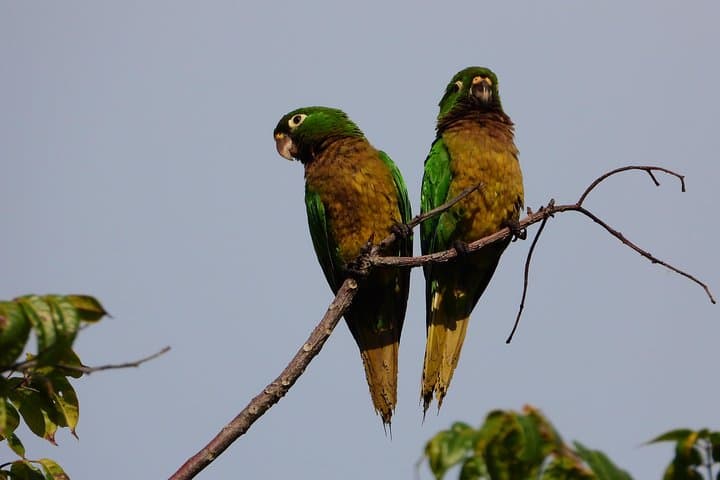
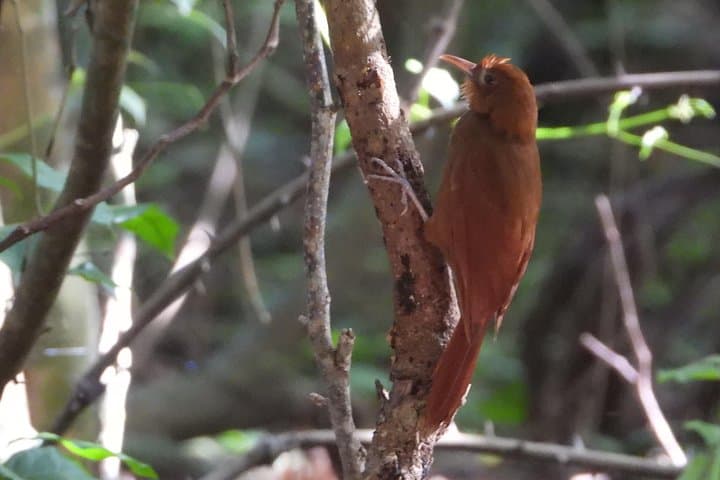
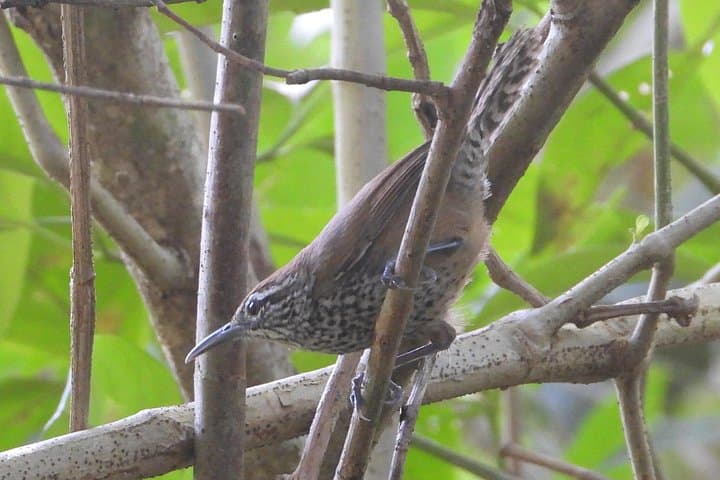
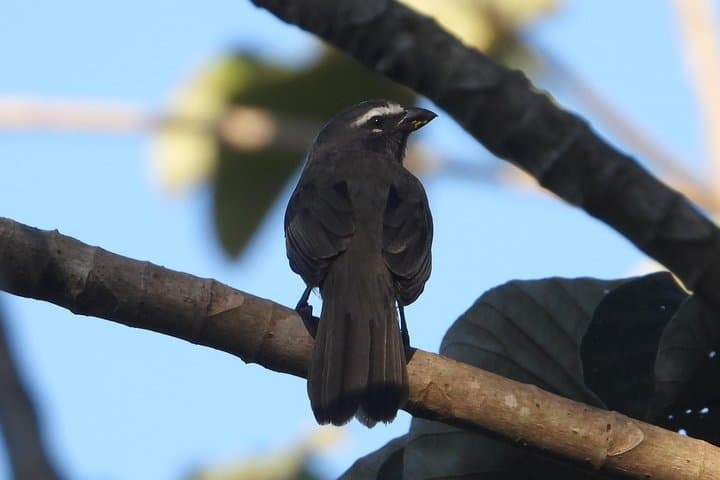
Expect regional species such as Turquoise-crowned Motmot, Yucatan Jay, trogons, kingfishers, and various waders and migratory warblers depending on season.
Yes if they have moderate mobility; the operator notes it is not recommended for people with serious spinal or heart conditions or for pregnant guests.
Tours follow a weather cancellation policy; if conditions are unsafe the operator may cancel and offer a full refund if at least 24 hours' notice applies.
Muyil was an important coastal Maya settlement connected to inland trade routes and the Sian Ka'an waterways during the Classic era.
Muyil lies on the edge of the Sian Ka'an Biosphere Reserve; low-impact tourism and guided visits help protect fragile mangrove and lagoon habitats.
Gills Bioexperiences operates guided outdoor trips and adventures with an emphasis on safety, stewardship, and memorable experiences.
A low morning sun lights the limestone path as the guide leads the group beneath broad-leaved ceiba and fig trees. Birdsong threads through mangrove channels and the stone outlines of an ancient Maya plaza stand cool and silent to one side. Here, at Muyil — the doorway to Sian Ka'an — birdwatching becomes both natural history and human history in a single walk.
A low morning sun lights the limestone path as the guide leads the group beneath broad-leaved ceiba and fig trees. Birdsong threads through mangrove channels and the stone outlines of an ancient Maya plaza stand cool and silent to one side. Here, at Muyil — the doorway to Sian Ka'an — birdwatching becomes both natural history and human history in a single walk.
Muyil grew as a coastal trade and settlement site linked to the lagoon and channels that feed the Caribbean. The ruins sit on flat, fossilized coral and alluvial soil; trails cross mangrove fringes, freshwater channels and shaded secondary forest. That geology supports a mix of coastal and inland species: motmots and trogons favor the forest interior while herons and kingfishers hunt the lagoon edges.
Culturally, Muyil was part of trade routes that carried goods and ideas down the coast; today conservation priorities balance visitor access with the Sian Ka'an Biosphere Reserve's protections. Expect low-impact tourism: quiet walking, attentive guides, and a chance to see endemic birds like the Turquoise-crowned Motmot and Yucatan Jay alongside migratory warblers.
Practical guidance: this is a roughly six-hour, mostly flat outing over dirt paths and boardwalks — moderate fitness recommended. Bring binoculars, insect repellent, sun protection and a shallow pack for water and layers. Guides typically include coffee and a traditional Mexican lunch, and tours follow weather rules to protect both visitors and fragile habitats. Move slowly, scan canopy edges, and let the marsh and ruins reveal their resident and passing winged neighbors.