THE ADVENTURE COLLECTIVE® · Independent discovery and booking for outdoor travel

Start before sunrise and watch reedbeds come alive on a private, guided 3-hour birdwatching tour in the Carpathian Delta near Brașov. Expect bitterns, herons, black storks and concentrated waterfowl in a compact protected wetland.
Start before sunrise and watch reedbeds come alive on a private, guided 3-hour birdwatching tour in the Carpathian Delta near Brașov. Expect bitterns, herons, black storks and concentrated waterfowl in a compact protected wetland.
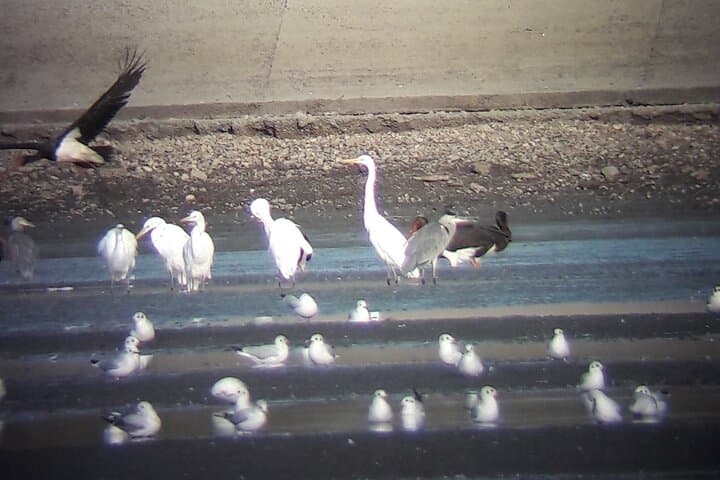
Fog lifts off the reed beds as the minivan eases onto a narrow service road—your guide scans the horizon, and the first white flashes of egret wings puncture the morning light.
Verified experiences and guided adventures in the surrounding area.
Operated by Geographical Transylvania · Brașov, Brașov County
Fog lifts off the reed beds as the minivan eases onto a narrow service road—your guide scans the horizon, and the first white flashes of egret wings puncture the morning light.
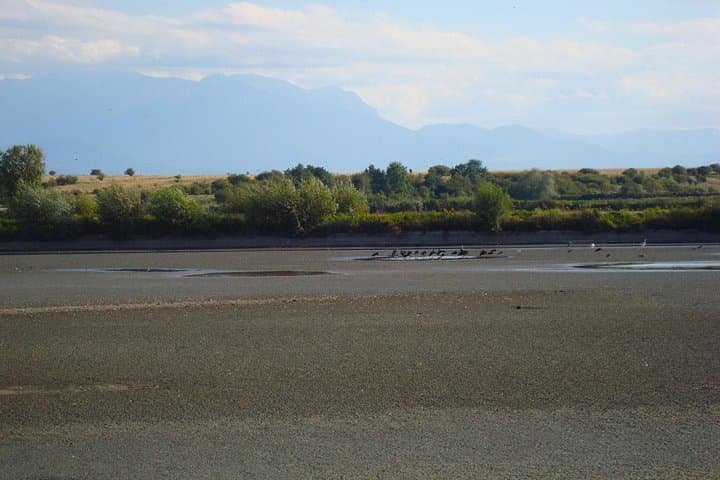
This compact 415-hectare “Carpathian Delta” north of Brașov contains marsh, stream, peat bog and farmland in close succession, a patchwork that concentrates waterfowl and waders. Geologically it’s a lowland outwash formed by valley-fed streams and peat accumulation; culturally the wetlands have fed local villages and shaped seasonal grazing and reed-cutting traditions for generations.
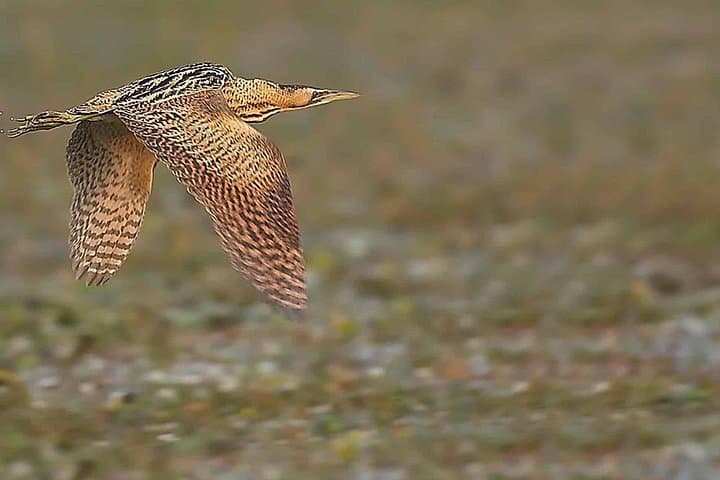
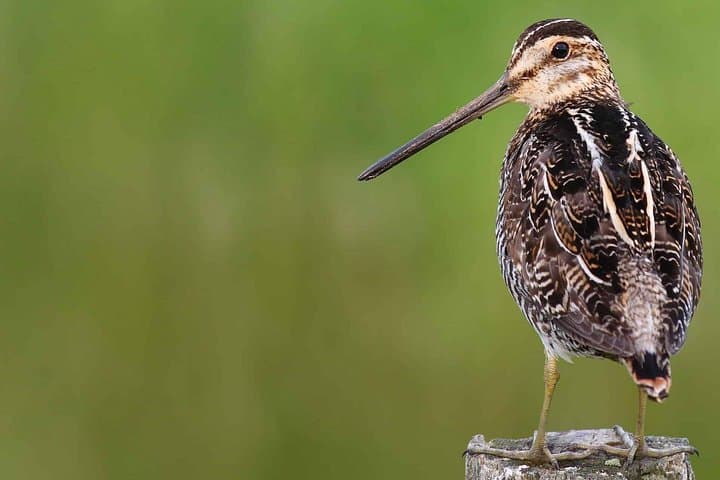
Expect to encounter more than 200 bird species here: Eurasian Bitterns grunting from reed cloaks, stately Purple Herons probing shallow pools, and flocks of Greater White-fronted Geese lifting in nervous skeins. Black Storks—less tolerant of disturbance than white storks—are a highlight in the canopy along quieter back channels.
Practical rhythm: the tour is typically scheduled for dawn (07:30–10:00) or evening (18:00–20:30) in summer, when feeding activity peaks. Walks are short and shore-parallel; terrain is flat but can be muddy, so a steady pair of walking shoes matters more than stamina.
The outing is private, guide-led, and supplied with binoculars and a basic bird identifier; photographers should bring long lenses. Hydration, layered clothing for sudden chill, and respectful distance from nests are the essentials. The guide’s local knowledge is the real multiplier—knowing where bitterns call or where a quiet oxbow holds roosting egrets turns a list of names into a living, readable landscape.
easy.
3 hours.
Suitable for all fitness levels; involves short, gentle walks on uneven or muddy shore paths
Yes—basic binoculars and a bird identifier are provided, though participants may bring their own optics for higher quality views.
The wetland reserve lies approximately 25 km north of Brașov and the tour includes private minivan transport from agreed pickup points.
Absolutely; the experience is suitable for all fitness levels and the guide tailors commentary to both novices and experienced birders.
Some species can be photographed from hides or shorelines but many birds are wary—bring a long lens and rely on the guide’s locations for the best shots.
The wetlands have long supported local agriculture and reed-harvesting; recent protection measures date to regional conservation initiatives in the late 20th century.
This protected area is sensitive to disturbance and hydrological change—visitors should stay on paths and follow guide instructions to minimize impact.
Geographical Transylvania operates guided outdoor trips and adventures with an emphasis on safety, stewardship, and memorable experiences.
Fog lifts off the reed beds as the minivan eases onto a narrow service road—your guide scans the horizon, and the first white flashes of egret wings puncture the morning light.
Fog lifts off the reed beds as the minivan eases onto a narrow service road—your guide scans the horizon, and the first white flashes of egret wings puncture the morning light.
This compact 415-hectare “Carpathian Delta” north of Brașov contains marsh, stream, peat bog and farmland in close succession, a patchwork that concentrates waterfowl and waders. Geologically it’s a lowland outwash formed by valley-fed streams and peat accumulation; culturally the wetlands have fed local villages and shaped seasonal grazing and reed-cutting traditions for generations.
Expect to encounter more than 200 bird species here: Eurasian Bitterns grunting from reed cloaks, stately Purple Herons probing shallow pools, and flocks of Greater White-fronted Geese lifting in nervous skeins. Black Storks—less tolerant of disturbance than white storks—are a highlight in the canopy along quieter back channels.
Practical rhythm: the tour is typically scheduled for dawn (07:30–10:00) or evening (18:00–20:30) in summer, when feeding activity peaks. Walks are short and shore-parallel; terrain is flat but can be muddy, so a steady pair of walking shoes matters more than stamina.
The outing is private, guide-led, and supplied with binoculars and a basic bird identifier; photographers should bring long lenses. Hydration, layered clothing for sudden chill, and respectful distance from nests are the essentials. The guide’s local knowledge is the real multiplier—knowing where bitterns call or where a quiet oxbow holds roosting egrets turns a list of names into a living, readable landscape.