THE ADVENTURE COLLECTIVE® · Independent discovery and booking for outdoor travel

A brisk half-day that follows Rano Kau’s rim to the ceremonial village of Orongo—where volcanic geology meets the Birdman cult—this tour pairs dramatic coastal views with archaeological highlights and practical, easy walking.
A brisk half-day that follows Rano Kau’s rim to the ceremonial village of Orongo—where volcanic geology meets the Birdman cult—this tour pairs dramatic coastal views with archaeological highlights and practical, easy walking.
You step out of Hanga Roa into a wind that seems to push you toward the cliff: the Pacific rolls in low and insistent, daring you to keep pace. The minivan eases past scattered houses, then the road opens to shale and scrub; across the rim, Rano Kau’s crater yawns, its lake like an old eye looking inland.
Verified experiences and guided adventures in the surrounding area.
Operated by RipioTurismo · Hanga Roa, Valparaíso Region
You step out of Hanga Roa into a wind that seems to push you toward the cliff: the Pacific rolls in low and insistent, daring you to keep pace. The minivan eases past scattered houses, then the road opens to shale and scrub; across the rim, Rano Kau’s crater yawns, its lake like an old eye looking inland.
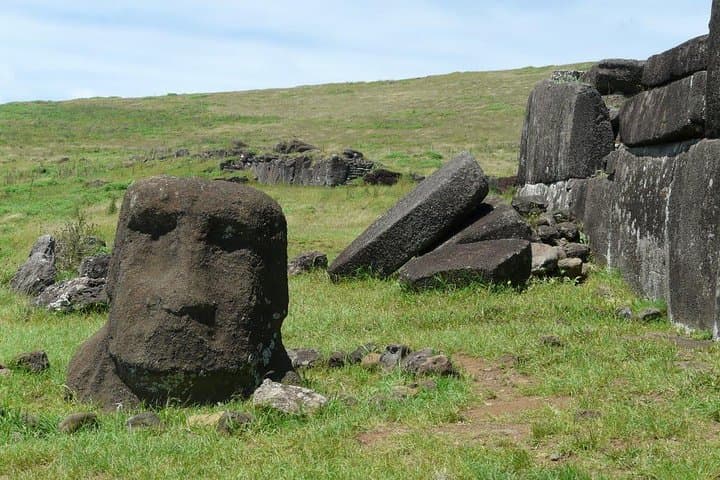
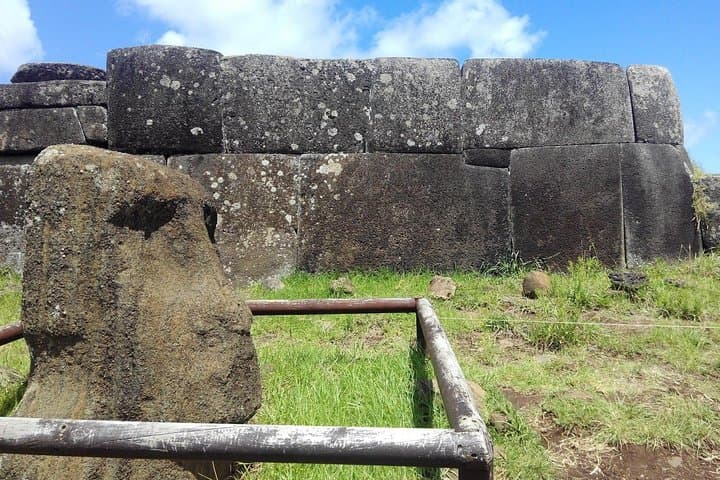
The Birdman Journey follows a route folded into the island’s volcanic past and human ceremony. Rano Kau is the remnant of one of Rapa Nui’s explosive eruptions; its steep caldera and freshwater basin frame Orongo, the stone village where the Tangata Manu—or Birdman—competition once chose yearly leaders. Ahu Vinapu’s sharply fitted stonework shows a different masonry tradition, likely reflecting contact and skill transmission across Polynesia.
Guides point out petroglyph panels and the sculpted ahu while describing how competitors braved surf and sea cliffs to retrieve sooty tern eggs on Motu Nui. The wind at Orongo feels like an interlocutor—sharp, insistently alive—making every petroglyph and viewpoint more immediate.
Practical notes: the tour is 3–4 hours with pickup from Hanga Roa. Trails are compacted dirt and volcanic rock with short steep sections—good walking shoes and sun protection are essential. Bring water, a wind layer, and a camera with a secure strap; cliffs have no guardrails. Expect bilingual commentary in Spanish and English and confirm whether the Rapa Nui National Park entrance fee is included. Aim for morning departures for softer light and lighter winds.
moderate.
3–4 hours.
Suitable for travelers in light to moderate shape; involves short steep sections and uneven ground
Policies vary by operator—confirm at booking. The park fee is commonly required for archaeological sites and may be collected separately.
The route involves short steep sections and uneven volcanic rock but is rated accessible to most fitness levels; children and less-mobile guests should check with the guide.
This tour offers bilingual guiding in Spanish and/or English as stated in the itinerary.
Pickup from Hanga Roa accommodations is included; outside the town center may require a short walk to a meeting point—confirm when booking.
Orongo was the ceremonial center of the Tangata Manu (Birdman) cult from the 18th–19th centuries; the stone houses and petroglyphs record that ritualized competition and sea voyages.
Rapa Nui’s archaeological sites are vulnerable to erosion and visitor impact; stay on trails and support park fees that fund conservation and local stewardship.
RipioTurismo operates guided outdoor trips and adventures with an emphasis on safety, stewardship, and memorable experiences.
You step out of Hanga Roa into a wind that seems to push you toward the cliff: the Pacific rolls in low and insistent, daring you to keep pace. The minivan eases past scattered houses, then the road opens to shale and scrub; across the rim, Rano Kau’s crater yawns, its lake like an old eye looking inland.
You step out of Hanga Roa into a wind that seems to push you toward the cliff: the Pacific rolls in low and insistent, daring you to keep pace. The minivan eases past scattered houses, then the road opens to shale and scrub; across the rim, Rano Kau’s crater yawns, its lake like an old eye looking inland.
The Birdman Journey follows a route folded into the island’s volcanic past and human ceremony. Rano Kau is the remnant of one of Rapa Nui’s explosive eruptions; its steep caldera and freshwater basin frame Orongo, the stone village where the Tangata Manu—or Birdman—competition once chose yearly leaders. Ahu Vinapu’s sharply fitted stonework shows a different masonry tradition, likely reflecting contact and skill transmission across Polynesia.
Guides point out petroglyph panels and the sculpted ahu while describing how competitors braved surf and sea cliffs to retrieve sooty tern eggs on Motu Nui. The wind at Orongo feels like an interlocutor—sharp, insistently alive—making every petroglyph and viewpoint more immediate.
Practical notes: the tour is 3–4 hours with pickup from Hanga Roa. Trails are compacted dirt and volcanic rock with short steep sections—good walking shoes and sun protection are essential. Bring water, a wind layer, and a camera with a secure strap; cliffs have no guardrails. Expect bilingual commentary in Spanish and English and confirm whether the Rapa Nui National Park entrance fee is included. Aim for morning departures for softer light and lighter winds.