THE ADVENTURE COLLECTIVE® · Independent discovery and booking for outdoor travel

An eight-day guided circuit that pairs high-elevation rainforest birding in Namdapha with Mishmi Hills ridge walks and boat-based wetland watching in Dibru Saikhowa. Expect jungle camps, early-morning stakes for hornbills, and a country-boat dawn on Maguri beel.
An eight-day guided circuit that pairs high-elevation rainforest birding in Namdapha with Mishmi Hills ridge walks and boat-based wetland watching in Dibru Saikhowa. Expect jungle camps, early-morning stakes for hornbills, and a country-boat dawn on Maguri beel.
You step out of the vehicle into humid air thick with insect-song and the distant caw of hornbills, the Mishmi hills climbing green and steep ahead while the Brahmaputra spreads low and wide to the west.
Verified experiences and guided adventures in the surrounding area.
Operated by Avani Travel Services · Dibrugarh, Assam
You step out of the vehicle into humid air thick with insect-song and the distant caw of hornbills, the Mishmi hills climbing green and steep ahead while the Brahmaputra spreads low and wide to the west.
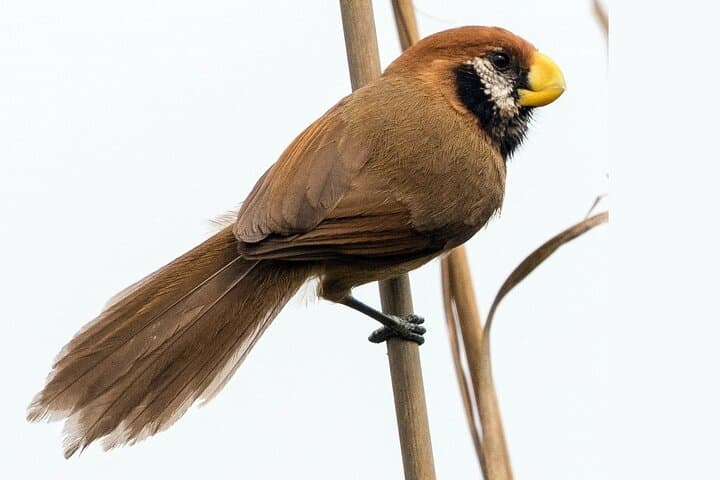
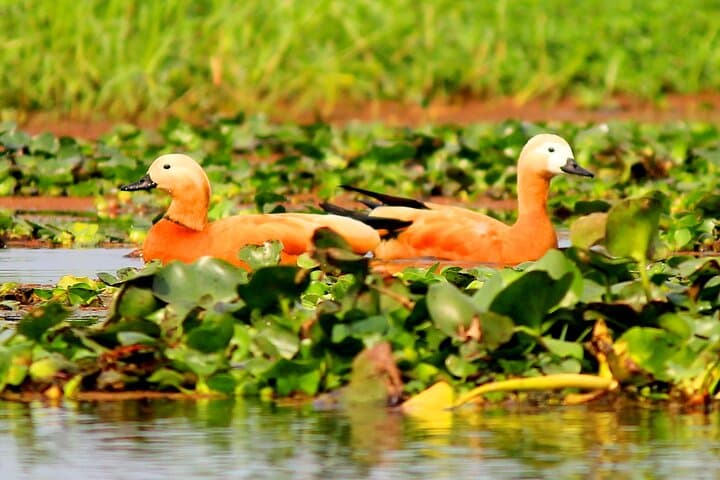
This eight-day itinerary threads three very different birding landscapes: the eastern Himalayan foothills of Namdapha, the mist-keeled ridges of the Mishmi Hills around Roing, and the riverine grasslands and oxbow lakes of Dibru Saikhowa on the Brahmaputra floodplain. Namdapha’s rainforests run to very high elevations and hold many endemic and Himalayan foothill species; the Mishmi zone mixes subtropical forest with steep valleys; Dibru Saikhowa is a wetland mosaic—beels, tall grass and braided channels—ideal for waterfowl and raptors.
Local culture is woven through the route: small towns like Miao and Roing are basecamps for tribal communities such as the Mishmi, and you’ll pass the Golden Pagoda at Namsai, a visual marker of the region’s Buddhist influences. Geologically, this is the rising front of the eastern Himalaya—folded, young ranges feeding sediment into the Brahmaputra system.
Practical notes: expect early starts, guided forest treks, jungle-camp nights, and a country-boat dawn on Maguri beel. Trails can be muddy and steep; carry waterproof layers, good binoculars and local currency for small purchases. Respect park rules and keep noise low to increase sighting chances. With reasonable fitness and patience, this route delivers some of India’s richest, least-disturbed birding.
moderate.
8 days.
Moderate fitness: comfortable with multi-hour walks on uneven, sometimes steep or muddy trails and short boat rides.
Late winter to early spring (November–April) is generally drier and offers good visibility and breeding plumages; monsoon months bring heavy rain and access issues.
Trails range from gentle riverside walks to steeper, muddy forest tracks; guides will tailor routes but be prepared for sustained walking at low to mid elevations.
Yes—entry permits and Arunachal Pradesh inner-line permits are required; this tour includes handling regional entry fees but carry ID and passport details as requested.
High potential: the region holds many specialties like hornbills and several endemic foothill species, but sightings depend on season, weather and patience.
This corridor links Assam riverine plains with Arunachal’s tribal lands; long-standing trade and cultural ties shaped small hill towns and pagodas along old routes.
Pressure from logging, tea expansion and riverine change threatens habitats; low-impact travel, staying on trails and following guide instructions help minimize disturbance.
Avani Travel Services operates guided outdoor trips and adventures with an emphasis on safety, stewardship, and memorable experiences.
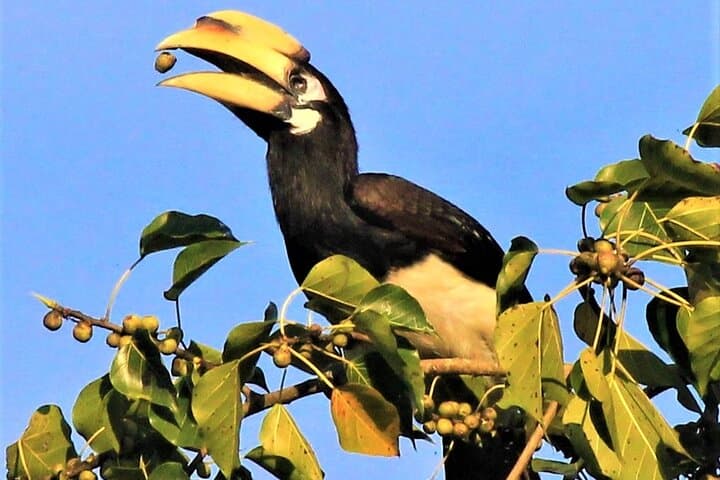

You step out of the vehicle into humid air thick with insect-song and the distant caw of hornbills, the Mishmi hills climbing green and steep ahead while the Brahmaputra spreads low and wide to the west.
You step out of the vehicle into humid air thick with insect-song and the distant caw of hornbills, the Mishmi hills climbing green and steep ahead while the Brahmaputra spreads low and wide to the west.
This eight-day itinerary threads three very different birding landscapes: the eastern Himalayan foothills of Namdapha, the mist-keeled ridges of the Mishmi Hills around Roing, and the riverine grasslands and oxbow lakes of Dibru Saikhowa on the Brahmaputra floodplain. Namdapha’s rainforests run to very high elevations and hold many endemic and Himalayan foothill species; the Mishmi zone mixes subtropical forest with steep valleys; Dibru Saikhowa is a wetland mosaic—beels, tall grass and braided channels—ideal for waterfowl and raptors.
Local culture is woven through the route: small towns like Miao and Roing are basecamps for tribal communities such as the Mishmi, and you’ll pass the Golden Pagoda at Namsai, a visual marker of the region’s Buddhist influences. Geologically, this is the rising front of the eastern Himalaya—folded, young ranges feeding sediment into the Brahmaputra system.
Practical notes: expect early starts, guided forest treks, jungle-camp nights, and a country-boat dawn on Maguri beel. Trails can be muddy and steep; carry waterproof layers, good binoculars and local currency for small purchases. Respect park rules and keep noise low to increase sighting chances. With reasonable fitness and patience, this route delivers some of India’s richest, least-disturbed birding.