THE ADVENTURE COLLECTIVE® · Independent discovery and booking for outdoor travel

Go early into the quieter Madi side of Chitwan National Park for close encounters with pheasants, waterfowl and reed specialists. This two-day Jeep-backed birding route favors patient observers and local guides who know where the fruiting trees and oxbow lakes concentrate birds.
Go early into the quieter Madi side of Chitwan National Park for close encounters with pheasants, waterfowl and reed specialists. This two-day Jeep-backed birding route favors patient observers and local guides who know where the fruiting trees and oxbow lakes concentrate birds.
Dawn arrives slow and humid behind the sal forests as a Jeep rumbles off the main track and into quieter territory. Mist lifts from river bends; reeds and fruiting trees are already full of movement. On this side of Chitwan, the forest feels deliberate—alive with small, sharp calls, the flush of pheasants through undergrowth, and geese skimming low over oxbow lakes.
Verified experiences and guided adventures in the surrounding area.
Operated by Shanta Ghar Resort · Madi, Bagmati Province
Dawn arrives slow and humid behind the sal forests as a Jeep rumbles off the main track and into quieter territory. Mist lifts from river bends; reeds and fruiting trees are already full of movement. On this side of Chitwan, the forest feels deliberate—alive with small, sharp calls, the flush of pheasants through undergrowth, and geese skimming low over oxbow lakes.
Chitwan National Park, established in 1973 and named a UNESCO World Heritage Site in 1984, sits on the low Terai plain where alluvial soils feed broad river systems. That geology creates shifting oxbows, wet grasslands and dense sal-dipterocarp stands—habitats for a bird list approaching 576 species recorded in the park. The human culture here is closely tied to riverine agriculture and Tharu communities who have long read seasonal patterns in the birds and fish.
Practically, expect long stretches on dirt roads, short walks into thickets, and patient stops at river edges. Birding is best at first light and late afternoon; bring focused optics and a field guide. Local drivers and guides know microhabitats—fruiting trees, reed beds, and sandbars—where specialty species like Bengal florican or Koklass pheasant show. Water will dare you to cool off at the riverbanks; mosquitoes will test your patience.
Plan for warm, humid conditions, flexible entry hours that follow park regulations, and respect for wildlife distances. Pack sun protection, layered light clothing, and enough water and snacks for multi-hour stakeouts. With quiet patience, this less-traveled flank of Chitwan rewards steady observers with rare sightings and a clearer sense of the park’s living landscape.
easy.
48 hours (approx.).
Suitable for anyone in light to moderate physical condition; involves short walks and time seated in Jeep.
The listed itinerary runs roughly 48 hours and is arranged around early-morning and late-afternoon birding windows; actual timing follows park entry rules.
Specialized species are seasonal and habitat-dependent—local guides take you to likely microhabitats, but sightings are not guaranteed.
Yes; the activity is physically easy, but bring sun and insect protection and check park rules on child safety and seating in vehicles.
Park entry and timing are regulated—authorized operators handle permits and will advise you on required ID and schedule windows.
Chitwan National Park was Nepal’s first national park (1973) and gained UNESCO World Heritage status in 1984 for its lowland Terai ecosystems and biodiversity.
Park management combines government protection with community-based programs; visitors reduce impact by staying on tracks, hiring registered guides, and avoiding single-use plastics.
Shanta Ghar Resort operates guided outdoor trips and adventures with an emphasis on safety, stewardship, and memorable experiences.
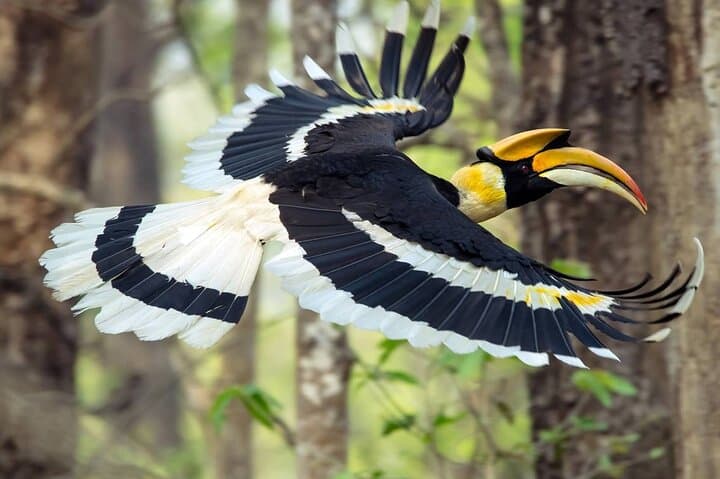
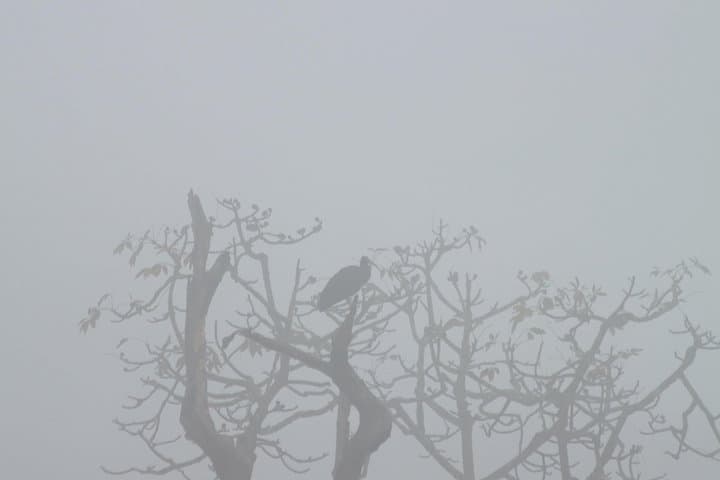


Dawn arrives slow and humid behind the sal forests as a Jeep rumbles off the main track and into quieter territory. Mist lifts from river bends; reeds and fruiting trees are already full of movement. On this side of Chitwan, the forest feels deliberate—alive with small, sharp calls, the flush of pheasants through undergrowth, and geese skimming low over oxbow lakes.
Dawn arrives slow and humid behind the sal forests as a Jeep rumbles off the main track and into quieter territory. Mist lifts from river bends; reeds and fruiting trees are already full of movement. On this side of Chitwan, the forest feels deliberate—alive with small, sharp calls, the flush of pheasants through undergrowth, and geese skimming low over oxbow lakes.
Chitwan National Park, established in 1973 and named a UNESCO World Heritage Site in 1984, sits on the low Terai plain where alluvial soils feed broad river systems. That geology creates shifting oxbows, wet grasslands and dense sal-dipterocarp stands—habitats for a bird list approaching 576 species recorded in the park. The human culture here is closely tied to riverine agriculture and Tharu communities who have long read seasonal patterns in the birds and fish.
Practically, expect long stretches on dirt roads, short walks into thickets, and patient stops at river edges. Birding is best at first light and late afternoon; bring focused optics and a field guide. Local drivers and guides know microhabitats—fruiting trees, reed beds, and sandbars—where specialty species like Bengal florican or Koklass pheasant show. Water will dare you to cool off at the riverbanks; mosquitoes will test your patience.
Plan for warm, humid conditions, flexible entry hours that follow park regulations, and respect for wildlife distances. Pack sun protection, layered light clothing, and enough water and snacks for multi-hour stakeouts. With quiet patience, this less-traveled flank of Chitwan rewards steady observers with rare sightings and a clearer sense of the park’s living landscape.