THE ADVENTURE COLLECTIVE® · Independent discovery and booking for outdoor travel

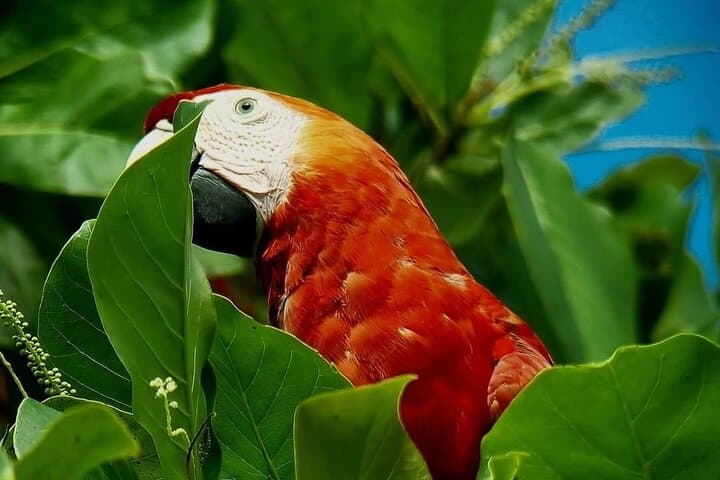
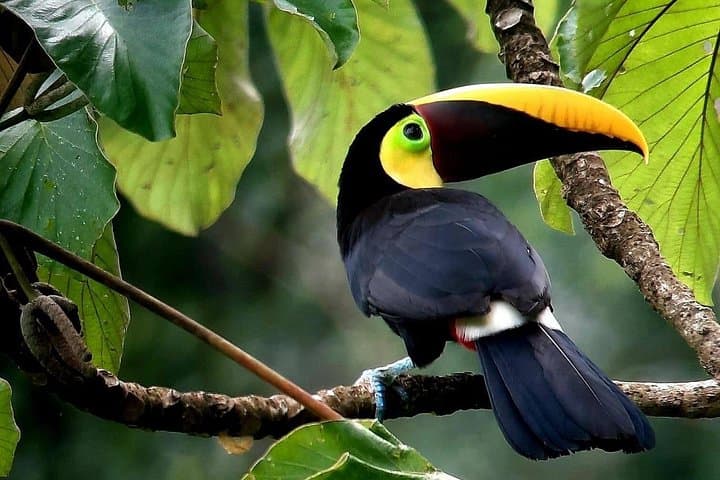
Spend a crisp morning on the Osa Peninsula tracking toucans, scarlet macaws, and hummingbirds along the Golfo Dulce. Local certified guides use scopes and local knowledge to put rare species within view on this 4-hour small-group tour.
Spend a crisp morning on the Osa Peninsula tracking toucans, scarlet macaws, and hummingbirds along the Golfo Dulce. Local certified guides use scopes and local knowledge to put rare species within view on this 4-hour small-group tour.
Dawn arrives wet and bright over Golfo Dulce, the mangroves blinking awake as toucans call from tall almond trees. You stand at the edge of a forest track outside Puerto Jiménez, binoculars at the ready, guided by a local expert whose ears catch the faintest insect chatter and whose spotting scope brings scarlet macaws into crisp focus.
Verified experiences and guided adventures in the surrounding area.
Operated by Corcovado Wild Tours · Puerto Jiménez, Puntarenas
Dawn arrives wet and bright over Golfo Dulce, the mangroves blinking awake as toucans call from tall almond trees. You stand at the edge of a forest track outside Puerto Jiménez, binoculars at the ready, guided by a local expert whose ears catch the faintest insect chatter and whose spotting scope brings scarlet macaws into crisp focus.
The Osa Peninsula is geologically young rainforest carved by tectonic uplift and volcanic soils, creating pockets of ultra-rich habitat along the Gulf’s lowlands. Human history here mixes indigenous Bribri and Boruca cultural influences with a century of small-scale fishing and cacao cultivation; local guides often weave these stories into their birding narrative, pointing out species tied to specific trees or farms.
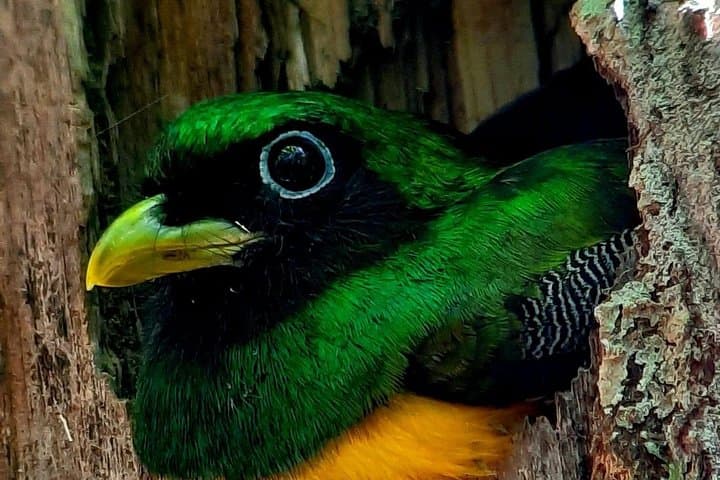
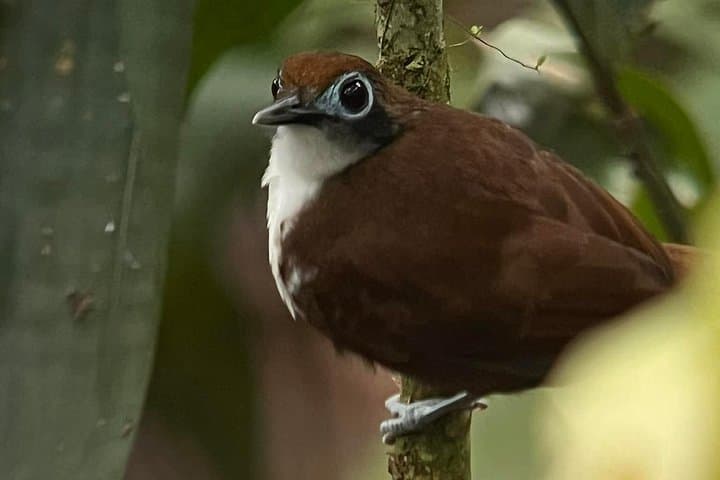
Expect concentrated small-group searching through forest edges, mangrove fringes, and secondary growth where tanagers, hummingbirds, and endemic species reveal themselves in bursts. The experience is sensory: humid air that lifts insect calls, sunlight punching through canopy gaps, and the gulf’s tide rhythm that seems to push birds closer to shore.
Practical guidance: tours run about four hours with moderate walking on uneven ground—light footwear and layered rain protection are essential. Bring water, insect repellent, and a camera with a zoom lens if you want more than scope views. Mornings are best for activity; guides provide a professional spotting scope and a small snack and coffee to keep energy high. This is a low-impact adventure—observe quietly, stay on paths, and follow your guide to protect nesting sites and fragile understory plants.
easy.
4 hours.
Suitable for most fitness levels; requires short periods of standing and walking on uneven forest tracks.
The tour lasts approximately four hours, typically starting at dawn when bird activity is highest.
A professional spotting scope is provided by the operator; most travelers prefer to bring their own binoculars for portability.
The route is rated easy with some uneven ground and short walks; it’s suitable for most fitness levels but not recommended for those with significant mobility issues.
Guides include coffee and a small snack; bring your own water bottle for refills and extra hydration.
The Osa Peninsula has long been home to indigenous peoples and small fishing communities; later conservation efforts recognized the area’s global biodiversity value.
Visitors are encouraged to stay on trails, avoid single-use plastics, and support local guides who contribute to community-based conservation and monitoring.
Corcovado Wild Tours operates guided outdoor trips and adventures with an emphasis on safety, stewardship, and memorable experiences.
Dawn arrives wet and bright over Golfo Dulce, the mangroves blinking awake as toucans call from tall almond trees. You stand at the edge of a forest track outside Puerto Jiménez, binoculars at the ready, guided by a local expert whose ears catch the faintest insect chatter and whose spotting scope brings scarlet macaws into crisp focus.
Dawn arrives wet and bright over Golfo Dulce, the mangroves blinking awake as toucans call from tall almond trees. You stand at the edge of a forest track outside Puerto Jiménez, binoculars at the ready, guided by a local expert whose ears catch the faintest insect chatter and whose spotting scope brings scarlet macaws into crisp focus.
The Osa Peninsula is geologically young rainforest carved by tectonic uplift and volcanic soils, creating pockets of ultra-rich habitat along the Gulf’s lowlands. Human history here mixes indigenous Bribri and Boruca cultural influences with a century of small-scale fishing and cacao cultivation; local guides often weave these stories into their birding narrative, pointing out species tied to specific trees or farms.
Expect concentrated small-group searching through forest edges, mangrove fringes, and secondary growth where tanagers, hummingbirds, and endemic species reveal themselves in bursts. The experience is sensory: humid air that lifts insect calls, sunlight punching through canopy gaps, and the gulf’s tide rhythm that seems to push birds closer to shore.
Practical guidance: tours run about four hours with moderate walking on uneven ground—light footwear and layered rain protection are essential. Bring water, insect repellent, and a camera with a zoom lens if you want more than scope views. Mornings are best for activity; guides provide a professional spotting scope and a small snack and coffee to keep energy high. This is a low-impact adventure—observe quietly, stay on paths, and follow your guide to protect nesting sites and fragile understory plants.