THE ADVENTURE COLLECTIVE® · Independent discovery and booking for outdoor travel

Walk the Cali River bank with a specialist guide and binoculars to spot about 40 species in approximately three hours. This urban birding tour blends riverine ecology, local history and hands-on identification for beginners and experienced birders alike.
Walk the Cali River bank with a specialist guide and binoculars to spot about 40 species in approximately three hours. This urban birding tour blends riverine ecology, local history and hands-on identification for beginners and experienced birders alike.
Morning light strips the city concrete and the Cali River begins to speak — a rush of moving water, reed-edge rustle and a chorus of perching birds that treat the urban bank like a patchwork refuge. On a three-hour walk along the river, guides lead small groups while binoculars scan mangled branches and open water, delivering snapshots of roughly 40 species from a city that hosts some 562 recorded birds.
Verified experiences and guided adventures in the surrounding area.
Operated by Valley Adventours · Cali, Valle del Cauca
Morning light strips the city concrete and the Cali River begins to speak — a rush of moving water, reed-edge rustle and a chorus of perching birds that treat the urban bank like a patchwork refuge. On a three-hour walk along the river, guides lead small groups while binoculars scan mangled branches and open water, delivering snapshots of roughly 40 species from a city that hosts some 562 recorded birds.
The route follows the river corridor that slices through the Cauca Valley at the foot of the Western Andes. Geology here is recent: alluvial plains, cut channels and sediments that nurture riparian vegetation. Historically the river shaped local settlement and industry in Cali; today its banks serve as a living classroom where urban ecology meets local culture — street vendors, neighborhood parks and bilingual guides who share both natural history and community context.
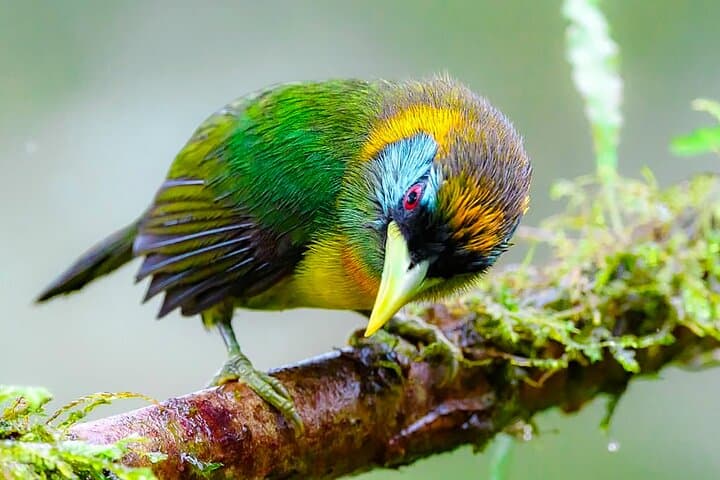
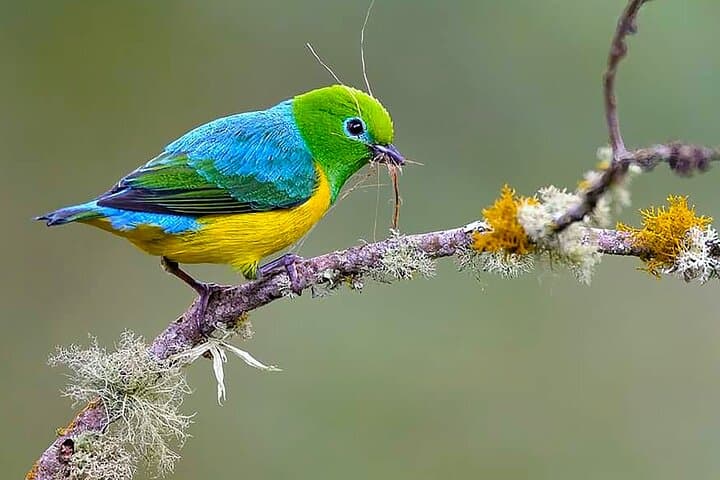
Expect a lesson in urban adaptability: kingfishers dive like punctuation marks, egrets stand patient as sentinels and small tanagers and flycatchers flit through low canopy. The guide provides binoculars and a quick induction; the group size is capped for quiet observation. Weather can turn—this corridor is loud with rain in months that are wetter — so come prepared.
Practical guidance: carry water, wear closed shoes for muddy stretches, choose neutral clothing to avoid startling birds, and bring a lightweight rain shell. Aim for early morning for peak activity, keep voices low, and let the river and its birds set the pace.
easy.
3 hours.
Suitable for most fitness levels; expect easy walking on riverbank paths with occasional uneven surfaces.
The tour is approximately three hours along the Cali River bank; expect to observe around 35–45 species depending on season and time of day.
Yes — binoculars and a short 10-minute induction are included; you may bring personal optics if preferred.
Yes — the route is rated easy with gentle walking; participants should be able to manage short uneven sections and bring water and sensible footwear.
The tour runs in most weather; bring a rain poncho or waterproof jacket and a waterproof bag for electronics.
The Cali River corridor shaped local settlement and trade in the Cauca Valley; its riparian zones have long been used by residents for transport and food resources.
Urban development pressures and pollution affect river ecology; small guided groups help minimize disturbance and local programs promote habitat restoration and responsible birdwatching.
Valley Adventours operates guided outdoor trips and adventures with an emphasis on safety, stewardship, and memorable experiences.

Morning light strips the city concrete and the Cali River begins to speak — a rush of moving water, reed-edge rustle and a chorus of perching birds that treat the urban bank like a patchwork refuge. On a three-hour walk along the river, guides lead small groups while binoculars scan mangled branches and open water, delivering snapshots of roughly 40 species from a city that hosts some 562 recorded birds.
Morning light strips the city concrete and the Cali River begins to speak — a rush of moving water, reed-edge rustle and a chorus of perching birds that treat the urban bank like a patchwork refuge. On a three-hour walk along the river, guides lead small groups while binoculars scan mangled branches and open water, delivering snapshots of roughly 40 species from a city that hosts some 562 recorded birds.
The route follows the river corridor that slices through the Cauca Valley at the foot of the Western Andes. Geology here is recent: alluvial plains, cut channels and sediments that nurture riparian vegetation. Historically the river shaped local settlement and industry in Cali; today its banks serve as a living classroom where urban ecology meets local culture — street vendors, neighborhood parks and bilingual guides who share both natural history and community context.
Expect a lesson in urban adaptability: kingfishers dive like punctuation marks, egrets stand patient as sentinels and small tanagers and flycatchers flit through low canopy. The guide provides binoculars and a quick induction; the group size is capped for quiet observation. Weather can turn—this corridor is loud with rain in months that are wetter — so come prepared.
Practical guidance: carry water, wear closed shoes for muddy stretches, choose neutral clothing to avoid startling birds, and bring a lightweight rain shell. Aim for early morning for peak activity, keep voices low, and let the river and its birds set the pace.