THE ADVENTURE COLLECTIVE® · Independent discovery and booking for outdoor travel

Wake with the estuary as flocks lift and the Ameca River runs toward the bay. This biologist‑led birding tour through mangroves and channels highlights tropical and wetland species common to the Puerto Vallarta area.
Wake with the estuary as flocks lift and the Ameca River runs toward the bay. This biologist‑led birding tour through mangroves and channels highlights tropical and wetland species common to the Puerto Vallarta area.
Dawn slides across the estuary in washes of gold and teal; mangroves whisper and the Ameca River pushes toward the bay like a living highway, daring the tides to slow it. Observers in an air‑conditioned van or small boat watch flocks lift and scatter — black‑throated magpie‑jays flash blue through gallery forest, hummingbirds hover like punctuation, and woodpeckers methodically tap trunks.
Verified experiences and guided adventures in the surrounding area.
Operated by ECOTOURS VALLARTA · Puerto Vallarta, Jalisco
Dawn slides across the estuary in washes of gold and teal; mangroves whisper and the Ameca River pushes toward the bay like a living highway, daring the tides to slow it. Observers in an air‑conditioned van or small boat watch flocks lift and scatter — black‑throated magpie‑jays flash blue through gallery forest, hummingbirds hover like punctuation, and woodpeckers methodically tap trunks.
The estuary at Desembocada sits where the Ameca drains mountain runoff into Bahía de Banderas. Geologically this is an alluvial delta: fine sediments build flats and mangrove roots trap soil, making rich feeding grounds for migratory and resident birds. Culturally, the shoreline supports small fishing villages whose livelihoods and culinary practices are tied to seasonal tides and the river’s bounty.
On a guided biologist‑led tour, expect identification sessions, quiet observation points, and short boat transits through channels. Guides point out signature species — cinnamon hummingbird, golden‑cheeked woodpecker, green jay — and explain habitat links and the occasional American crocodile sighting in brackish channels.
Practical guidance: schedule mornings for best light and activity, wear quick‑dry layers and a broad hat, and bring a good pair of binoculars. The tour covers gentle walking and short boat rides; it’s designed for most fitness levels but keep knees comfortable on slippery banks. Respect closed mangrove patches and follow the guide’s instructions on approaching nests and wildlife. With basic preparation this is a day that pairs sensory immersion with clear, teachable ecology.
easy.
7 hours.
Light walking and short boat transfers; suitable for visitors in average physical condition with basic mobility.
Guides often point out cinnamon hummingbirds, green jays, golden‑cheeked woodpeckers and black‑throated magpie‑jays, plus various herons, egrets and shorebirds depending on tide and season.
Yes—minimum age is typically 8 and children must be accompanied by an adult; the pace is gentle but some boat segments require steady balance.
Most operators provide transport from Puerto Vallarta in an air‑conditioned van; public transportation exists but check the tour pickup details when booking.
No—wildlife sightings depend on season, weather and animal behavior; however, experienced biologist guides maximize opportunities and teach you how to read habitat cues.
The Ameca estuary has long been a natural corridor between inland valleys and the bay; local communities historically used these waterways for fishing and small‑scale trade.
Mangroves and estuaries are sensitive to development and pollution; tours emphasize low‑impact observation and support for local conservation initiatives.
ECOTOURS VALLARTA operates guided outdoor trips and adventures with an emphasis on safety, stewardship, and memorable experiences.
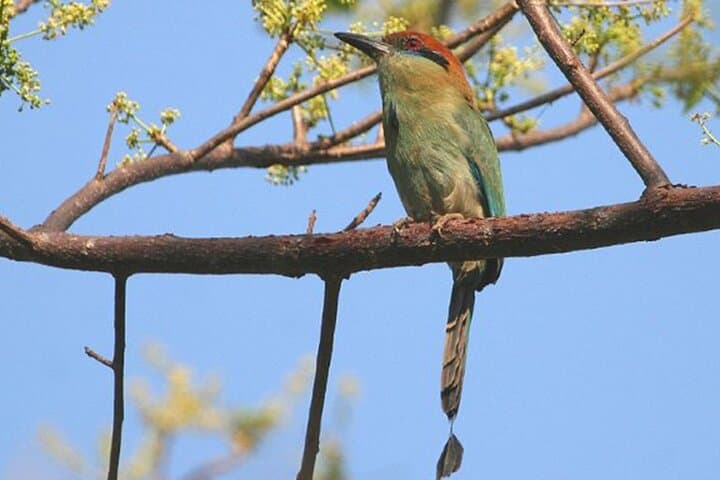
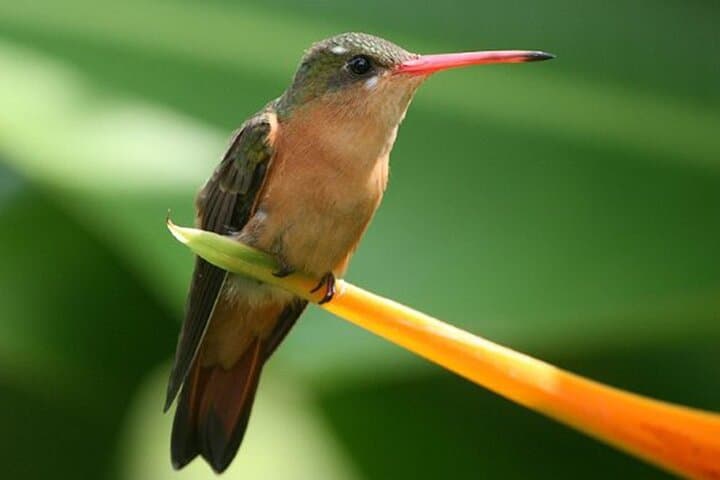
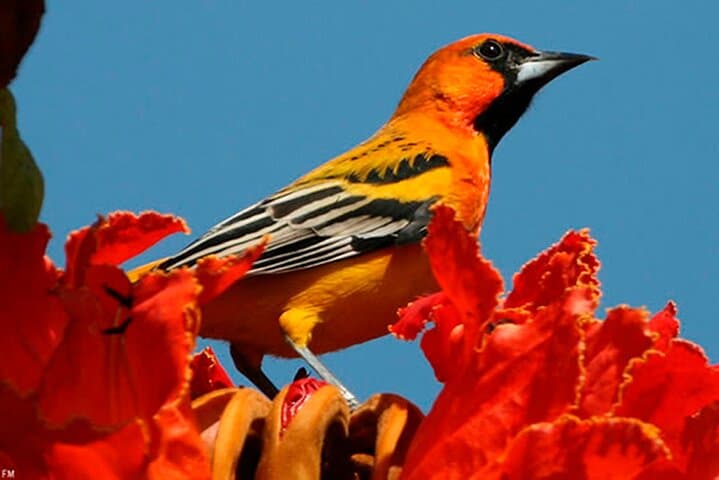
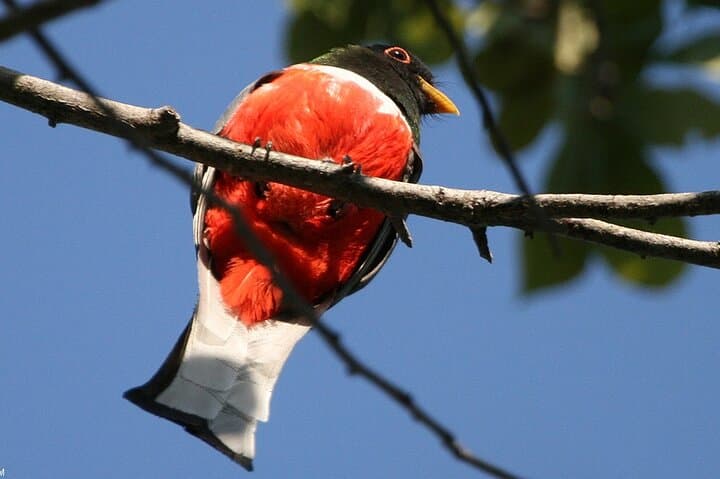
Dawn slides across the estuary in washes of gold and teal; mangroves whisper and the Ameca River pushes toward the bay like a living highway, daring the tides to slow it. Observers in an air‑conditioned van or small boat watch flocks lift and scatter — black‑throated magpie‑jays flash blue through gallery forest, hummingbirds hover like punctuation, and woodpeckers methodically tap trunks.
Dawn slides across the estuary in washes of gold and teal; mangroves whisper and the Ameca River pushes toward the bay like a living highway, daring the tides to slow it. Observers in an air‑conditioned van or small boat watch flocks lift and scatter — black‑throated magpie‑jays flash blue through gallery forest, hummingbirds hover like punctuation, and woodpeckers methodically tap trunks.
The estuary at Desembocada sits where the Ameca drains mountain runoff into Bahía de Banderas. Geologically this is an alluvial delta: fine sediments build flats and mangrove roots trap soil, making rich feeding grounds for migratory and resident birds. Culturally, the shoreline supports small fishing villages whose livelihoods and culinary practices are tied to seasonal tides and the river’s bounty.
On a guided biologist‑led tour, expect identification sessions, quiet observation points, and short boat transits through channels. Guides point out signature species — cinnamon hummingbird, golden‑cheeked woodpecker, green jay — and explain habitat links and the occasional American crocodile sighting in brackish channels.
Practical guidance: schedule mornings for best light and activity, wear quick‑dry layers and a broad hat, and bring a good pair of binoculars. The tour covers gentle walking and short boat rides; it’s designed for most fitness levels but keep knees comfortable on slippery banks. Respect closed mangrove patches and follow the guide’s instructions on approaching nests and wildlife. With basic preparation this is a day that pairs sensory immersion with clear, teachable ecology.