THE ADVENTURE COLLECTIVE® · Independent discovery and booking for outdoor travel

Walk the mist-lined trails of Monteverde with a local naturalist to seek 400 resident and migratory bird species. This small-group, half-day tour pairs expert spotting with accessible trails and practical tips for a successful morning in the cloud forest.
Walk the mist-lined trails of Monteverde with a local naturalist to seek 400 resident and migratory bird species. This small-group, half-day tour pairs expert spotting with accessible trails and practical tips for a successful morning in the cloud forest.
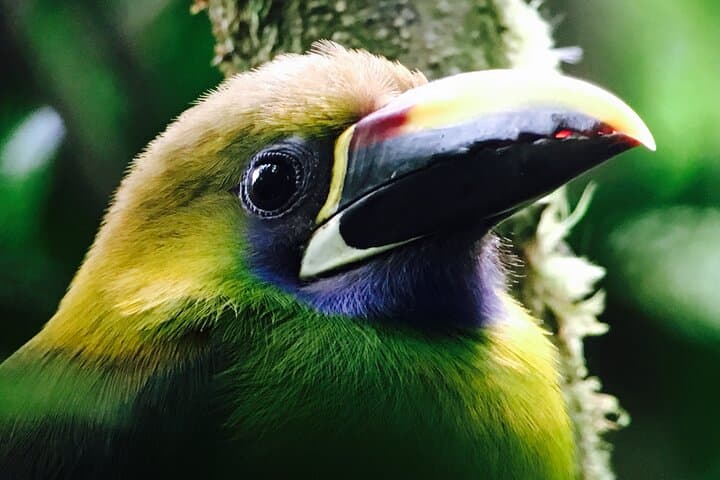
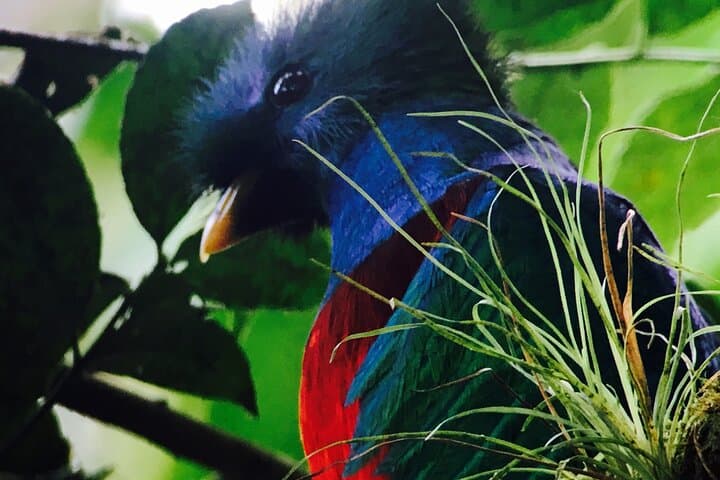
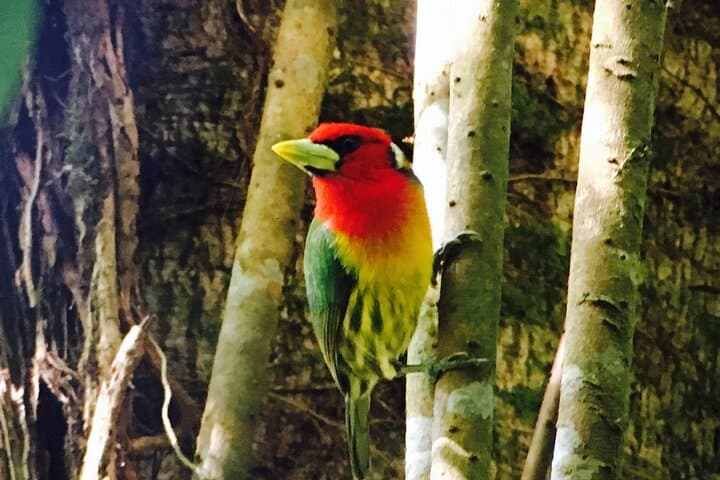
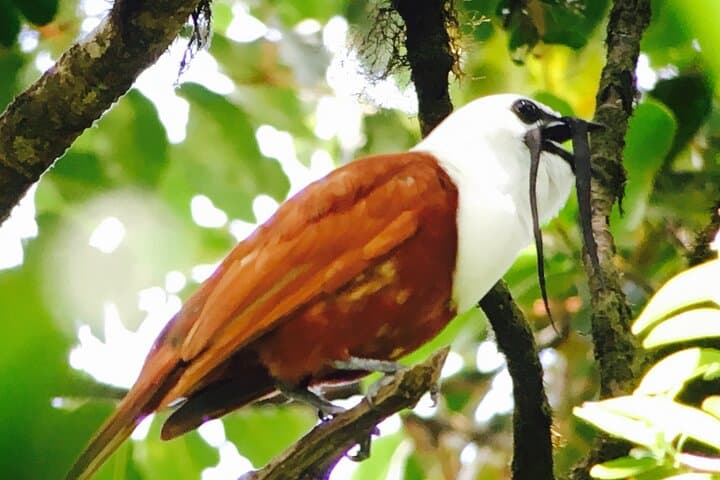
Dawn breaks through a low curtain of cloud and the trail in Monteverde breathes cool, damp air. Moss clings to oak trunks, and the canopy opens in layered windows where tanagers and hummingbirds flicker like punctuation. You walk with a local certified naturalist, voices low, binoculars raised; the forest answers with calls—wheezing bellbirds, staccato manakins, the occasional quetzal note.
Verified experiences and guided adventures in the surrounding area.
Operated by Travel and Birding · Santa Elena, Puntarenas
Dawn breaks through a low curtain of cloud and the trail in Monteverde breathes cool, damp air. Moss clings to oak trunks, and the canopy opens in layered windows where tanagers and hummingbirds flicker like punctuation. You walk with a local certified naturalist, voices low, binoculars raised; the forest answers with calls—wheezing bellbirds, staccato manakins, the occasional quetzal note.
This mountaintop cloud forest formed where Pacific moisture meets the Tilarán Range, creating persistent mist and unique cloud-adapted vegetation. The Monteverde Biological Reserve grew from community conservation efforts in the 1970s and today protects remnants of primary forest and research trails that reveal both volcanic soils and a long history of settlement by Quaker and Costa Rican families.
Expect 3–6 km of walking on packed dirt and rooty paths, between roughly 1,200–1,650 m elevation. Trails are mostly well-marked but can be muddy after rain; footing is uneven and sightings often require patience and quiet. Seasonal migrants expand the checklist—winter months bring thrushes and warblers; wet-season mornings teem with frog and insect activity that draw hungry birds.
Practical guidance: start early (before 7 a.m.) to catch peak activity, wear a light waterproof layer, and bring a small tripod or steadying strap for your binoculars. Hydrate and carry snacks; cell coverage is intermittent. Respect quiet zones, stay on trails to protect understorey habitat, and follow your guide’s lead for the best viewing windows. With preparation, this half-day outing rewards steady eyes and soft steps with memorable encounters among one of Costa Rica’s most productive birding landscapes.
moderate.
4 hours.
Suitable for walkers in average physical condition; involves repeated short periods of standing and quiet observation.
The activity runs about 4 hours with 3–6 km of walking on maintained trails; pace is slow to maximize sightings.
Yes—trails are accessible and the tour is geared to small groups and varied abilities, though very young children may find the pace slow.
Quetzals are present in the region but sightings are seasonal and not guaranteed; guides know local hotspots that improve chances.
No—guided tours accommodate beginners and provide identification tips; bringing binoculars improves the experience.
The Monteverde Biological Reserve expanded from community-driven conservation in the 1970s and became a model for cloud-forest protection and research.
Low-impact, guided visits support local reserves; visitors should stick to trails and avoid playback calls that disrupt breeding behavior.
Travel and Birding operates guided outdoor trips and adventures with an emphasis on safety, stewardship, and memorable experiences.
Dawn breaks through a low curtain of cloud and the trail in Monteverde breathes cool, damp air. Moss clings to oak trunks, and the canopy opens in layered windows where tanagers and hummingbirds flicker like punctuation. You walk with a local certified naturalist, voices low, binoculars raised; the forest answers with calls—wheezing bellbirds, staccato manakins, the occasional quetzal note.
Dawn breaks through a low curtain of cloud and the trail in Monteverde breathes cool, damp air. Moss clings to oak trunks, and the canopy opens in layered windows where tanagers and hummingbirds flicker like punctuation. You walk with a local certified naturalist, voices low, binoculars raised; the forest answers with calls—wheezing bellbirds, staccato manakins, the occasional quetzal note.
This mountaintop cloud forest formed where Pacific moisture meets the Tilarán Range, creating persistent mist and unique cloud-adapted vegetation. The Monteverde Biological Reserve grew from community conservation efforts in the 1970s and today protects remnants of primary forest and research trails that reveal both volcanic soils and a long history of settlement by Quaker and Costa Rican families.
Expect 3–6 km of walking on packed dirt and rooty paths, between roughly 1,200–1,650 m elevation. Trails are mostly well-marked but can be muddy after rain; footing is uneven and sightings often require patience and quiet. Seasonal migrants expand the checklist—winter months bring thrushes and warblers; wet-season mornings teem with frog and insect activity that draw hungry birds.
Practical guidance: start early (before 7 a.m.) to catch peak activity, wear a light waterproof layer, and bring a small tripod or steadying strap for your binoculars. Hydrate and carry snacks; cell coverage is intermittent. Respect quiet zones, stay on trails to protect understorey habitat, and follow your guide’s lead for the best viewing windows. With preparation, this half-day outing rewards steady eyes and soft steps with memorable encounters among one of Costa Rica’s most productive birding landscapes.