THE ADVENTURE COLLECTIVE® · Independent discovery and booking for outdoor travel

Spend three hours tracing the soundscape of Costa Rica’s Central Pacific rainforest outside Uvita. A private guide, pro optics, and easy forest trails make this a top pick for first-time birders seeking toucans, tanagers, monkeys and sloths.
Spend three hours tracing the soundscape of Costa Rica’s Central Pacific rainforest outside Uvita. A private guide, pro optics, and easy forest trails make this a top pick for first-time birders seeking toucans, tanagers, monkeys and sloths.
Mornings in Uvita open with humid air and a chorus that seems to arrive before the sun. You set off along shaded tracks where palms and ceiba trees crowd the trail and the forest calls—sharp metallic notes, a brassy toucan laugh, a distant monkey howl. Guides move quietly, binoculars ready, pointing out subtle flashes of color: tanager flanks, a kingfisher at a creek bend, a sloth tucked like a sleeping knot.
Verified experiences and guided adventures in the surrounding area.
Operated by Pure Birding · Uvita, Puntarenas
Mornings in Uvita open with humid air and a chorus that seems to arrive before the sun. You set off along shaded tracks where palms and ceiba trees crowd the trail and the forest calls—sharp metallic notes, a brassy toucan laugh, a distant monkey howl. Guides move quietly, binoculars ready, pointing out subtle flashes of color: tanager flanks, a kingfisher at a creek bend, a sloth tucked like a sleeping knot.
The Central Pacific coast has a recent human history shaped by small-scale farming and a growing conservation economy. Geologically the area is lowland tropical rainforest—sandy soil on coastal terraces with frequent streams that shape microhabitats for birds. Local culture mixes Afro-Caribbean and Costa Rican influences, and private guides here often learned birding the old way: by ear and by time spent in the forest.
Expect an easy, three-hour guided walk on mostly flat, sometimes muddy paths. The tour aims to show pistachio-bright tanagers, toucans, hummingbirds, and the region’s iconic sloths and monkeys, though sightings aren’t guaranteed. Guides typically supply professional optics and know where fruiting trees concentrate activity.
Practical tips: book early-morning departures for the best bird activity and carry a lightweight rain jacket—tropical downpours are common year-round. Wear sturdy shoes with good traction, bring water and insect repellent, and keep voices low to increase sightings. Respect wildlife: don’t approach or feed animals, and follow your guide’s instructions to minimize disturbance. This is a short, low-impact way to experience Costa Rica’s biodiverse coastal rainforest with experienced local guides.
easy.
3 hours.
Able to walk easy, uneven forest trails for three hours; minimal elevation change
Both are regularly seen but not guaranteed; guides know active areas and fruiting trees that increase chances.
Yes—this tour is rated easy and appropriate for most ages, though you should be able to walk on uneven ground for up to three hours.
Professional birding equipment is included, but bringing your own binoculars and a small field guide can enhance the experience.
Tours may be canceled in heavy rain; check the operator’s policy—full refunds are often available with 24-hour notice.
The Central Pacific has shifted from subsistence agriculture to ecotourism; local guides often blend traditional knowledge with modern conservation practices.
Stick to trails, avoid flash photography and never feed wildlife; supporting local guides helps fund conservation and community livelihoods.
Pure Birding operates guided outdoor trips and adventures with an emphasis on safety, stewardship, and memorable experiences.
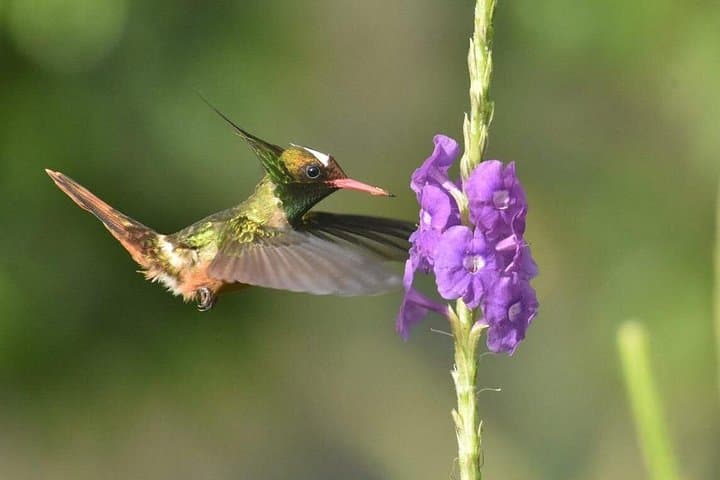
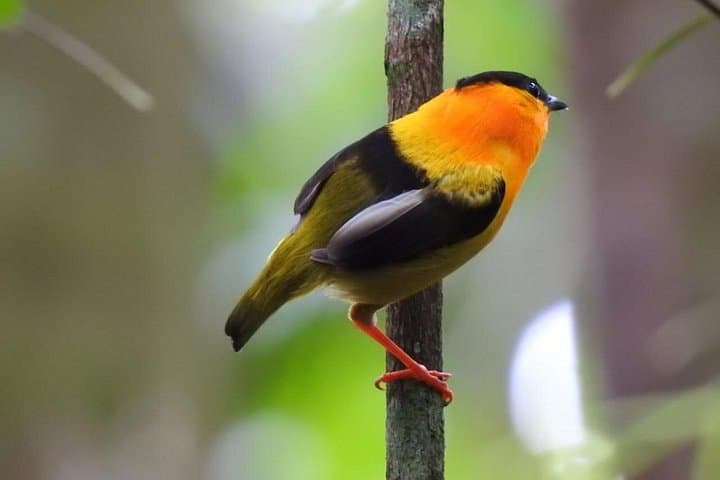
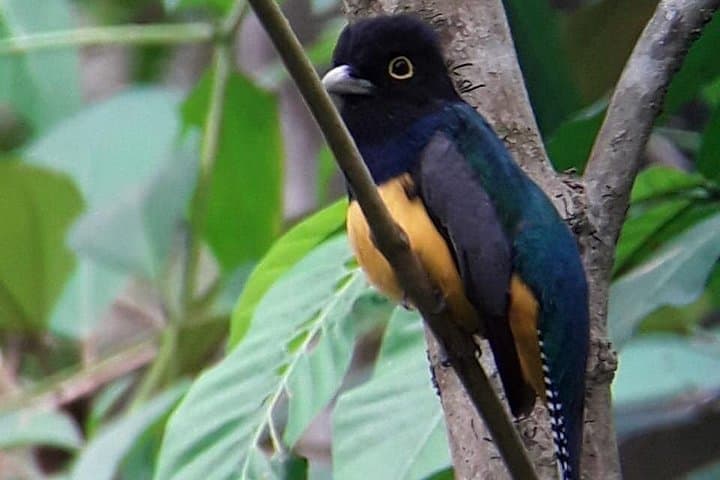
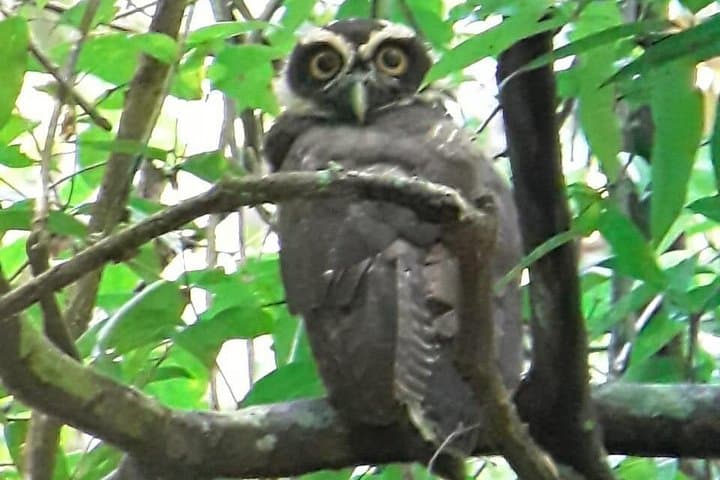
Mornings in Uvita open with humid air and a chorus that seems to arrive before the sun. You set off along shaded tracks where palms and ceiba trees crowd the trail and the forest calls—sharp metallic notes, a brassy toucan laugh, a distant monkey howl. Guides move quietly, binoculars ready, pointing out subtle flashes of color: tanager flanks, a kingfisher at a creek bend, a sloth tucked like a sleeping knot.
Mornings in Uvita open with humid air and a chorus that seems to arrive before the sun. You set off along shaded tracks where palms and ceiba trees crowd the trail and the forest calls—sharp metallic notes, a brassy toucan laugh, a distant monkey howl. Guides move quietly, binoculars ready, pointing out subtle flashes of color: tanager flanks, a kingfisher at a creek bend, a sloth tucked like a sleeping knot.
The Central Pacific coast has a recent human history shaped by small-scale farming and a growing conservation economy. Geologically the area is lowland tropical rainforest—sandy soil on coastal terraces with frequent streams that shape microhabitats for birds. Local culture mixes Afro-Caribbean and Costa Rican influences, and private guides here often learned birding the old way: by ear and by time spent in the forest.
Expect an easy, three-hour guided walk on mostly flat, sometimes muddy paths. The tour aims to show pistachio-bright tanagers, toucans, hummingbirds, and the region’s iconic sloths and monkeys, though sightings aren’t guaranteed. Guides typically supply professional optics and know where fruiting trees concentrate activity.
Practical tips: book early-morning departures for the best bird activity and carry a lightweight rain jacket—tropical downpours are common year-round. Wear sturdy shoes with good traction, bring water and insect repellent, and keep voices low to increase sightings. Respect wildlife: don’t approach or feed animals, and follow your guide’s instructions to minimize disturbance. This is a short, low-impact way to experience Costa Rica’s biodiverse coastal rainforest with experienced local guides.