THE ADVENTURE COLLECTIVE® · Independent discovery and booking for outdoor travel

Leave Bogotá before dawn and enter a misted Andean forest where hummingbirds and tanagers dominate the canopy. Chicaque’s feeders and short, humid trails make it a prime half-day birding destination for species unique to Colombia’s cloud forests.
Leave Bogotá before dawn and enter a misted Andean forest where hummingbirds and tanagers dominate the canopy. Chicaque’s feeders and short, humid trails make it a prime half-day birding destination for species unique to Colombia’s cloud forests.
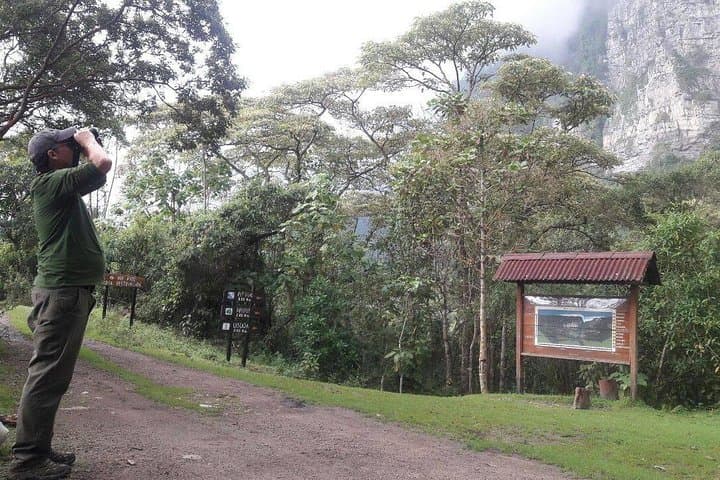
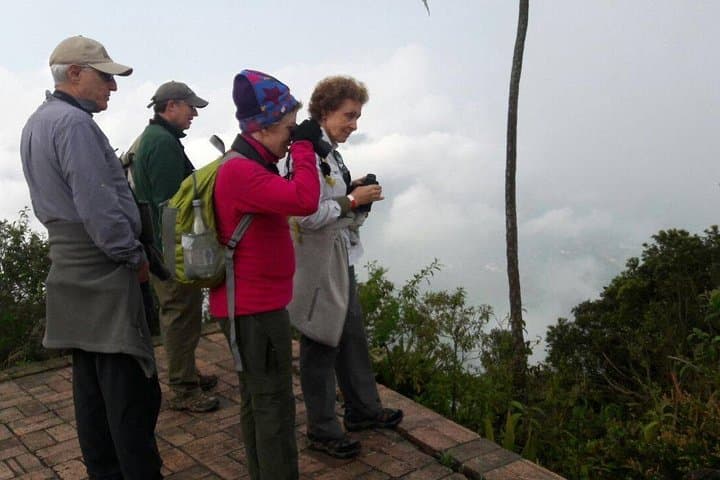
Dawn in the high Andes is a slow business: a low cloud presses against the pines and moss-laden trunks of Chicaque as engines die and binoculars click into place. You leave Bogotá before sunrise and, within an hour and a half, step into a wet, singing world where hummingbirds dart like thrown sequins and the trail exhales a cool, green breath.
Verified experiences and guided adventures in the surrounding area.
Operated by BOGOTA BIRDING & COLOMBIA WILDLIFE TOURS · San Antonio del Tequendama, Cundinamarca
Dawn in the high Andes is a slow business: a low cloud presses against the pines and moss-laden trunks of Chicaque as engines die and binoculars click into place. You leave Bogotá before sunrise and, within an hour and a half, step into a wet, singing world where hummingbirds dart like thrown sequins and the trail exhales a cool, green breath.
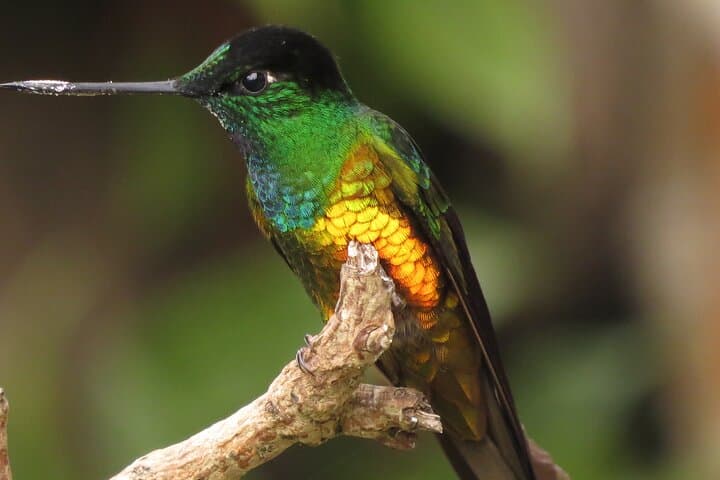
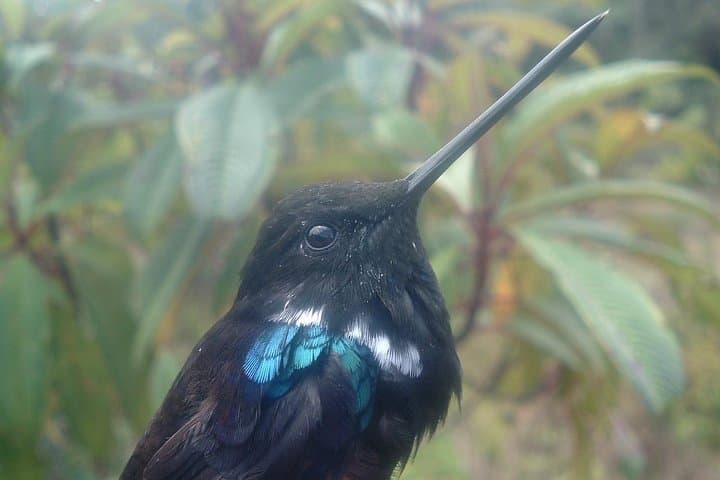
Chicaque sits on the western slope of the Eastern Andes at 2,100–2,700 m, its 300+ hectares of sub-Andean and Andean forest carved by uplifted volcanic and sedimentary layers. The reserve’s humidity feeds ferns, orchids and thick mattresses of moss, and its microclimates support more than 150 bird species — from tanagers and vireos to specialty hummingbirds such as the Golden-bellied Starfrontlet and Tourmaline Sunangel at feeder stations. Local communities around Cundinamarca have long used these forests for water, fuel and cultural livelihood; today conservation and regulated tourism aim to balance birding access with habitat protection.
Expect narrow, often muddy trails with modest elevation changes rather than steep climbs; the experience is about patience and sharp ears more than brute fitness. Guided walks run roughly six hours including transport; feeders and viewpoints offer some close encounters. Practical tips: go early for the best light and activity, layer for rapid weather shifts, carry rain protection and water, and use quiet, low-impact behavior around feeders. The reserve provides breakfast, lunch and private transport on many tours — but bring your own binoculars and a field guide to make the most of the morning’s concert of wings.
moderate.
6 hours.
Moderate — able to walk 3–6 miles on uneven, sometimes muddy trails with short elevation changes
The reserve is about 1.5 hours from Bogotá by car depending on traffic; many tours include private transport.
Hummingbirds like Tourmaline Sunangel, White-bellied Woodstar and Lesser Violetear are common at feeders along with occasional rarities like the Golden-bellied Starfrontlet.
Yes — infants may need to sit on laps during transport and trails are generally family-friendly, but expect uneven terrain and cooler temperatures.
Many tours include breakfast, lunch and soft drinks; confirm inclusions when booking and bring snacks if you have dietary needs.
The forests on Chicaque’s slopes have long supplied water and resources to nearby Cundinamarca communities; recent decades have seen formal protection efforts to conserve this important Andean watershed.
Visitor numbers are managed and trails maintained to minimize erosion and disturbance; stick to paths and follow guide instructions to reduce impact.
BOGOTA BIRDING & COLOMBIA WILDLIFE TOURS operates guided outdoor trips and adventures with an emphasis on safety, stewardship, and memorable experiences.
Dawn in the high Andes is a slow business: a low cloud presses against the pines and moss-laden trunks of Chicaque as engines die and binoculars click into place. You leave Bogotá before sunrise and, within an hour and a half, step into a wet, singing world where hummingbirds dart like thrown sequins and the trail exhales a cool, green breath.
Dawn in the high Andes is a slow business: a low cloud presses against the pines and moss-laden trunks of Chicaque as engines die and binoculars click into place. You leave Bogotá before sunrise and, within an hour and a half, step into a wet, singing world where hummingbirds dart like thrown sequins and the trail exhales a cool, green breath.
Chicaque sits on the western slope of the Eastern Andes at 2,100–2,700 m, its 300+ hectares of sub-Andean and Andean forest carved by uplifted volcanic and sedimentary layers. The reserve’s humidity feeds ferns, orchids and thick mattresses of moss, and its microclimates support more than 150 bird species — from tanagers and vireos to specialty hummingbirds such as the Golden-bellied Starfrontlet and Tourmaline Sunangel at feeder stations. Local communities around Cundinamarca have long used these forests for water, fuel and cultural livelihood; today conservation and regulated tourism aim to balance birding access with habitat protection.
Expect narrow, often muddy trails with modest elevation changes rather than steep climbs; the experience is about patience and sharp ears more than brute fitness. Guided walks run roughly six hours including transport; feeders and viewpoints offer some close encounters. Practical tips: go early for the best light and activity, layer for rapid weather shifts, carry rain protection and water, and use quiet, low-impact behavior around feeders. The reserve provides breakfast, lunch and private transport on many tours — but bring your own binoculars and a field guide to make the most of the morning’s concert of wings.