THE ADVENTURE COLLECTIVE® · Independent discovery and booking for outdoor travel

Spend a focused six hours tracking winter migrants and coastal specials around Constanța. This private Dobrogea tour stitches together lagoons, salt lakes and marsh hides where pelicans, flamingos and waders gather for dramatic photographic moments.
Spend a focused six hours tracking winter migrants and coastal specials around Constanța. This private Dobrogea tour stitches together lagoons, salt lakes and marsh hides where pelicans, flamingos and waders gather for dramatic photographic moments.
You step out of the minivan and the wind off the Black Sea immediately rearranges your field of view: salt-slick air, a band of distant white birds, and a marsh that seems to breathe. Over six hours your guide steers a route around Constanța’s coastal lagoons and marshes, stopping at hides and shallow pools where waders, gulls and winter migrants gather and the landscape insists you look closer.
Verified experiences and guided adventures in the surrounding area.
Operated by Bunica Maria · Constanța, Constanța County
You step out of the minivan and the wind off the Black Sea immediately rearranges your field of view: salt-slick air, a band of distant white birds, and a marsh that seems to breathe. Over six hours your guide steers a route around Constanța’s coastal lagoons and marshes, stopping at hides and shallow pools where waders, gulls and winter migrants gather and the landscape insists you look closer.
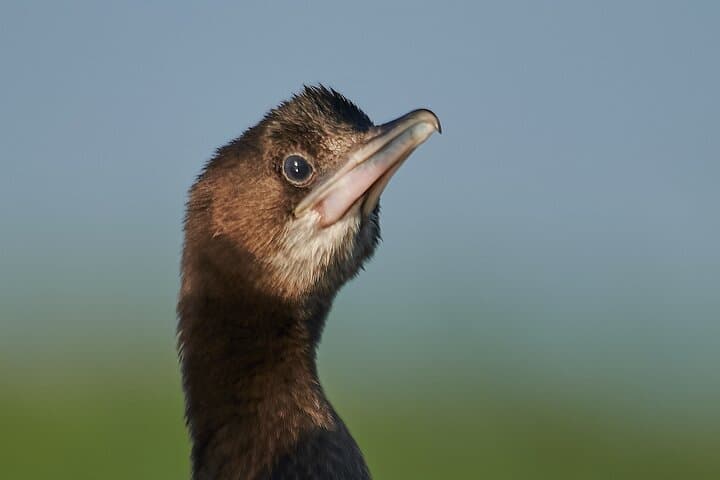
Dobrogea sits where the Danube meets the Black Sea and has been shaped by marine transgressions and alluvial deposits; its steppe and lagoon mosaic have attracted Greeks, Romans and Ottoman traders for millennia. That human history sits quietly behind reed beds now claimed by avocets and pygmy cormorants. The region’s geology—sandy spits, saline lakes and sheltered bays—creates feeding grounds that make this corridor one of Europe’s key migration routes.
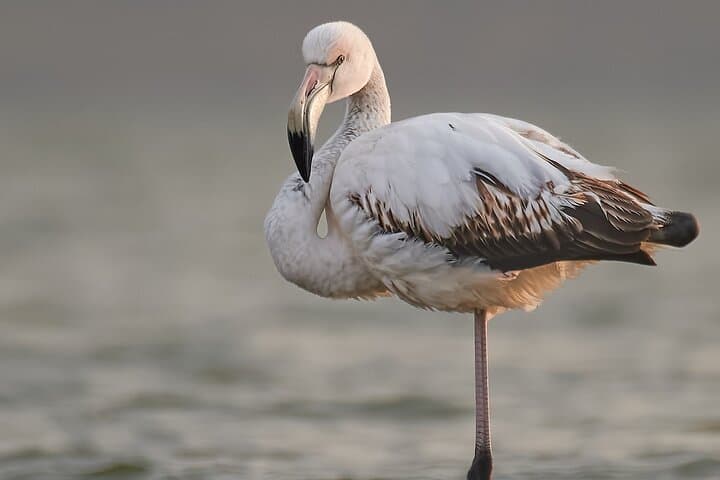
On this private tour you’ll cover more than 100 km of shoreline and inland wetlands: expect to see species like Dalmatian and great white pelicans, greater flamingo, pied avocet, smew and Caspian gulls. Guides provide binoculars and a scope, but photographers should bring long lenses and steady tripods.
Practical tips: start early for the best light and active birds; dress in windproof layers and waterproof footwear for muddy hides; keep noise low around roosts and nesting areas; pack spare batteries and memory cards. The route is driven—suitable for most fitness levels—but requires patience, quiet and a readiness to move between sunny salt pans and shaded reedbeds where birds disclose themselves slowly.
easy.
6 hours.
Suitable for most fitness levels; minimal walking from vehicle to hides, but expect muddy ground and brief uphill steps
Yes—this is a private tour with transportation provided from the agreed pickup point in or near Constanța.
Yes; guides typically supply binoculars and a spotting scope, but many photographers prefer to bring personal optics.
Late autumn through early spring is excellent for wintering species and migrants, but spring migration also offers high diversity and breeding plumages.
The tour is suitable for most ages and fitness levels; mobility limitations are manageable since most viewing is from vehicle access and short walks to hides—notify the operator when booking.
Constanța (ancient Tomis) sits on a corridor shaped by maritime and riverine trade; Dobrogea’s mosaic of lagoons and steppe reflects centuries of changing sea levels and human settlement.
These wetlands are vital stopovers on migration routes and face pressure from development and pollution—stay on trails, avoid disturbing nests and follow guide instructions to limit impact.
Bunica Maria operates guided outdoor trips and adventures with an emphasis on safety, stewardship, and memorable experiences.
You step out of the minivan and the wind off the Black Sea immediately rearranges your field of view: salt-slick air, a band of distant white birds, and a marsh that seems to breathe. Over six hours your guide steers a route around Constanța’s coastal lagoons and marshes, stopping at hides and shallow pools where waders, gulls and winter migrants gather and the landscape insists you look closer.
You step out of the minivan and the wind off the Black Sea immediately rearranges your field of view: salt-slick air, a band of distant white birds, and a marsh that seems to breathe. Over six hours your guide steers a route around Constanța’s coastal lagoons and marshes, stopping at hides and shallow pools where waders, gulls and winter migrants gather and the landscape insists you look closer.
Dobrogea sits where the Danube meets the Black Sea and has been shaped by marine transgressions and alluvial deposits; its steppe and lagoon mosaic have attracted Greeks, Romans and Ottoman traders for millennia. That human history sits quietly behind reed beds now claimed by avocets and pygmy cormorants. The region’s geology—sandy spits, saline lakes and sheltered bays—creates feeding grounds that make this corridor one of Europe’s key migration routes.
On this private tour you’ll cover more than 100 km of shoreline and inland wetlands: expect to see species like Dalmatian and great white pelicans, greater flamingo, pied avocet, smew and Caspian gulls. Guides provide binoculars and a scope, but photographers should bring long lenses and steady tripods.
Practical tips: start early for the best light and active birds; dress in windproof layers and waterproof footwear for muddy hides; keep noise low around roosts and nesting areas; pack spare batteries and memory cards. The route is driven—suitable for most fitness levels—but requires patience, quiet and a readiness to move between sunny salt pans and shaded reedbeds where birds disclose themselves slowly.