THE ADVENTURE COLLECTIVE® · Independent discovery and booking for outdoor travel

Early morning at La Mancha becomes a live migration map—columns of raptors, spoonbills on the flats, and expert local guides who know the corridor’s rhythms. This full-day birding tour from Veracruz offers both resident and migratory spectacles.
Early morning at La Mancha becomes a live migration map—columns of raptors, spoonbills on the flats, and expert local guides who know the corridor’s rhythms. This full-day birding tour from Veracruz offers both resident and migratory spectacles.
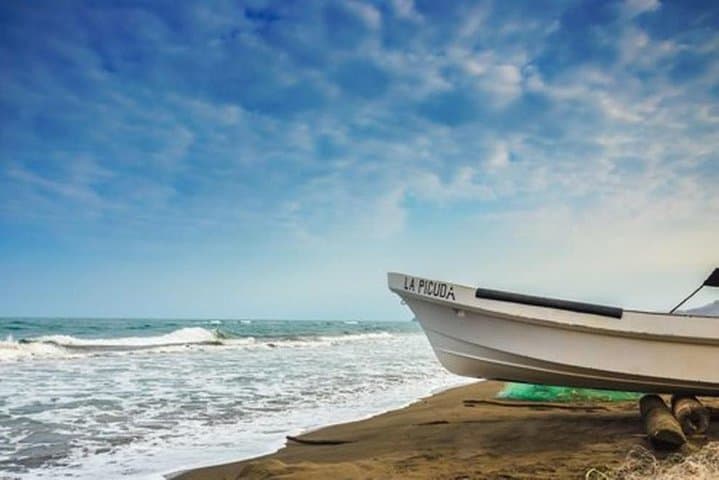
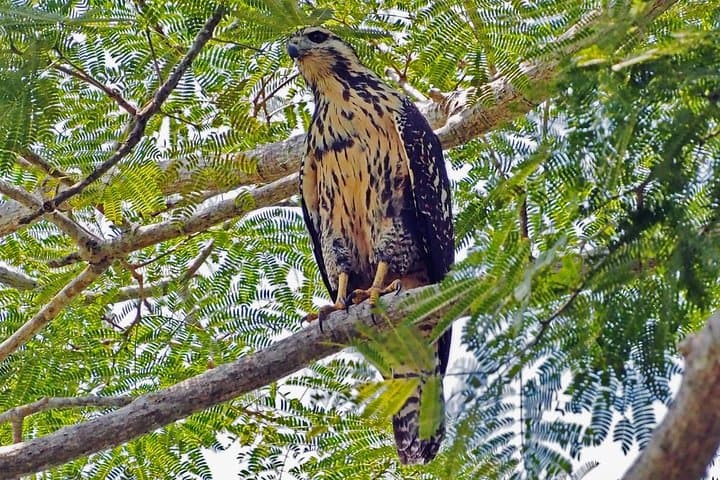
A salt-steeled breeze from the Gulf pushes across low saltflats and mangrove edges as a line of raptors slices the morning light—this is La Mancha, where the sky feels like a highway. Participants meet before dawn and ride in an air-conditioned vehicle toward the La Mancha ecological reserve, stepping out onto levees and scrub to watch columns of hawks, kites and eagles make their fall passage.
Verified experiences and guided adventures in the surrounding area.
Operated by ARENA TOURS · Veracruz, Veracruz
A salt-steeled breeze from the Gulf pushes across low saltflats and mangrove edges as a line of raptors slices the morning light—this is La Mancha, where the sky feels like a highway. Participants meet before dawn and ride in an air-conditioned vehicle toward the La Mancha ecological reserve, stepping out onto levees and scrub to watch columns of hawks, kites and eagles make their fall passage.
La Mancha sits within Veracruz’s vast coastal plain and contains seven distinct ecosystems: marsh, mangrove, coastal lagoon, salt flat, scrub, secondary forest and agricultural mosaic. That mosaic has made the site both an important stopover for migratory birds—an estimated 18 million individuals pass through the corridor—and a working cultural landscape of small farms and fishing camps. Geology here is recent alluvium and coastal sedimentation; tides and freshwater pulses shape feeding flats that attract waterbirds and raptors alike.
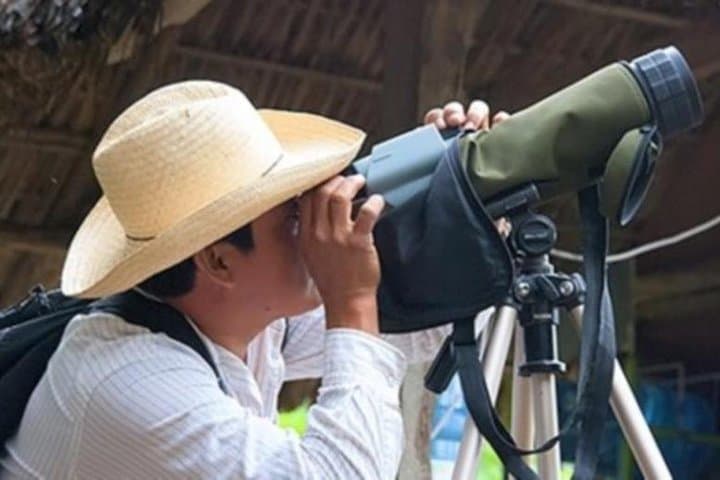
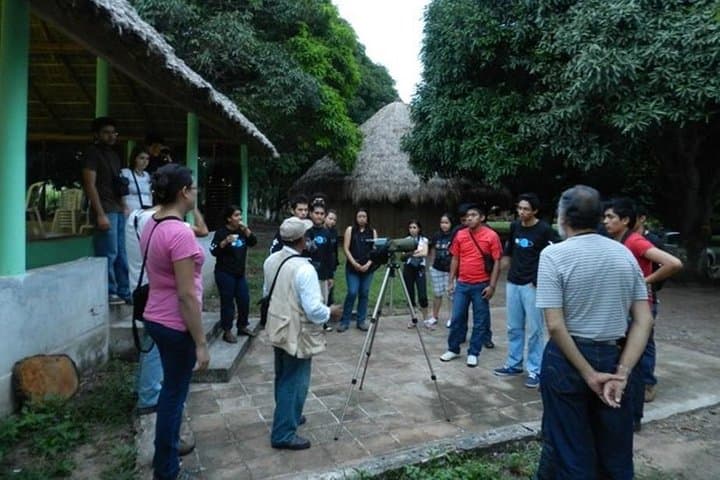
Expect expert local guides—many farmers and reserve researchers—with binoculars on hand, a slow observational cadence, and a typical rural breakfast afterward. The highlight window is August through November for migration; resident species like herons, frigates and roseate spoonbills are visible year-round.
Practical guidance: start very early, wear layered sun protection, bring optics if you have them, and carry water and insect repellent. Paths are mostly flat but uneven; the day lasts about eight hours including transport from Veracruz or Boca del Río. Respect roost sites, keep voices low, and use guide-led spotting protocols to reduce disturbance—this is birding that rewards patience and quiet observation.
easy.
8 hours.
Suitable for most fitness levels; involves low-impact walking on uneven ground for several hours and short periods standing.
Peak migration is generally August through November; mornings are best for large-scale movements when thermals form and birds travel.
Yes—round-trip transport from Veracruz or Boca del Río in an air-conditioned vehicle is included in the tour.
Guides often have binoculars available, but bringing your own optics ensures comfort and better identification.
The tour is rated easy and accessible to most, though there is standing and short walks on uneven ground; infants may sit in strollers but expect some rough surfaces.
La Mancha occupies part of Veracruz’s coastal plain where small-scale agriculture and fishing have coexisted with migratory flyways for generations; local communities now guide and study the corridor.
The reserve balances traditional land use with research and monitoring; visitors are asked to minimize disturbance and follow leave-no-trace practices to protect roosting and feeding areas.
ARENA TOURS operates guided outdoor trips and adventures with an emphasis on safety, stewardship, and memorable experiences.
A salt-steeled breeze from the Gulf pushes across low saltflats and mangrove edges as a line of raptors slices the morning light—this is La Mancha, where the sky feels like a highway. Participants meet before dawn and ride in an air-conditioned vehicle toward the La Mancha ecological reserve, stepping out onto levees and scrub to watch columns of hawks, kites and eagles make their fall passage.
A salt-steeled breeze from the Gulf pushes across low saltflats and mangrove edges as a line of raptors slices the morning light—this is La Mancha, where the sky feels like a highway. Participants meet before dawn and ride in an air-conditioned vehicle toward the La Mancha ecological reserve, stepping out onto levees and scrub to watch columns of hawks, kites and eagles make their fall passage.
La Mancha sits within Veracruz’s vast coastal plain and contains seven distinct ecosystems: marsh, mangrove, coastal lagoon, salt flat, scrub, secondary forest and agricultural mosaic. That mosaic has made the site both an important stopover for migratory birds—an estimated 18 million individuals pass through the corridor—and a working cultural landscape of small farms and fishing camps. Geology here is recent alluvium and coastal sedimentation; tides and freshwater pulses shape feeding flats that attract waterbirds and raptors alike.
Expect expert local guides—many farmers and reserve researchers—with binoculars on hand, a slow observational cadence, and a typical rural breakfast afterward. The highlight window is August through November for migration; resident species like herons, frigates and roseate spoonbills are visible year-round.
Practical guidance: start very early, wear layered sun protection, bring optics if you have them, and carry water and insect repellent. Paths are mostly flat but uneven; the day lasts about eight hours including transport from Veracruz or Boca del Río. Respect roost sites, keep voices low, and use guide-led spotting protocols to reduce disturbance—this is birding that rewards patience and quiet observation.