THE ADVENTURE COLLECTIVE® · Independent discovery and booking for outdoor travel

Scan reedbeds and estuary flats for flamingos, herons and migrants on a guided six‑hour birdwatching programme in Albufeira Lagoon. Small groups, expert local guides, and coastal pickup make this an accessible way to explore Arrábida’s birdlife.
Scan reedbeds and estuary flats for flamingos, herons and migrants on a guided six‑hour birdwatching programme in Albufeira Lagoon. Small groups, expert local guides, and coastal pickup make this an accessible way to explore Arrábida’s birdlife.
The salt-scented air of the Arrábida coast lifts as you step into Albufeira Lagoon at first light. Reeds shiver and the water mirrors the sky; flocks lift and settle like a living map. A guide leads the group along low paths and boardwalks, pausing at hides where the lagoon’s birds allow a careful, respectful gaze.
Verified experiences and guided adventures in the surrounding area.
Operated by Andre Marques · Sesimbra, Setúbal District
The salt-scented air of the Arrábida coast lifts as you step into Albufeira Lagoon at first light. Reeds shiver and the water mirrors the sky; flocks lift and settle like a living map. A guide leads the group along low paths and boardwalks, pausing at hides where the lagoon’s birds allow a careful, respectful gaze.
Arrábida Natural Park is carved from limestone ridges that meet the Atlantic; the lagoon itself is an estuarine pocket shaped by tidal exchange and human salt pans. The area has long been a resource for fishermen and salt collectors, and migratory routes have threaded this coastline for centuries. Local culture still centers on seafood and small harbors—Setúbal’s market remains a good place to taste the region after a morning in the field.
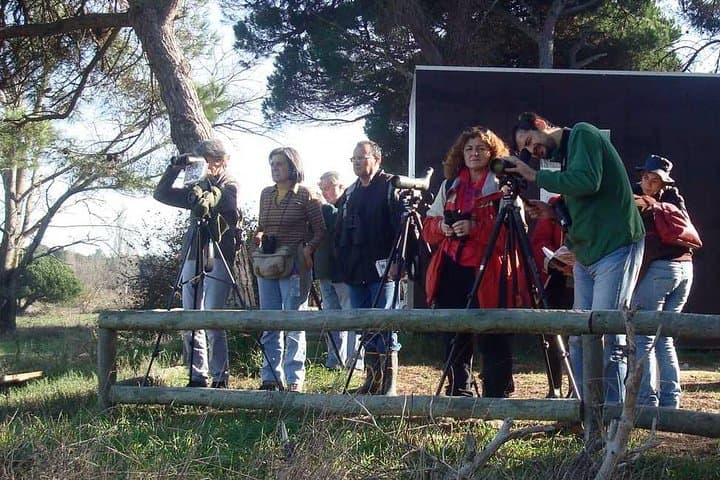
On this guided program expect steady, low-impact walking over flat tracks and occasional wet ground, binoculars tuned to movement. The guide’s role is practical: identify calls, point out plumage differences, and choose vantage points that minimize disturbance during nesting season.
Practical notes: arrive with layered clothing for coastal winds, bring binoculars and a notebook, and allow six hours for pickup, transit, and field time. Tours have small groups and include pickup options; they’re suitable for beginners but ask about mobility needs when booking. Respect roosts, follow your guide’s instructions at hides, and pack out any trash—this patch of coastline is both lively and fragile, and your care keeps it that way.
easy.
6 hours.
Suitable for most fitness levels; requires standing and short walks on flat, sometimes uneven terrain.
No — the tour is suitable for beginners; guides provide identification tips and explain behaviors as you go.
Pickup and drop-off are included; confirm your pickup point when booking and allow time for transfers.
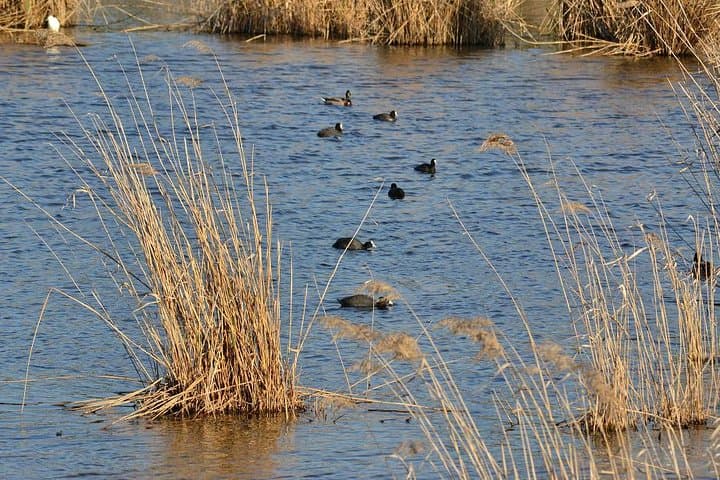
Expect estuary specialists such as herons, egrets, flamingos in season, waders, and a range of passerines during migration periods.
Yes — tours are rated easy and family-friendly, though infants must sit on laps; check minimum group size requirements.
Arrábida Natural Park, established in the 1970s, preserves limestone ridges and coastal ecosystems long used for fishing and salt production.
The lagoon is ecologically sensitive—stay on designated paths, avoid disturbing roosts during breeding season, and pack out all waste to protect habitat.
Andre Marques operates guided outdoor trips and adventures with an emphasis on safety, stewardship, and memorable experiences.
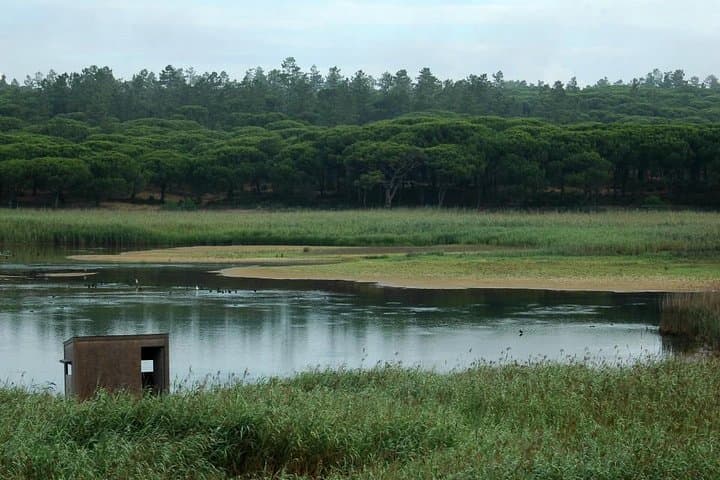
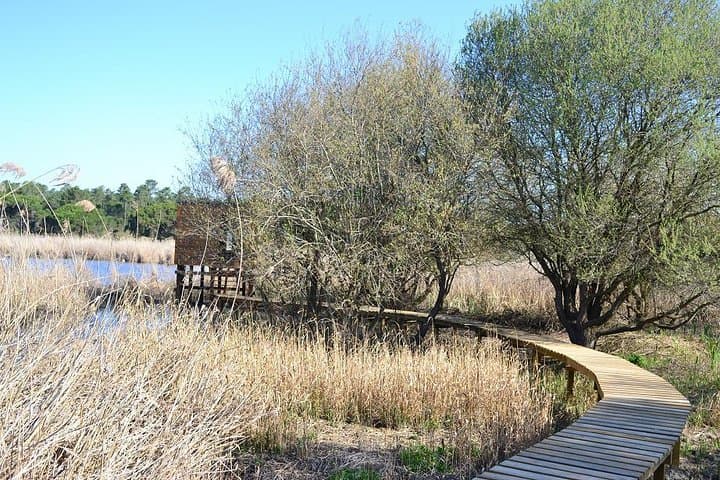
The salt-scented air of the Arrábida coast lifts as you step into Albufeira Lagoon at first light. Reeds shiver and the water mirrors the sky; flocks lift and settle like a living map. A guide leads the group along low paths and boardwalks, pausing at hides where the lagoon’s birds allow a careful, respectful gaze.
The salt-scented air of the Arrábida coast lifts as you step into Albufeira Lagoon at first light. Reeds shiver and the water mirrors the sky; flocks lift and settle like a living map. A guide leads the group along low paths and boardwalks, pausing at hides where the lagoon’s birds allow a careful, respectful gaze.
Arrábida Natural Park is carved from limestone ridges that meet the Atlantic; the lagoon itself is an estuarine pocket shaped by tidal exchange and human salt pans. The area has long been a resource for fishermen and salt collectors, and migratory routes have threaded this coastline for centuries. Local culture still centers on seafood and small harbors—Setúbal’s market remains a good place to taste the region after a morning in the field.
On this guided program expect steady, low-impact walking over flat tracks and occasional wet ground, binoculars tuned to movement. The guide’s role is practical: identify calls, point out plumage differences, and choose vantage points that minimize disturbance during nesting season.
Practical notes: arrive with layered clothing for coastal winds, bring binoculars and a notebook, and allow six hours for pickup, transit, and field time. Tours have small groups and include pickup options; they’re suitable for beginners but ask about mobility needs when booking. Respect roosts, follow your guide’s instructions at hides, and pack out any trash—this patch of coastline is both lively and fragile, and your care keeps it that way.