THE ADVENTURE COLLECTIVE® · Independent discovery and booking for outdoor travel

A slow boat through the Nemunas Delta brings you within boat-length of cormorant colonies, herons and nesting storks on the Curonian Lagoon. This guided wildlife cruise blends geology, local fishing culture and focused birding for an immersive half-day on the water.
A slow boat through the Nemunas Delta brings you within boat-length of cormorant colonies, herons and nesting storks on the Curonian Lagoon. This guided wildlife cruise blends geology, local fishing culture and focused birding for an immersive half-day on the water.
Morning fog lifts off the Curonian Lagoon and the reed beds seem to lean forward as the boat slips from a low quay near Rusnė. The air smells of river silt and salt; gulls wheel and a distant stork clacks from its nest. A guided boat cuts slow channels through the delta, bringing you face-to-face with cormorant colonies perched like dark punctuation marks on old posts and herons that unfurl and judge your approach.
Verified experiences and guided adventures in the surrounding area.
Morning fog lifts off the Curonian Lagoon and the reed beds seem to lean forward as the boat slips from a low quay near Rusnė. The air smells of river silt and salt; gulls wheel and a distant stork clacks from its nest. A guided boat cuts slow channels through the delta, bringing you face-to-face with cormorant colonies perched like dark punctuation marks on old posts and herons that unfurl and judge your approach.
This landscape is the working result of the Nemunas River depositing centuries of sediment where it meets the Baltic—shallow lagoons, reed islands and meandering channels created by steady geologic patience. The human history here is practical: fishing villages, reed harvesting, and the shared rhythms of tidal flows. Storks are part of local lore; their nests on rooftops mark seasons and safe homesteads.
Expect long stretches of quiet observation punctuated by bursts of activity as flocks lift or a marsh harrier rides an updraft. The guide will interpret calls and point out nesting colonies while you learn how boats must skirt shallows to avoid disturbing nests—currents push you gently but deliberately through the maze.
Practical notes: tours run best at dawn or late afternoon for light and active birds; bring binoculars and a telephoto, dress in layers and neutral colors, and prepare for wind and spray. Facilities on small boats are limited, so pack water, snacks, and seasickness remedies if you’re sensitive. Keep distance from nesting sites and follow the guide’s directions—this preserves the birds’ behavior and your view.
easy.
5–6 hours.
Light physical demand—able to board a small boat and sit/stand for several hours; moderate balance recommended
Tours commonly embark from small quays near Rusnė or from Klaipėda depending on operator logistics—confirm your meeting point when booking.
Expect great cormorants, grey herons, white storks and a variety of waterfowl and waders; spring and fall migrations add passerines and raptors.
Yes—children who can sit quietly and board safely are fine; bring life-jacket-compatible clothing and check age policies with the operator.
Some tours provide guides and basic optics, but bringing your own binoculars and a small spotting scope yields the best experience.
The Nemunas Delta formed from centuries of river-borne sediment; the area has long supported reed harvesting, fishing communities and seasonal migration routes.
Nemunas Delta Regional Park protects sensitive nesting colonies—sticking to boat channels and obeying approach limits reduces disturbance and helps preserve habitat.
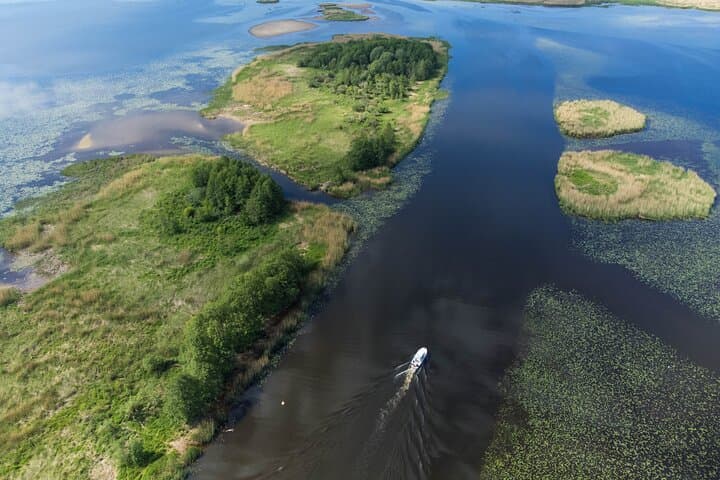
Morning fog lifts off the Curonian Lagoon and the reed beds seem to lean forward as the boat slips from a low quay near Rusnė. The air smells of river silt and salt; gulls wheel and a distant stork clacks from its nest. A guided boat cuts slow channels through the delta, bringing you face-to-face with cormorant colonies perched like dark punctuation marks on old posts and herons that unfurl and judge your approach.
Morning fog lifts off the Curonian Lagoon and the reed beds seem to lean forward as the boat slips from a low quay near Rusnė. The air smells of river silt and salt; gulls wheel and a distant stork clacks from its nest. A guided boat cuts slow channels through the delta, bringing you face-to-face with cormorant colonies perched like dark punctuation marks on old posts and herons that unfurl and judge your approach.
This landscape is the working result of the Nemunas River depositing centuries of sediment where it meets the Baltic—shallow lagoons, reed islands and meandering channels created by steady geologic patience. The human history here is practical: fishing villages, reed harvesting, and the shared rhythms of tidal flows. Storks are part of local lore; their nests on rooftops mark seasons and safe homesteads.
Expect long stretches of quiet observation punctuated by bursts of activity as flocks lift or a marsh harrier rides an updraft. The guide will interpret calls and point out nesting colonies while you learn how boats must skirt shallows to avoid disturbing nests—currents push you gently but deliberately through the maze.
Practical notes: tours run best at dawn or late afternoon for light and active birds; bring binoculars and a telephoto, dress in layers and neutral colors, and prepare for wind and spray. Facilities on small boats are limited, so pack water, snacks, and seasickness remedies if you’re sensitive. Keep distance from nesting sites and follow the guide’s directions—this preserves the birds’ behavior and your view.