THE ADVENTURE COLLECTIVE® · Independent discovery and booking for outdoor travel

Spend a full day tracking endemic Western Ghats birds on Kodachadri’s forested ridgelines. This guided tour highlights hornbills, whistling thrushes and other regional specialties with practical tips for field observation.
Spend a full day tracking endemic Western Ghats birds on Kodachadri’s forested ridgelines. This guided tour highlights hornbills, whistling thrushes and other regional specialties with practical tips for field observation.
Fog lifts off the trail as the first calls of Malabar Whistling Thrush cut through damp air. On a day at Kodachadri, the Western Ghats open like a living field guide: evergreen shola pockets, steep ridgelines, and the constant presence of birds that claim these slopes.
Verified experiences and guided adventures in the surrounding area.
Operated by PlaceXplore · Kollur, Karnataka
Fog lifts off the trail as the first calls of Malabar Whistling Thrush cut through damp air. On a day at Kodachadri, the Western Ghats open like a living field guide: evergreen shola pockets, steep ridgelines, and the constant presence of birds that claim these slopes.
Kodachadri sits on the western edge of the Ghats, a range shaped by ancient volcanic activity and heavy monsoon erosion. That geology produced the steep, forested slopes and streams that make the area rich in endemic species. Culturally the hills surround small temple towns—pilgrims and farmers have shared this landscape with wildlife for generations, and local conservation measures help protect breeding grounds.
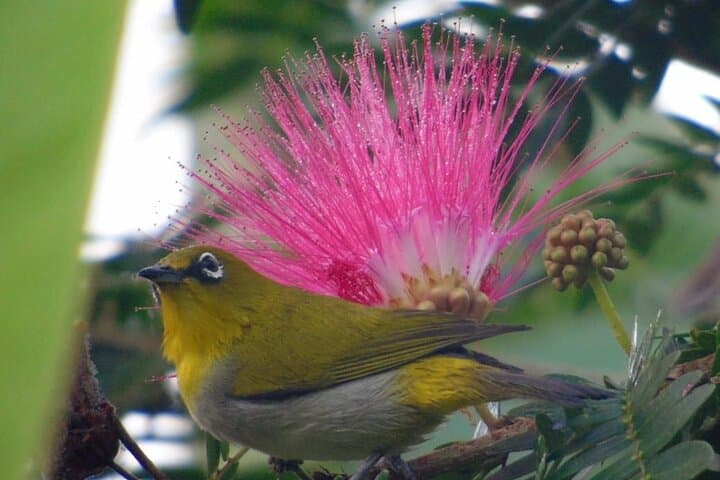
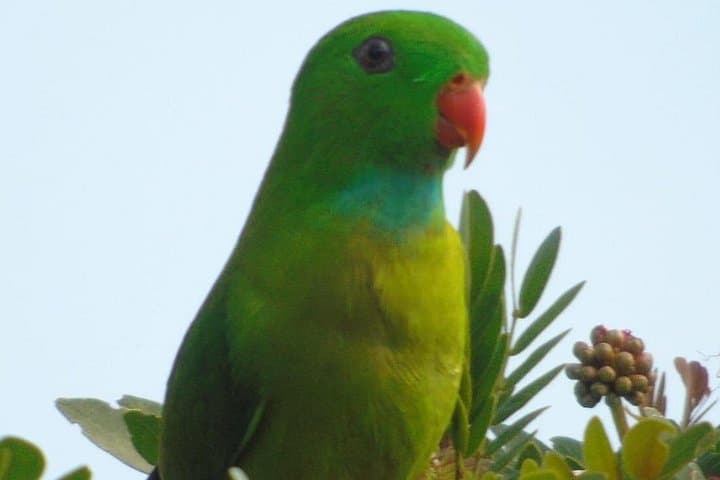
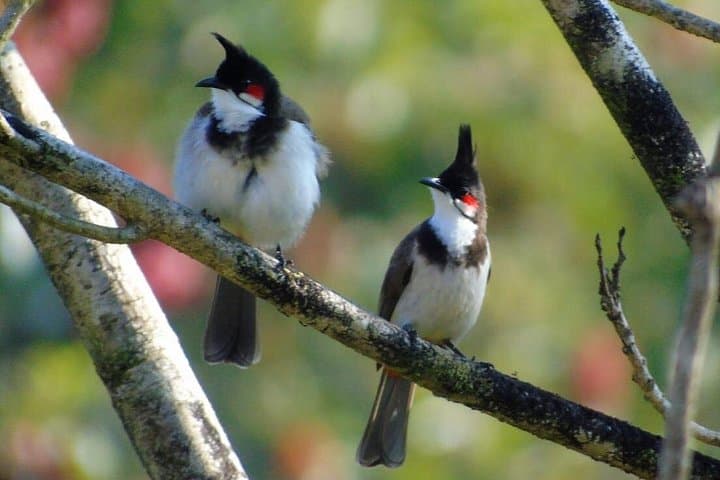
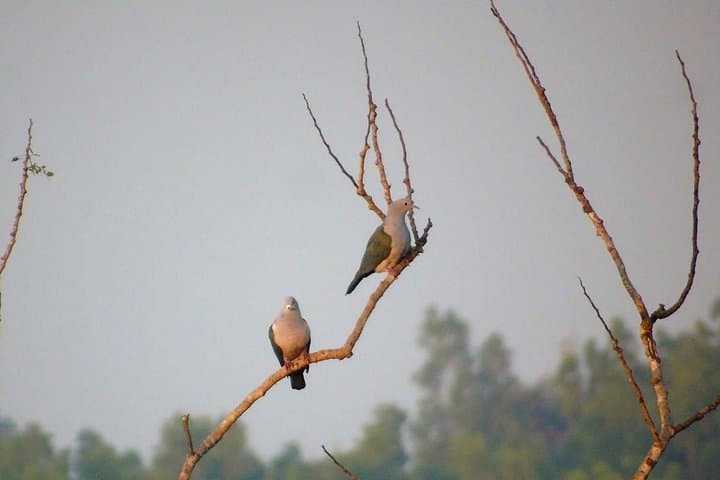
Expect point-blank views of hornbills cruising the canopy, green pigeons beating along ridgelines, and secretive trogons in the understory. The tour targets endemics of the Western Ghats and southern India—Malabar Grey Hornbill, Malabar Trogon, and Yellow-browed Bulbul among them—while also pointing out common forest mammals and plant communities.
Practical guidance: start at dawn when bird activity peaks; wear grippy shoes for mossy, sometimes slippery trails; carry binoculars and a field guide or app for calls. The route can be wet and muddy during monsoon, and some viewpoints require steady footing and a short climb. Public transport reaches nearby towns, and many itineraries include breakfast and basic accommodation. Note that bookings often require two people and guides will emphasize low-impact viewing and quiet observation to avoid disturbing nests.
The operator requires a minimum of two people per booking to run the tour.
Operator notes indicate wheelchair-accessible options for some areas and transport, but main birding routes include uneven forest trails not suited to wheelchairs.
Early morning in the dry season (post-monsoon through winter) offers the most reliable visibility and vocal activity; monsoon brings breeding activity but slippery conditions.
Guided tours are standard; guides typically speak regional languages and basic English—confirm language needs at booking.
PlaceXplore operates guided outdoor trips and adventures with an emphasis on safety, stewardship, and memorable experiences.
Fog lifts off the trail as the first calls of Malabar Whistling Thrush cut through damp air. On a day at Kodachadri, the Western Ghats open like a living field guide: evergreen shola pockets, steep ridgelines, and the constant presence of birds that claim these slopes.
Fog lifts off the trail as the first calls of Malabar Whistling Thrush cut through damp air. On a day at Kodachadri, the Western Ghats open like a living field guide: evergreen shola pockets, steep ridgelines, and the constant presence of birds that claim these slopes.
Kodachadri sits on the western edge of the Ghats, a range shaped by ancient volcanic activity and heavy monsoon erosion. That geology produced the steep, forested slopes and streams that make the area rich in endemic species. Culturally the hills surround small temple towns—pilgrims and farmers have shared this landscape with wildlife for generations, and local conservation measures help protect breeding grounds.
Expect point-blank views of hornbills cruising the canopy, green pigeons beating along ridgelines, and secretive trogons in the understory. The tour targets endemics of the Western Ghats and southern India—Malabar Grey Hornbill, Malabar Trogon, and Yellow-browed Bulbul among them—while also pointing out common forest mammals and plant communities.
Practical guidance: start at dawn when bird activity peaks; wear grippy shoes for mossy, sometimes slippery trails; carry binoculars and a field guide or app for calls. The route can be wet and muddy during monsoon, and some viewpoints require steady footing and a short climb. Public transport reaches nearby towns, and many itineraries include breakfast and basic accommodation. Note that bookings often require two people and guides will emphasize low-impact viewing and quiet observation to avoid disturbing nests.