THE ADVENTURE COLLECTIVE® · Independent discovery and booking for outdoor travel

Glide through Cambodia’s Boeng Pearaing wetlands on a private boat tour from Siem Reap. See rare waterbirds, visit a traditional rice winery and learn from local guides about breeding, migration and community conservation.
Glide through Cambodia’s Boeng Pearaing wetlands on a private boat tour from Siem Reap. See rare waterbirds, visit a traditional rice winery and learn from local guides about breeding, migration and community conservation.
You leave Siem Reap before the heat builds, the road opening into broad rice fields dotted with palms and waterworn paths. The air smells of wet earth and frying shallots; cattle lift a indifferent head. After a short drive and a stop at a family-run rice winery, the world narrows to reeds and the slow chug of a wooden boat as it slips into Boeng Pearaing.
Verified experiences and guided adventures in the surrounding area.
Operated by Journey2 Angkor · Siem Reap, Siem Reap Province
You leave Siem Reap before the heat builds, the road opening into broad rice fields dotted with palms and waterworn paths. The air smells of wet earth and frying shallots; cattle lift a indifferent head. After a short drive and a stop at a family-run rice winery, the world narrows to reeds and the slow chug of a wooden boat as it slips into Boeng Pearaing.
Boeng Pearaing sits on the edge of Tonle Sap’s seasonal reach: a shallow wetland that swells and recedes with the rains, feeding a rich food web. The area’s rice-wine making has roots in local practice stretching back generations, and nearby markets still trade by voice and scale rather than scanner. Local guides here are part naturalist, part storyteller—able to point out breeding habits, migration routes and the delicate balance that keeps threatened species afloat.
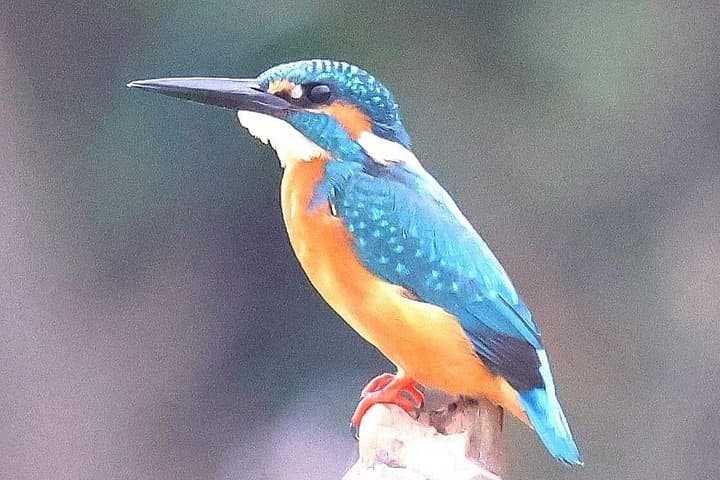
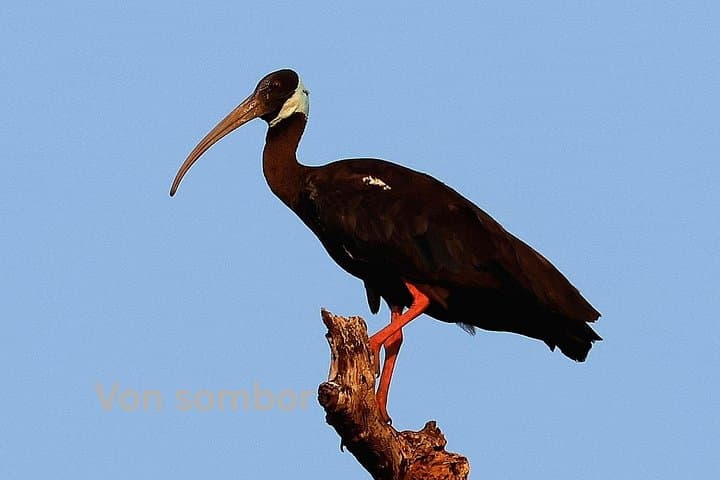
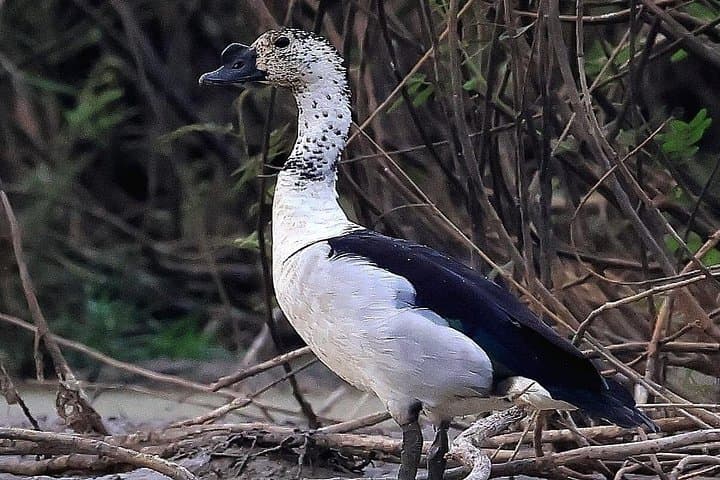
Expect a gentle, wildlife-focused outing: a one-hour-plus boat glide through reed beds where comb ducks, purple swamphens, cormorants and grey herons stalk edges and darters plunge like needles. The tour includes hotel pickup, bottled water and a home-hosted lunch — practical comforts against sticky heat.
Practical tips: bring binoculars and a telephoto, sun protection and insect repellent, and a light rain layer in monsoon months. The route is low-effort (suitable for most fitness levels) but requires steady footing on a boat. For photographers, the best light is early morning; for bird diversity, visit in the dry season from January through May. Respect quiet zones, keep distance from nests and support local conservation by following your guide’s instructions.
easy.
4 hours.
Minimal aerobic fitness required; participants should be able to board a small boat and walk short uneven paths
The wetland cruise is about 60–90 minutes, depending on bird activity and water levels.
Yes — the tour is low-impact and suitable for most ages, though boat entry requires basic balance and mobility.
The dry season, particularly January through May, typically offers the best visibility and greater concentrations of waterbirds.
Yes — the tour includes a local family-hosted lunch, bottled water and all entrance tickets as listed in the itinerary.
Local rice-wine production and wetland agriculture reflect generations-old practices; villagers have long adapted to the Tonle Sap’s annual flood pulse.
Boeng Pearaing relies on community-based protection; visitors are asked to keep noise low and follow guide instructions to reduce disturbance to nesting and feeding birds.
Journey2 Angkor operates guided outdoor trips and adventures with an emphasis on safety, stewardship, and memorable experiences.
You leave Siem Reap before the heat builds, the road opening into broad rice fields dotted with palms and waterworn paths. The air smells of wet earth and frying shallots; cattle lift a indifferent head. After a short drive and a stop at a family-run rice winery, the world narrows to reeds and the slow chug of a wooden boat as it slips into Boeng Pearaing.
You leave Siem Reap before the heat builds, the road opening into broad rice fields dotted with palms and waterworn paths. The air smells of wet earth and frying shallots; cattle lift a indifferent head. After a short drive and a stop at a family-run rice winery, the world narrows to reeds and the slow chug of a wooden boat as it slips into Boeng Pearaing.
Boeng Pearaing sits on the edge of Tonle Sap’s seasonal reach: a shallow wetland that swells and recedes with the rains, feeding a rich food web. The area’s rice-wine making has roots in local practice stretching back generations, and nearby markets still trade by voice and scale rather than scanner. Local guides here are part naturalist, part storyteller—able to point out breeding habits, migration routes and the delicate balance that keeps threatened species afloat.
Expect a gentle, wildlife-focused outing: a one-hour-plus boat glide through reed beds where comb ducks, purple swamphens, cormorants and grey herons stalk edges and darters plunge like needles. The tour includes hotel pickup, bottled water and a home-hosted lunch — practical comforts against sticky heat.
Practical tips: bring binoculars and a telephoto, sun protection and insect repellent, and a light rain layer in monsoon months. The route is low-effort (suitable for most fitness levels) but requires steady footing on a boat. For photographers, the best light is early morning; for bird diversity, visit in the dry season from January through May. Respect quiet zones, keep distance from nests and support local conservation by following your guide’s instructions.