THE ADVENTURE COLLECTIVE® · Independent discovery and booking for outdoor travel

Walk the Senjogahara plateau at a bird's pace, then contrast upland marshland birding with the ornate Edo architecture of Nikko Toshogu Shrine and Rinno-ji. This guided day tour pairs easy wildlife hikes with cultural visits for a compact Oku-Nikko experience.
Walk the Senjogahara plateau at a bird's pace, then contrast upland marshland birding with the ornate Edo architecture of Nikko Toshogu Shrine and Rinno-ji. This guided day tour pairs easy wildlife hikes with cultural visits for a compact Oku-Nikko experience.
A cool mist lifts off the Senjogahara plateau as you step onto a boardwalk that threads through pulse-quiet marsh and dwarf pines. The air smells faintly of peat and cedar; birdsong slices the silence—sharp, deliberate, full of purpose. This full-day outing moves slowly from Akanuma across the plateau toward Yudaki, pausing for close views of territorial males and furtive robins beneath tall birches.
Verified experiences and guided adventures in the surrounding area.
Operated by KAZE TRAVEL JAPAN · Nikko, Tochigi
A cool mist lifts off the Senjogahara plateau as you step onto a boardwalk that threads through pulse-quiet marsh and dwarf pines. The air smells faintly of peat and cedar; birdsong slices the silence—sharp, deliberate, full of purpose. This full-day outing moves slowly from Akanuma across the plateau toward Yudaki, pausing for close views of territorial males and furtive robins beneath tall birches.
Senjogahara sits inside Nikko National Park, an upland plain formed by volcanic activity and lake-driven wetlands at the headwaters of the Kinu River. The area’s mix of marsh, open meadow, and old-growth fringe creates rich edge habitat that attracts flycatchers, snipe, and woodpeckers during spring migration and breeding seasons. After a plateau walk and a locally made lunchbox, the tour shifts cultural gears with visits to Nikko Toshogu Shrine and Rinno-ji—Edo-period shrines and temples where lacquered carvings and gilt details reflect centuries of patronage and regional craft.
Practical notes: the trail is well maintained and largely flat, covering several kilometers with minimal elevation change; expect three to four hours of easy walking plus transport time for a ~6–7 hour day. Binoculars and a telescope are provided for groups, but bring your own optics if you prefer. Wear waterproof layers, sturdy shoes with good tread, and insect protection in warmer months. Mornings are best for active songbirds; afternoons are ideal for shrine visits when crowds thin. This trip suits photographers and first-time birders who want a compact, low-impact immersion in Oku-Nikko’s wildlife and cultural highlights.
easy.
6–7 hours.
Suitable for most fitness levels; involves 3–4 hours of slow walking on flat, well-maintained trails.
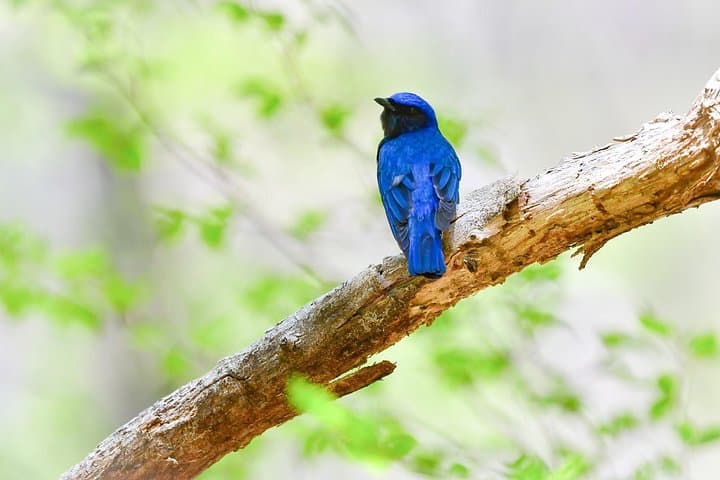
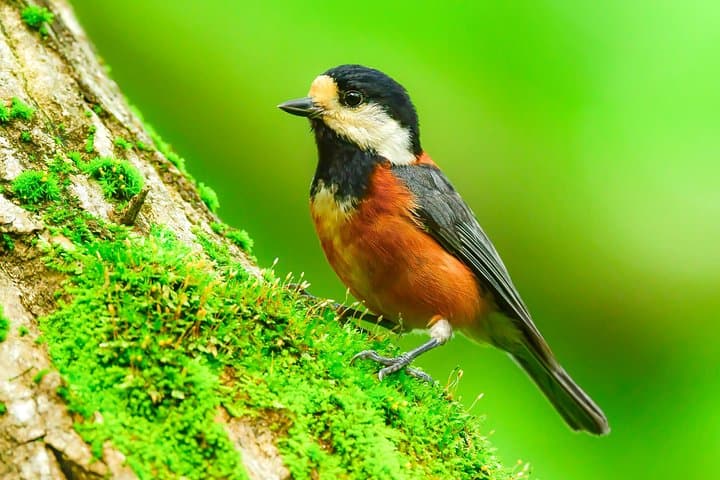
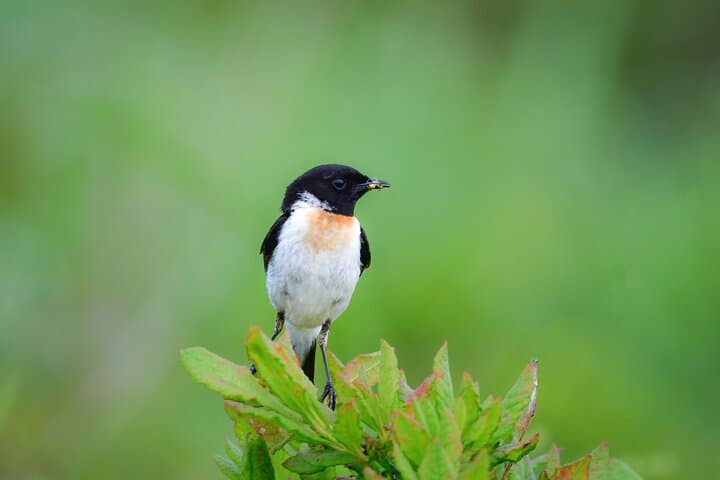
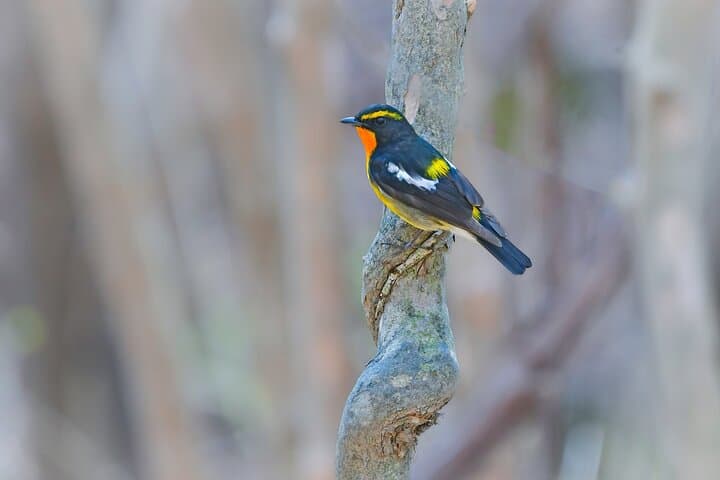
On a typical spring or early-summer day you can see a dozen common species and several migrants, including Narcissus Flycatcher, Blue-and-White Flycatcher, Siberian Blue Robin, and possibly Latham’s snipe.
Yes—paths are mostly flat and well maintained; the pace is slow with frequent stops, but participants with mobility issues should check accessibility ahead of booking.
The tour supplies two binoculars and one telescope for the group, but many guests bring personal binoculars for convenience.
The itinerary combines both; separate shrine-only visits are possible independently, but this tour embeds cultural visits as part of the full-day experience.
Nikko Toshogu and Rinno-ji date to the Edo period and house important carved and gilded works commissioned by Tokugawa-era authorities, reflecting Nikko’s long role as a political and spiritual center.
Senjogahara’s marshes are sensitive peatland habitats—stick to boardwalks, avoid trampling vegetation, and follow leave-no-trace practices to minimize visitor impact.
KAZE TRAVEL JAPAN operates guided outdoor trips and adventures with an emphasis on safety, stewardship, and memorable experiences.
A cool mist lifts off the Senjogahara plateau as you step onto a boardwalk that threads through pulse-quiet marsh and dwarf pines. The air smells faintly of peat and cedar; birdsong slices the silence—sharp, deliberate, full of purpose. This full-day outing moves slowly from Akanuma across the plateau toward Yudaki, pausing for close views of territorial males and furtive robins beneath tall birches.
A cool mist lifts off the Senjogahara plateau as you step onto a boardwalk that threads through pulse-quiet marsh and dwarf pines. The air smells faintly of peat and cedar; birdsong slices the silence—sharp, deliberate, full of purpose. This full-day outing moves slowly from Akanuma across the plateau toward Yudaki, pausing for close views of territorial males and furtive robins beneath tall birches.
Senjogahara sits inside Nikko National Park, an upland plain formed by volcanic activity and lake-driven wetlands at the headwaters of the Kinu River. The area’s mix of marsh, open meadow, and old-growth fringe creates rich edge habitat that attracts flycatchers, snipe, and woodpeckers during spring migration and breeding seasons. After a plateau walk and a locally made lunchbox, the tour shifts cultural gears with visits to Nikko Toshogu Shrine and Rinno-ji—Edo-period shrines and temples where lacquered carvings and gilt details reflect centuries of patronage and regional craft.
Practical notes: the trail is well maintained and largely flat, covering several kilometers with minimal elevation change; expect three to four hours of easy walking plus transport time for a ~6–7 hour day. Binoculars and a telescope are provided for groups, but bring your own optics if you prefer. Wear waterproof layers, sturdy shoes with good tread, and insect protection in warmer months. Mornings are best for active songbirds; afternoons are ideal for shrine visits when crowds thin. This trip suits photographers and first-time birders who want a compact, low-impact immersion in Oku-Nikko’s wildlife and cultural highlights.