THE ADVENTURE COLLECTIVE® · Independent discovery and booking for outdoor travel

Board a small boat from Las Negras and watch the lagoon ignite with bioluminescent life — tiny organisms that flash like stars when disturbed. This 2–3 hour evening trip from Puerto Escondido mixes quiet natural spectacle with local coastal context and practical on-water guidance.
Board a small boat from Las Negras and watch the lagoon ignite with bioluminescent life — tiny organisms that flash like stars when disturbed. This 2–3 hour evening trip from Puerto Escondido mixes quiet natural spectacle with local coastal context and practical on-water guidance.
Night falls and the mangrove line becomes a silhouette; the boat slips away from Las Negras and the lagoon opens like dark glass. Paddle-stirring wakes bloom into tiny lights — each disturbance a brief star — and the water seems to answer your footsteps with its own weather of sparks. The experience is quiet and startling: microorganisms pulse when touched, turning motion into light so the lagoon appears to breathe.
Verified experiences and guided adventures in the surrounding area.
Operated by Mexitours · Puerto Escondido, Oaxaca
Night falls and the mangrove line becomes a silhouette; the boat slips away from Las Negras and the lagoon opens like dark glass. Paddle-stirring wakes bloom into tiny lights — each disturbance a brief star — and the water seems to answer your footsteps with its own weather of sparks. The experience is quiet and startling: microorganisms pulse when touched, turning motion into light so the lagoon appears to breathe.
The lagoon near Puerto Escondido is part of a coastal estuary system shaped by river sediment and coastal currents, where mangroves and tidal flats meet the sea. Local fishing communities have used these waters for generations; tonight’s tour folds practical knowledge — small-boat handling and local guides — into a sensory show driven by biology rather than spectacle. The phenomenon is strongest on dark, moonless nights when warm, nutrient-rich water and calm conditions let bioluminescent dinoflagellates concentrate near the surface.
Practically: tours run about 2–3 hours with hotel pick-up from Puerto Escondido, a short drive to Las Negras, a brief walk, and a boat into the lagoon. Wear closed-toe water shoes for the walk, bring insect repellent and a light wind layer, and use only red or dim lights so your presence doesn’t wash out the glow. Avoid flash photography and swimming unless the guide confirms it’s safe — the show is best seen from the water and left undisturbed. Expect shared boats and bilingual guides; conditions vary with tide, moon phase, and weather. Respect the lagoon: low-impact behavior protects the organisms that make the night come alive.
easy.
2–3 hours.
Suitable for most fitness levels; requires a short walk and steady balance getting on/off small boats.
The best conditions are dark, moonless nights with calm water; tours typically run after sunset and visibility improves on nights with little moonlight.
Rules vary by operator; many discourage or prohibit swimming to protect both guests and the phenomenon—ask your guide before entering the water.
Expect 2–3 hours total including hotel pickup, a short walk from Las Negras, and the boat excursion; hotel transfers and a bilingual guide are commonly included.
Facilities at launch points are often basic or absent; cell signal can be spotty around the lagoon—plan accordingly and use hotel restrooms before departure.
The lagoon has long supported local fishing communities and mangrove-based livelihoods; its ecology is shaped by freshwater inflow and Pacific tides.
Tours function best when visitors minimize light and disturbance; avoiding single-use plastics and following guide instructions helps protect the plankton and mangrove habitat.
Mexitours operates guided outdoor trips and adventures with an emphasis on safety, stewardship, and memorable experiences.
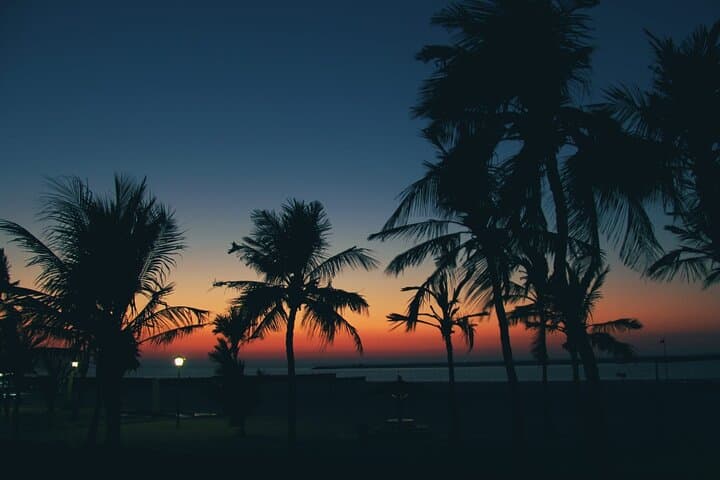
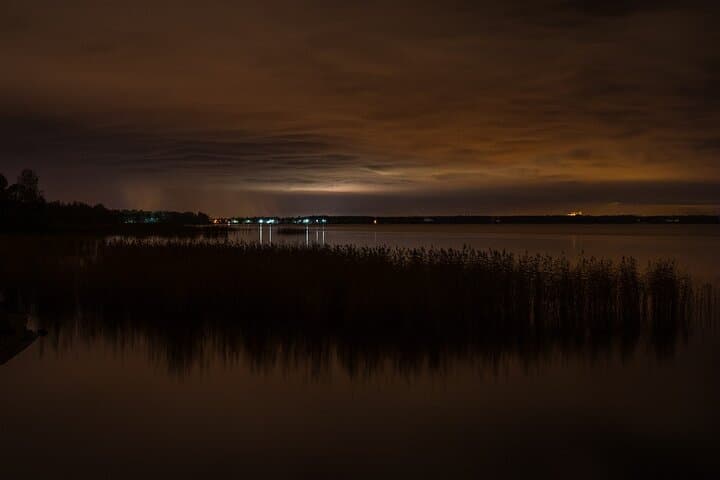
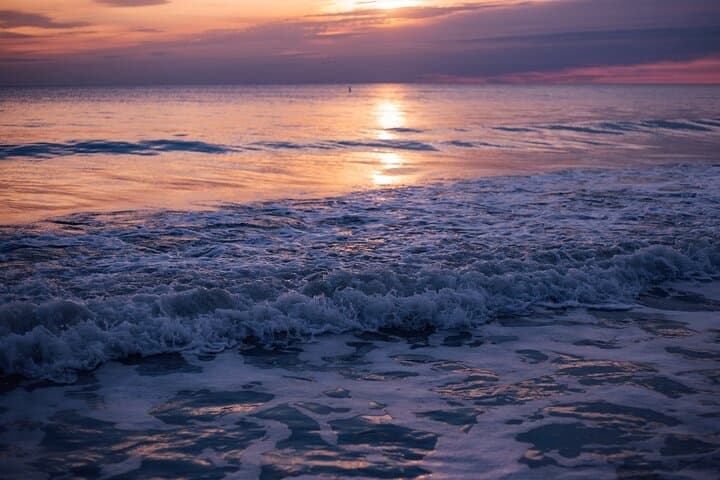
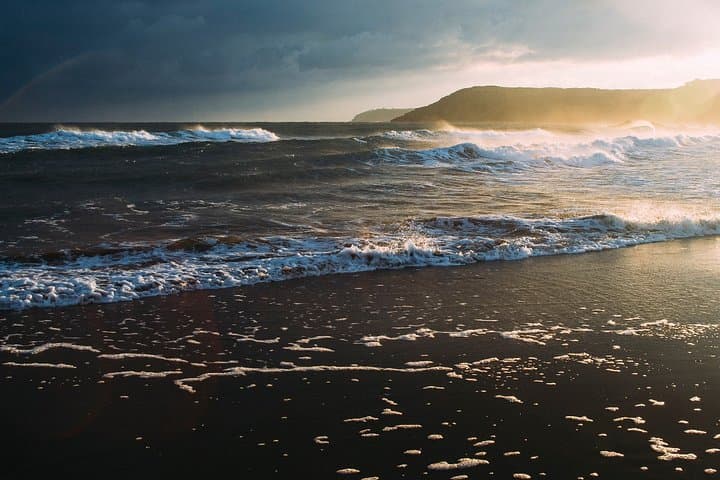
Night falls and the mangrove line becomes a silhouette; the boat slips away from Las Negras and the lagoon opens like dark glass. Paddle-stirring wakes bloom into tiny lights — each disturbance a brief star — and the water seems to answer your footsteps with its own weather of sparks. The experience is quiet and startling: microorganisms pulse when touched, turning motion into light so the lagoon appears to breathe.
Night falls and the mangrove line becomes a silhouette; the boat slips away from Las Negras and the lagoon opens like dark glass. Paddle-stirring wakes bloom into tiny lights — each disturbance a brief star — and the water seems to answer your footsteps with its own weather of sparks. The experience is quiet and startling: microorganisms pulse when touched, turning motion into light so the lagoon appears to breathe.
The lagoon near Puerto Escondido is part of a coastal estuary system shaped by river sediment and coastal currents, where mangroves and tidal flats meet the sea. Local fishing communities have used these waters for generations; tonight’s tour folds practical knowledge — small-boat handling and local guides — into a sensory show driven by biology rather than spectacle. The phenomenon is strongest on dark, moonless nights when warm, nutrient-rich water and calm conditions let bioluminescent dinoflagellates concentrate near the surface.
Practically: tours run about 2–3 hours with hotel pick-up from Puerto Escondido, a short drive to Las Negras, a brief walk, and a boat into the lagoon. Wear closed-toe water shoes for the walk, bring insect repellent and a light wind layer, and use only red or dim lights so your presence doesn’t wash out the glow. Avoid flash photography and swimming unless the guide confirms it’s safe — the show is best seen from the water and left undisturbed. Expect shared boats and bilingual guides; conditions vary with tide, moon phase, and weather. Respect the lagoon: low-impact behavior protects the organisms that make the night come alive.