THE ADVENTURE COLLECTIVE® · Independent discovery and booking for outdoor travel

Paddle through a mangrove channel into Laguna Grande and watch the water light up with bioluminescent organisms. This two-hour guided night tour pairs gentle kayaking with an interpretive talk on the bay’s fragile ecosystem.
Paddle through a mangrove channel into Laguna Grande and watch the water light up with bioluminescent organisms. This two-hour guided night tour pairs gentle kayaking with an interpretive talk on the bay’s fragile ecosystem.
The night is close and the mangrove channel narrows to a dark slit; guide voices and paddle taps are the only interruptions before the lagoon opens like a sky of grounded stars. Paddles dip and the water answers in electric strokes—tiny organisms lighting each ripple as the group glides into Laguna Grande.
Verified experiences and guided adventures in the surrounding area.
Operated by Eco Adventures · Fajardo, Puerto Rico
The night is close and the mangrove channel narrows to a dark slit; guide voices and paddle taps are the only interruptions before the lagoon opens like a sky of grounded stars. Paddles dip and the water answers in electric strokes—tiny organisms lighting each ripple as the group glides into Laguna Grande.
This bay sits on the northeastern coast of Puerto Rico where carbonate sediments, sheltered mangrove roots, and low tidal exchange create conditions favorable to dinoflagellates. The local community of Las Croabas and Fajardo have long used these waterways for fishing and transport; today guides fold natural history and cultural notes into the launch briefing so visitors understand both biology and local stewardship.
Expect a calm, guided, roughly one-mile paddle through a mangrove channel to reach the lagoon, then a talk on the ecosystem and human impacts. The glow is impressive but not guaranteed—bioluminescence varies with weather, season, and nutrient changes.
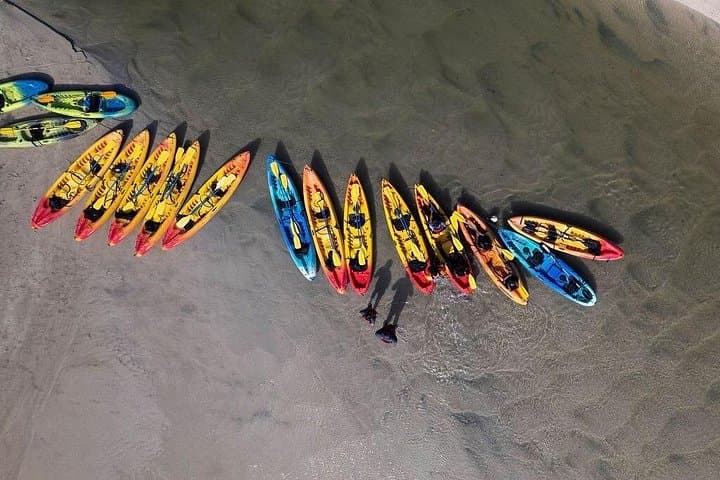
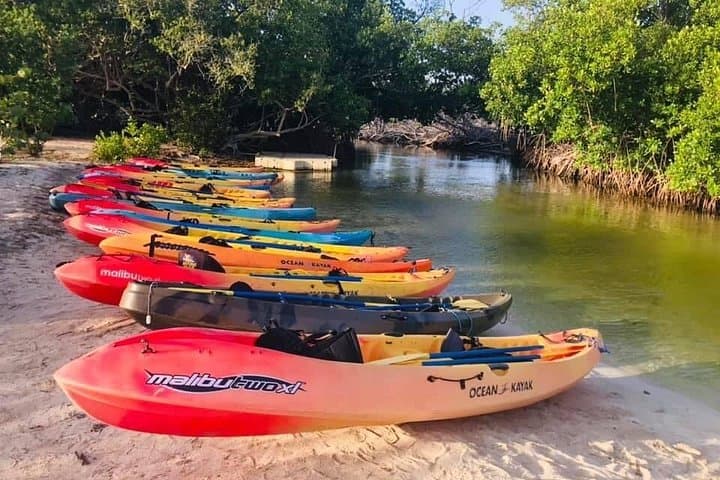
Practical details: tours run about two hours and accommodate beginners; guides provide kayaks, bottled water, and snacks. Wear quick-dry clothing, closed-toe water shoes, and leave bright lights off until the guide signals. Keep movements slow and follow minimum-disturbance rules—this fragile bay depends on careful visitation.
Timing after sunset, small group sizes, and an experienced guide increase the chances of memorable sightings. For photographers, long exposures from shore or specialized camera housings are best; avoid flash. The experience blends a compact night paddle with an accessible natural spectacle—part adventure, part lesson in coastal ecology.
easy.
2 hours.
Suitable for beginners and most fitness levels; ability to sit and paddle for short periods is enough
No—the intensity varies with weather, water conditions, and ecological factors; guides maximize chances but cannot guarantee brightness.
Children are allowed but tours typically restrict those under 5 years old for safety and stability reasons; check operator age rules when booking.
Yes—bring a camera capable of long exposures or a high-ISO setting; avoid flash and follow guide instructions to protect the bay.
The operator lists wheelchair accessibility for check-in areas, but launching and paddling require transferring into a kayak; contact the operator to discuss specific accessibility needs.
Local communities around Fajardo have relied on mangrove channels for centuries; Laguna Grande’s name and use reflect indigenous and Spanish-era navigation and fishing traditions.
Bioluminescent bays are sensitive to nutrient runoff, light pollution, and boat traffic—operators promote low-impact practices and limit disturbance to protect the dinoflagellate populations.
Eco Adventures operates guided outdoor trips and adventures with an emphasis on safety, stewardship, and memorable experiences.
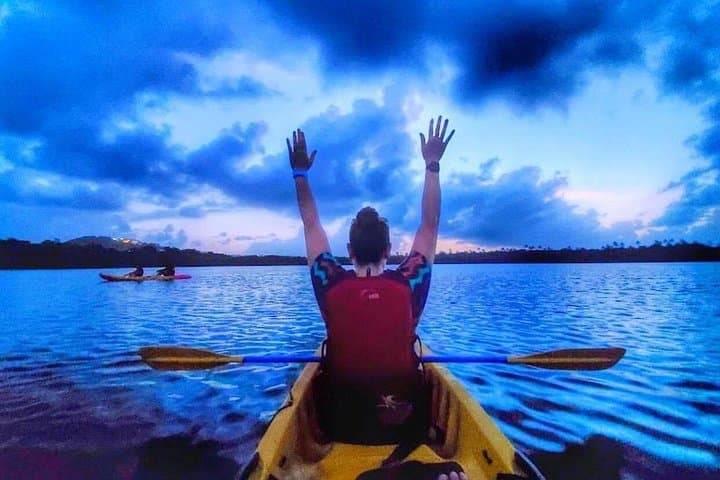
The night is close and the mangrove channel narrows to a dark slit; guide voices and paddle taps are the only interruptions before the lagoon opens like a sky of grounded stars. Paddles dip and the water answers in electric strokes—tiny organisms lighting each ripple as the group glides into Laguna Grande.
The night is close and the mangrove channel narrows to a dark slit; guide voices and paddle taps are the only interruptions before the lagoon opens like a sky of grounded stars. Paddles dip and the water answers in electric strokes—tiny organisms lighting each ripple as the group glides into Laguna Grande.
This bay sits on the northeastern coast of Puerto Rico where carbonate sediments, sheltered mangrove roots, and low tidal exchange create conditions favorable to dinoflagellates. The local community of Las Croabas and Fajardo have long used these waterways for fishing and transport; today guides fold natural history and cultural notes into the launch briefing so visitors understand both biology and local stewardship.
Expect a calm, guided, roughly one-mile paddle through a mangrove channel to reach the lagoon, then a talk on the ecosystem and human impacts. The glow is impressive but not guaranteed—bioluminescence varies with weather, season, and nutrient changes.
Practical details: tours run about two hours and accommodate beginners; guides provide kayaks, bottled water, and snacks. Wear quick-dry clothing, closed-toe water shoes, and leave bright lights off until the guide signals. Keep movements slow and follow minimum-disturbance rules—this fragile bay depends on careful visitation.
Timing after sunset, small group sizes, and an experienced guide increase the chances of memorable sightings. For photographers, long exposures from shore or specialized camera housings are best; avoid flash. The experience blends a compact night paddle with an accessible natural spectacle—part adventure, part lesson in coastal ecology.