THE ADVENTURE COLLECTIVE® · Independent discovery and booking for outdoor travel

Ride from the Great Synagogue to Buda Castle, passing the Parliament, Chain Bridge and Margaret Island on a 2.5–4 hour guided tour. Enjoy urban views, UNESCO-listed riverside architecture and practical local insights for cycling Budapest.
Ride from the Great Synagogue to Buda Castle, passing the Parliament, Chain Bridge and Margaret Island on a 2.5–4 hour guided tour. Enjoy urban views, UNESCO-listed riverside architecture and practical local insights for cycling Budapest.
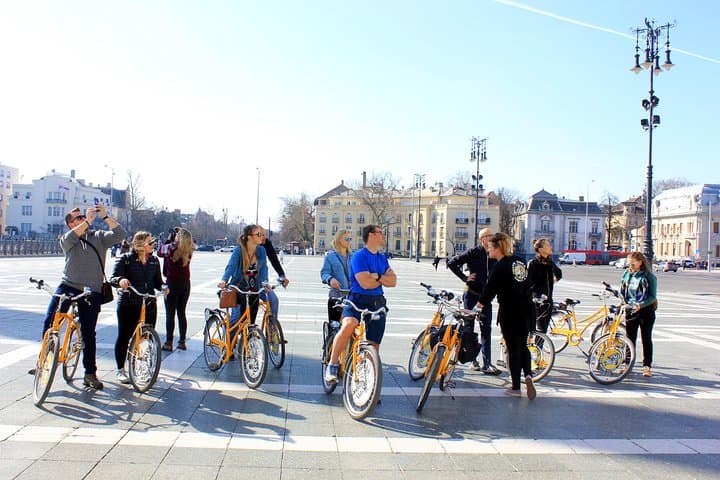
You set off from the shadow of the Great Synagogue, tires whispering on cobblestones as the Danube’s steel-gray ribbon comes into view. The guide peels back layers of the city—Pest’s broad boulevards give way to the gentler rise of Buda across the bridges—while tram bells and market calls punctuate the ride.
Verified experiences and guided adventures in the surrounding area.
Operated by Absolute Tours · Budapest, Budapest
You set off from the shadow of the Great Synagogue, tires whispering on cobblestones as the Danube’s steel-gray ribbon comes into view. The guide peels back layers of the city—Pest’s broad boulevards give way to the gentler rise of Buda across the bridges—while tram bells and market calls punctuate the ride.
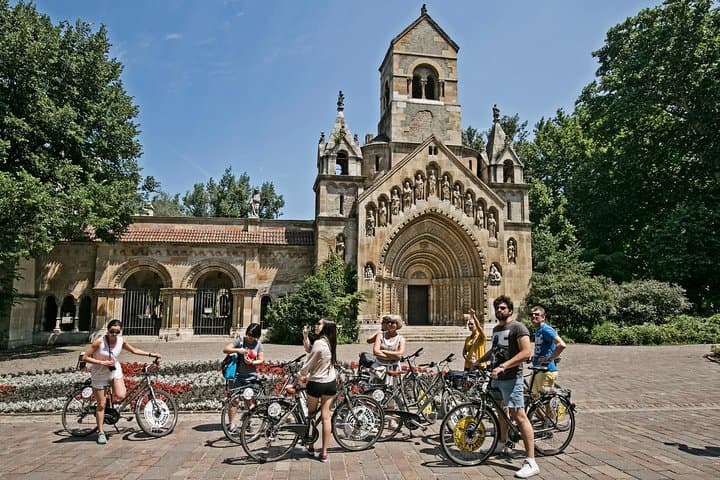
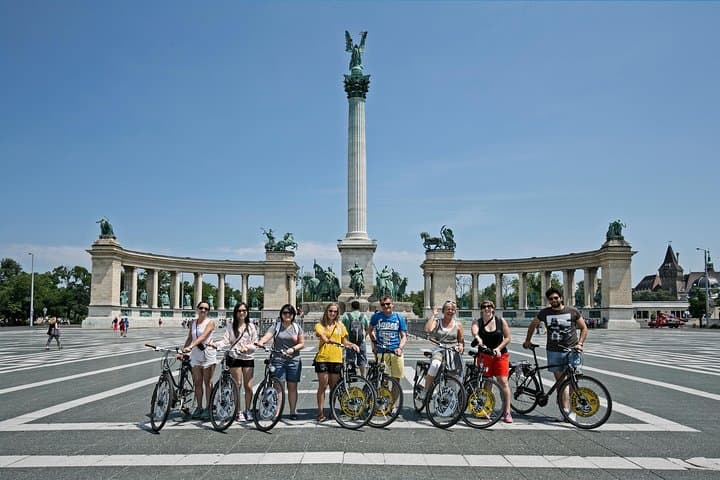
This bike tour threads UNESCO-listed sights (the Banks of the Danube and Andrássy Avenue), Neo-Gothic grandeur at the Parliament, the neoclassical rhythm of downtown and the stone steps up to Buda Castle. Geologically modest—flat floodplain on the Pest side, steeper limestone slopes on Buda—the route is more about urban history than alpine strain. Expect stories of Ottoman rule, Habsburg urban planning and 20th-century rebuilding as you pass squares, memorials and art-nouveau facades.
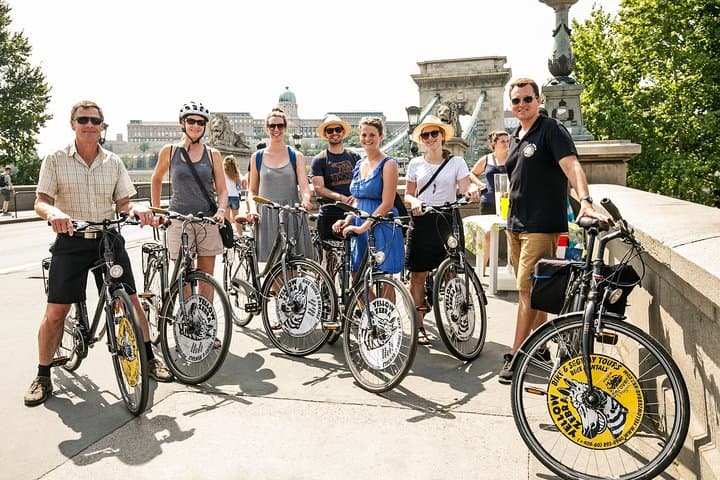
Locals treat cycling as efficient city travel; riders use dedicated bike lanes, shared roads and the occasional park path on Margaret Island. The tempo is relaxed but continuous: this operator’s 2.5–4 hour format includes short stops at St. Stephen’s, the Chain Bridge and viewpoints over the river.
Practical edge: bring a refillable bottle, layer for wind off the Danube, and wear shoes that can handle short cobbled stretches. Helmets and bike hire are typically included; always obey traffic signals and listen to your guide when crossing busy junctions. If you want more time at any site, plan to explore independently afterward—the organized tour gives you a compact, readable map of Budapest by bike.
easy.
2.5–4 hours.
Suitable for general fitness; riders should be comfortable cycling continuously at a moderate pace for up to four hours
Most operators include optional helmets; check at booking and request one when you arrive if you prefer to wear it.
Due to city traffic and local regulations, tours are generally not suitable for children under 12—confirm with the operator for exceptions.
Tours usually run in light rain, but heavy storms or unsafe conditions may lead to rescheduling or cancellation—operators will notify you according to their policy.
You must know how to ride a bike; if you’re uncomfortable in traffic, consider a private tour or a shorter, quieter route on Margaret Island instead.
The route crosses sites shaped by Roman foundations, Ottoman occupation and Habsburg urbanism—modern Budapest coalesced in the 19th century when Buda and Pest were united.
Stick to bike lanes and marked paths; the Danube’s banks are managed for flood control and biodiversity, so avoid littering and use official waste bins.
Absolute Tours operates guided outdoor trips and adventures with an emphasis on safety, stewardship, and memorable experiences.
You set off from the shadow of the Great Synagogue, tires whispering on cobblestones as the Danube’s steel-gray ribbon comes into view. The guide peels back layers of the city—Pest’s broad boulevards give way to the gentler rise of Buda across the bridges—while tram bells and market calls punctuate the ride.
You set off from the shadow of the Great Synagogue, tires whispering on cobblestones as the Danube’s steel-gray ribbon comes into view. The guide peels back layers of the city—Pest’s broad boulevards give way to the gentler rise of Buda across the bridges—while tram bells and market calls punctuate the ride.
This bike tour threads UNESCO-listed sights (the Banks of the Danube and Andrássy Avenue), Neo-Gothic grandeur at the Parliament, the neoclassical rhythm of downtown and the stone steps up to Buda Castle. Geologically modest—flat floodplain on the Pest side, steeper limestone slopes on Buda—the route is more about urban history than alpine strain. Expect stories of Ottoman rule, Habsburg urban planning and 20th-century rebuilding as you pass squares, memorials and art-nouveau facades.
Locals treat cycling as efficient city travel; riders use dedicated bike lanes, shared roads and the occasional park path on Margaret Island. The tempo is relaxed but continuous: this operator’s 2.5–4 hour format includes short stops at St. Stephen’s, the Chain Bridge and viewpoints over the river.
Practical edge: bring a refillable bottle, layer for wind off the Danube, and wear shoes that can handle short cobbled stretches. Helmets and bike hire are typically included; always obey traffic signals and listen to your guide when crossing busy junctions. If you want more time at any site, plan to explore independently afterward—the organized tour gives you a compact, readable map of Budapest by bike.