THE ADVENTURE COLLECTIVE® · Independent discovery and booking for outdoor travel

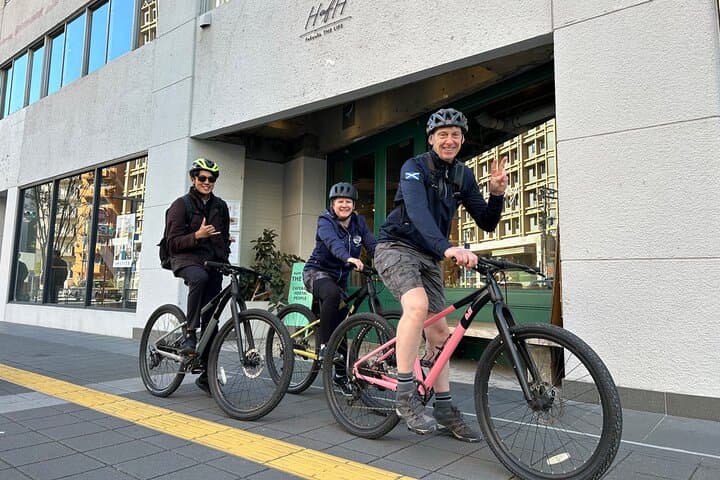
Ride between Hakata’s merchant lanes and the castle town across the Naka River on a guided afternoon bicycle tour. This 3.5-hour route visits Ohori Park, Shofuku-ji and Kushida Shrine while using paths locals prefer.
Ride between Hakata’s merchant lanes and the castle town across the Naka River on a guided afternoon bicycle tour. This 3.5-hour route visits Ohori Park, Shofuku-ji and Kushida Shrine while using paths locals prefer.
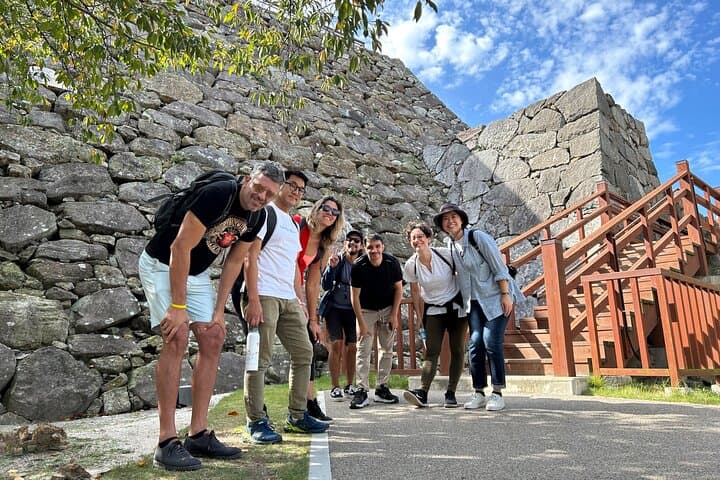
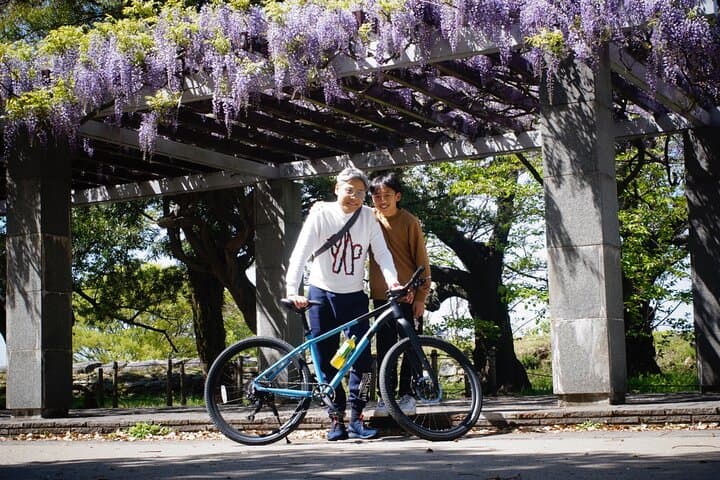
You push off from a shaded riverside path and the city changes around you — rice-paper storefronts and merchant lanes of Hakata give way across the Naka River to the stone walls and parkland that once guarded Kuroda Nagamasa’s castle. Afternoon light slants through plane trees as your guide steers you onto routes cars rarely see: towpaths, parkways, and a ribbon of cycle track beside Ohori Pond where the water dares you to slow down and look.
Verified experiences and guided adventures in the surrounding area.
Operated by Bike is Life · Fukuoka, Fukuoka Prefecture
You push off from a shaded riverside path and the city changes around you — rice-paper storefronts and merchant lanes of Hakata give way across the Naka River to the stone walls and parkland that once guarded Kuroda Nagamasa’s castle. Afternoon light slants through plane trees as your guide steers you onto routes cars rarely see: towpaths, parkways, and a ribbon of cycle track beside Ohori Pond where the water dares you to slow down and look.
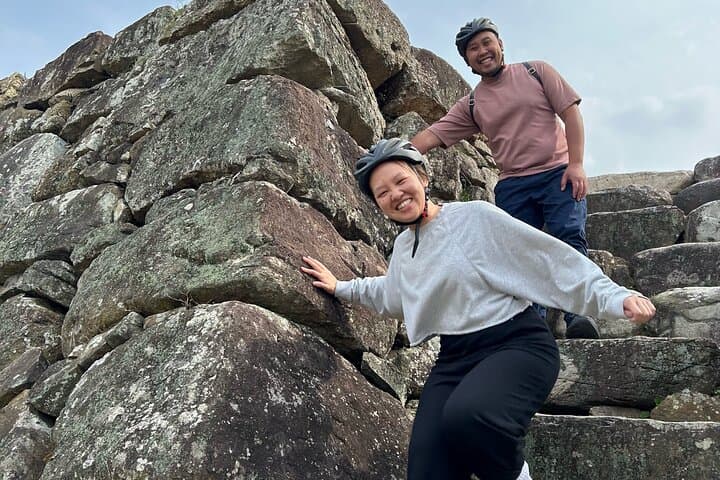
This ride is as much cultural history as it is cycling. Hakata’s port was one of Japan’s earliest international gateways to China and Korea; on the opposite bank, the castle town built in the Sengoku era laid out grid streets, defensive walls and moats that shaped modern Fukuoka. Geologically the area is low-lying coastal plain cut by the Naka River; expect flat terrain and the odd raised stone embankment left from historic flood control. Stops include Shofuku-ji, Japan’s first Zen temple, and Kushida Shrine, the spiritual heart of Hakata’s festivals.
Practical guidance: the tour runs about 3.5 hours with multiple short stops and covers roughly 8–12 km at an easy pace — mostly flat with short bridge grades. Bikes, snacks and bottled water are provided; wear closed-toe shoes, bring sun protection and a small daypack for layers. Follow local traffic rules, yield to pedestrians in parks, and tell your guide about any mobility or health concerns before you start. Afternoon departures favor softer light and cooler riding in summer; in rainy months pack a lightweight shell. This ride gives a compact, sensory-first view of Fukuoka’s two faces — efficient, human-scale, and rooted in history.
easy.
3.5 hours.
Suitable for riders comfortable on a city bike for several hours; minimal stamina required.
Participants must be 16 years or older and at least 145 cm tall to use the provided bicycles.
Start location is typically central near the castle moat or a designated park gate in central Fukuoka; the operator will provide a precise meeting point after booking.
Guides operate in Japanese and English, allowing explanation of sites and history during the ride.
Bicycle use, guide, bottled water, snacks and insurance are included; temple entry fees are generally not required for the listed stops.
Hakata developed as an international trading port, while Fukuoka Castle and its castle town were later planned by Kuroda Nagamasa during the Sengoku-Edo transition.
Stay on designated paths and avoid feeding wildlife; city parks here prioritize water quality and native plantings, so pack out all trash.
Bike is Life operates guided outdoor trips and adventures with an emphasis on safety, stewardship, and memorable experiences.
You push off from a shaded riverside path and the city changes around you — rice-paper storefronts and merchant lanes of Hakata give way across the Naka River to the stone walls and parkland that once guarded Kuroda Nagamasa’s castle. Afternoon light slants through plane trees as your guide steers you onto routes cars rarely see: towpaths, parkways, and a ribbon of cycle track beside Ohori Pond where the water dares you to slow down and look.
You push off from a shaded riverside path and the city changes around you — rice-paper storefronts and merchant lanes of Hakata give way across the Naka River to the stone walls and parkland that once guarded Kuroda Nagamasa’s castle. Afternoon light slants through plane trees as your guide steers you onto routes cars rarely see: towpaths, parkways, and a ribbon of cycle track beside Ohori Pond where the water dares you to slow down and look.
This ride is as much cultural history as it is cycling. Hakata’s port was one of Japan’s earliest international gateways to China and Korea; on the opposite bank, the castle town built in the Sengoku era laid out grid streets, defensive walls and moats that shaped modern Fukuoka. Geologically the area is low-lying coastal plain cut by the Naka River; expect flat terrain and the odd raised stone embankment left from historic flood control. Stops include Shofuku-ji, Japan’s first Zen temple, and Kushida Shrine, the spiritual heart of Hakata’s festivals.
Practical guidance: the tour runs about 3.5 hours with multiple short stops and covers roughly 8–12 km at an easy pace — mostly flat with short bridge grades. Bikes, snacks and bottled water are provided; wear closed-toe shoes, bring sun protection and a small daypack for layers. Follow local traffic rules, yield to pedestrians in parks, and tell your guide about any mobility or health concerns before you start. Afternoon departures favor softer light and cooler riding in summer; in rainy months pack a lightweight shell. This ride gives a compact, sensory-first view of Fukuoka’s two faces — efficient, human-scale, and rooted in history.