THE ADVENTURE COLLECTIVE® · Independent discovery and booking for outdoor travel

Cycle Porto’s riverside and historic neighborhoods in a compact, guided three-hour loop. Expect UNESCO streets, river views, a pastry stop, and mostly-flat riding suited to confident urban cyclists.
Cycle Porto’s riverside and historic neighborhoods in a compact, guided three-hour loop. Expect UNESCO streets, river views, a pastry stop, and mostly-flat riding suited to confident urban cyclists.
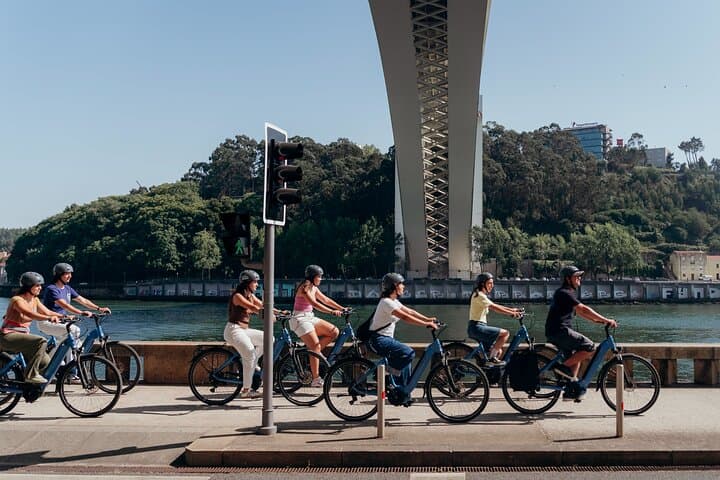
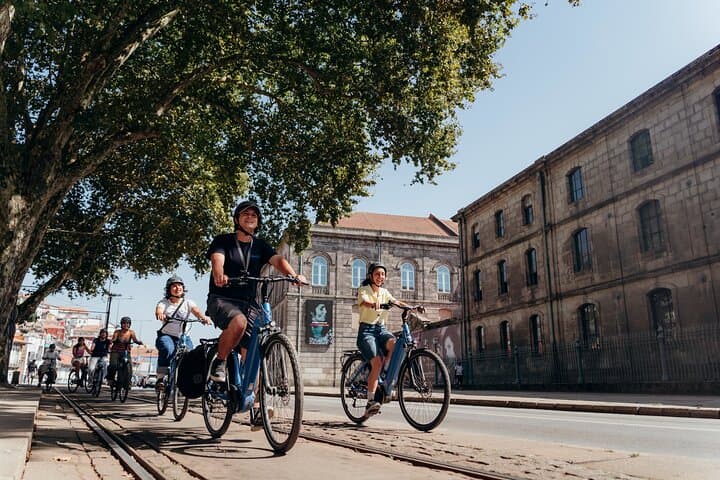
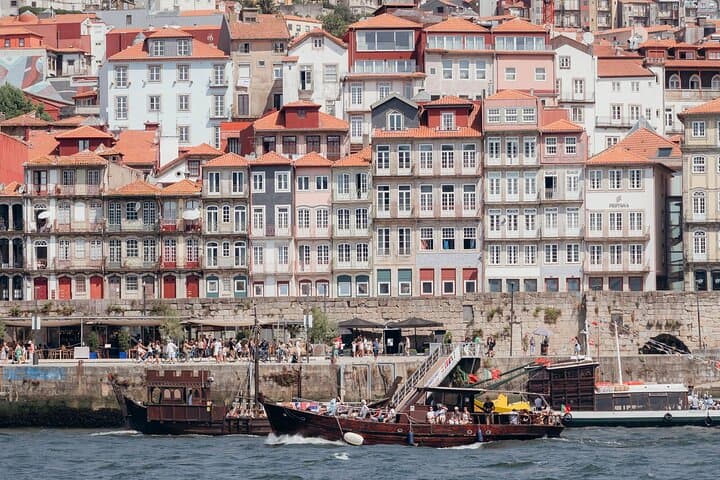
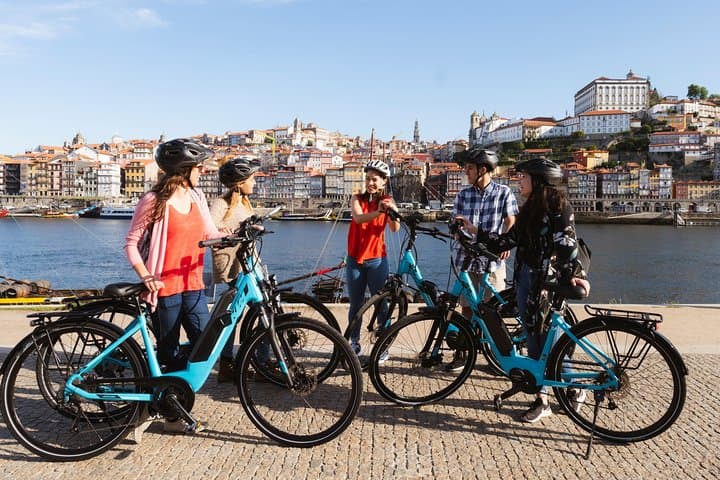
The morning air on the Douro tastes of salt and iron as your tires whisper along cobblestone and riverfront promenades. You set off from the city center with the Dom Luís I Bridge in sight, the guide slipping into local stories as easily as shifting gears. The route threads through Ribeira’s tight alleys, past the Customs House’s 19th-century façades, and out toward the calmer parks that meet the Atlantic.
Verified experiences and guided adventures in the surrounding area.
Operated by Bluedragon Porto City · Porto, Norte
The morning air on the Douro tastes of salt and iron as your tires whisper along cobblestone and riverfront promenades. You set off from the city center with the Dom Luís I Bridge in sight, the guide slipping into local stories as easily as shifting gears. The route threads through Ribeira’s tight alleys, past the Customs House’s 19th-century façades, and out toward the calmer parks that meet the Atlantic.
Porto’s layout is written by its river: a geology of terraces carved by the Douro, layered with centuries of shipbuilding, trade and port wine commerce. Miragaia and Foz Velha reflect working neighborhoods where fishermen’s sheds sit beside UNESCO-listed stonework. Calem Garden and the City Park offer green breaks—urban lungs that were once marshland reclaimed for leisure and transport.
Culturally, expect talk of port cellars, bridge engineering, and the resilience of a city rebuilt after floods and fires. Local guides highlight Afurada’s fishing traditions and the mid-20th-century concrete arch of the Arrábida Bridge as a landmark of industrial ambition.
Practically: the three-hour route is mostly flat with short cobbled sections and light road traffic. Helmets and bikes are provided; riders must be comfortable on urban streets and able to mount modest inclines. Bring a refillable water bottle, layered clothing for coastal wind, and shoes that handle slippery cobbles. Tours run in most weather—dress for drizzle—and plan for a coffee and pastel de nata stop mid-ride.
This ride is part city orientation, part riverside escape: efficient, scenic, and grounded in Porto’s working-history by the water.
moderate.
3 hours.
Moderate fitness—comfortable with urban cycling, mounting small inclines, and 3 hours on a bike.
No—bikes and helmets are provided as part of the tour; bring personal gloves or pedals if you prefer.
Children are allowed if accompanied by an adult; infant seats may be available but check minimum age and height restrictions before booking.
The tour operates in light rain—dress accordingly; it may be canceled if conditions are unsafe, with alternatives or refunds offered per provider policy.
Yes—the route includes a planned stop for coffee and a pastel de nata and passes parks with restroom access.
Porto’s economy and urban form grew around the Douro River and port wine trade; the river terraces and bridges record 19th–20th century industrial expansion.
Ride respectfully: stick to designated lanes, avoid littering along the Douro, and support local businesses to sustain community-based tourism.
Bluedragon Porto City operates guided outdoor trips and adventures with an emphasis on safety, stewardship, and memorable experiences.
The morning air on the Douro tastes of salt and iron as your tires whisper along cobblestone and riverfront promenades. You set off from the city center with the Dom Luís I Bridge in sight, the guide slipping into local stories as easily as shifting gears. The route threads through Ribeira’s tight alleys, past the Customs House’s 19th-century façades, and out toward the calmer parks that meet the Atlantic.
The morning air on the Douro tastes of salt and iron as your tires whisper along cobblestone and riverfront promenades. You set off from the city center with the Dom Luís I Bridge in sight, the guide slipping into local stories as easily as shifting gears. The route threads through Ribeira’s tight alleys, past the Customs House’s 19th-century façades, and out toward the calmer parks that meet the Atlantic.
Porto’s layout is written by its river: a geology of terraces carved by the Douro, layered with centuries of shipbuilding, trade and port wine commerce. Miragaia and Foz Velha reflect working neighborhoods where fishermen’s sheds sit beside UNESCO-listed stonework. Calem Garden and the City Park offer green breaks—urban lungs that were once marshland reclaimed for leisure and transport.
Culturally, expect talk of port cellars, bridge engineering, and the resilience of a city rebuilt after floods and fires. Local guides highlight Afurada’s fishing traditions and the mid-20th-century concrete arch of the Arrábida Bridge as a landmark of industrial ambition.
Practically: the three-hour route is mostly flat with short cobbled sections and light road traffic. Helmets and bikes are provided; riders must be comfortable on urban streets and able to mount modest inclines. Bring a refillable water bottle, layered clothing for coastal wind, and shoes that handle slippery cobbles. Tours run in most weather—dress for drizzle—and plan for a coffee and pastel de nata stop mid-ride.
This ride is part city orientation, part riverside escape: efficient, scenic, and grounded in Porto’s working-history by the water.