THE ADVENTURE COLLECTIVE® · Independent discovery and booking for outdoor travel

Explore Madrid’s two largest green areas on two wheels: the long, redesigned riverside of Madrid Río and the vast trails of Casa de Campo. This easy 2‑hour tour mixes modern urban design with forested parklands—ideal for riders seeking a quick nature escape inside the city.
Explore Madrid’s two largest green areas on two wheels: the long, redesigned riverside of Madrid Río and the vast trails of Casa de Campo. This easy 2‑hour tour mixes modern urban design with forested parklands—ideal for riders seeking a quick nature escape inside the city.
You roll away from the Royal Palace, tires humming, and the city opens into a long green ribbon where the Manzanares dares you to follow it. The Madrid Río route carves along the river for miles; concrete gives way to shaded paths, playgrounds, and sudden views through sculpted bridges. Pedal west and Casa de Campo swallows the skyline—a broad, pine-scented plateau with gravel lanes, a lake pocketed with ducks, and trails that climb into quiet woodland.
Verified experiences and guided adventures in the surrounding area.
Operated by Madrid Bike Tours · Madrid, Community of Madrid
You roll away from the Royal Palace, tires humming, and the city opens into a long green ribbon where the Manzanares dares you to follow it. The Madrid Río route carves along the river for miles; concrete gives way to shaded paths, playgrounds, and sudden views through sculpted bridges. Pedal west and Casa de Campo swallows the skyline—a broad, pine-scented plateau with gravel lanes, a lake pocketed with ducks, and trails that climb into quiet woodland.
This ride stitches two different urban histories. Madrid Río is modern infrastructure rewritten as parkland after the M‑30 was buried (2006–2012), a recent reclaiming of the river corridor. Casa de Campo, once royal hunting grounds, became public parkland in the 18th–19th centuries and today functions as the city’s largest green lung.
Geology is subtle: the river plain is flat, with sandy alluvial soils giving way to higher terraces under Madrid’s western hills. Cultural touches—street art on underpasses, tapas stops along the route, and weekend cyclists—give the ride a local pulse.
Practical guidance: this is a 2‑hour, mostly easy urban loop of roughly 7–12 km depending on chosen stretches; e‑bikes soften climbs in Casa de Campo. Expect mixed surfaces—paved riverside promenades and compacted dirt or gravel in the park—so choose tires accordingly. Start in the morning to avoid heat and weekend crowds, carry water, and lock your bike at stops. Helmets are provided on guided rides; bring a lightweight jacket for the river breeze. The route suits casual riders looking for an active city hour that blends nature, design, and Madrid’s everyday life.
easy.
2 hours.
Suitable for casual cyclists with basic fitness; e‑bikes make it accessible for most people.
Yes—guided tours include use of a bicycle and helmet; confirm e‑bike availability at booking.
Yes for older children with good balance; infant seats are available on request but stock is limited—check before booking.
Casa de Campo has gentle climbs and short steeper sections; e‑bikes or moderate fitness make these easy to handle.
The tour’s refund policy allows cancellation up to 24 hours prior; rides may still run in light rain—contact the operator for severe weather decisions.
Madrid Río was created by covering sections of the M‑30 motorway between 2006 and 2012; Casa de Campo was once royal hunting land transformed into public parkland over centuries.
The parks are managed to balance recreation with habitat restoration along the Manzanares—stay on paths and avoid feeding wildlife to support local ecology.
Madrid Bike Tours operates guided outdoor trips and adventures with an emphasis on safety, stewardship, and memorable experiences.
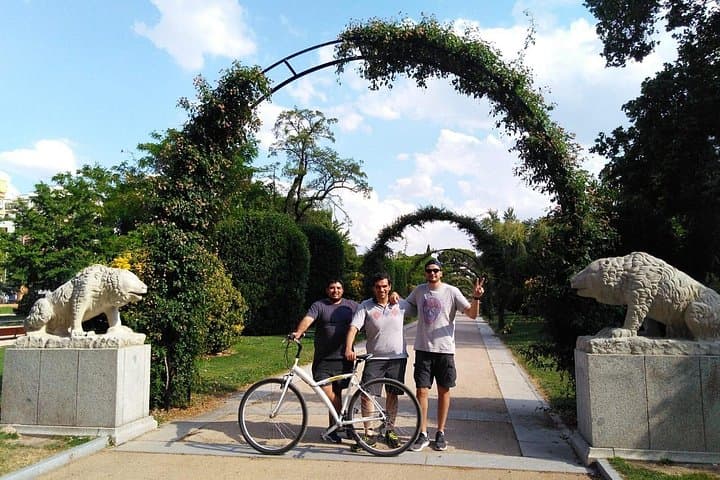
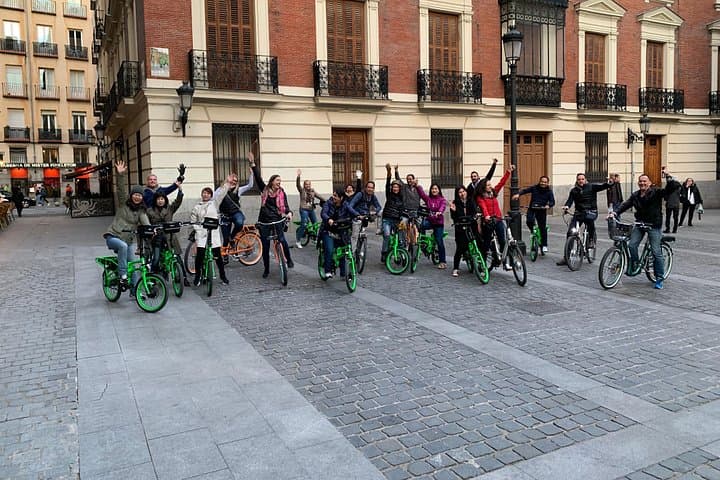
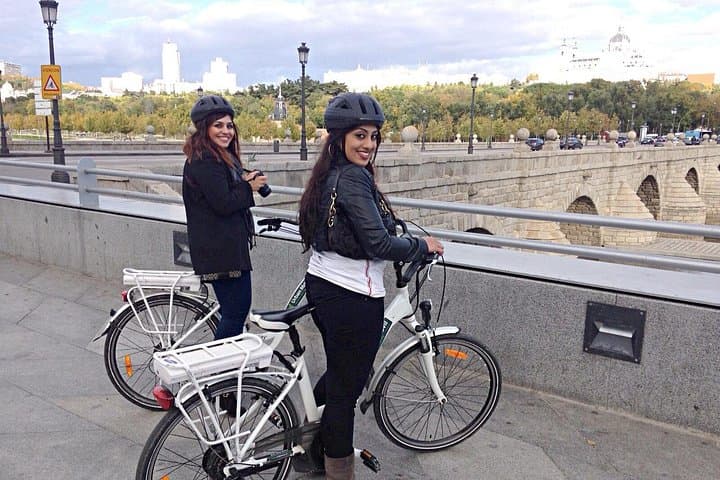
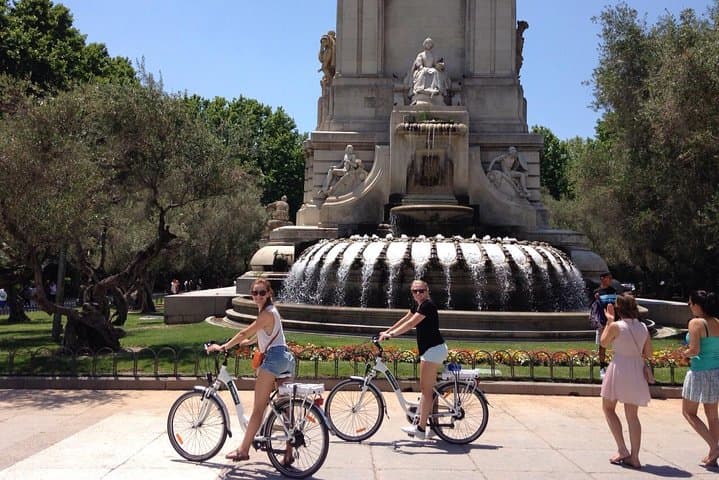
You roll away from the Royal Palace, tires humming, and the city opens into a long green ribbon where the Manzanares dares you to follow it. The Madrid Río route carves along the river for miles; concrete gives way to shaded paths, playgrounds, and sudden views through sculpted bridges. Pedal west and Casa de Campo swallows the skyline—a broad, pine-scented plateau with gravel lanes, a lake pocketed with ducks, and trails that climb into quiet woodland.
You roll away from the Royal Palace, tires humming, and the city opens into a long green ribbon where the Manzanares dares you to follow it. The Madrid Río route carves along the river for miles; concrete gives way to shaded paths, playgrounds, and sudden views through sculpted bridges. Pedal west and Casa de Campo swallows the skyline—a broad, pine-scented plateau with gravel lanes, a lake pocketed with ducks, and trails that climb into quiet woodland.
This ride stitches two different urban histories. Madrid Río is modern infrastructure rewritten as parkland after the M‑30 was buried (2006–2012), a recent reclaiming of the river corridor. Casa de Campo, once royal hunting grounds, became public parkland in the 18th–19th centuries and today functions as the city’s largest green lung.
Geology is subtle: the river plain is flat, with sandy alluvial soils giving way to higher terraces under Madrid’s western hills. Cultural touches—street art on underpasses, tapas stops along the route, and weekend cyclists—give the ride a local pulse.
Practical guidance: this is a 2‑hour, mostly easy urban loop of roughly 7–12 km depending on chosen stretches; e‑bikes soften climbs in Casa de Campo. Expect mixed surfaces—paved riverside promenades and compacted dirt or gravel in the park—so choose tires accordingly. Start in the morning to avoid heat and weekend crowds, carry water, and lock your bike at stops. Helmets are provided on guided rides; bring a lightweight jacket for the river breeze. The route suits casual riders looking for an active city hour that blends nature, design, and Madrid’s everyday life.