THE ADVENTURE COLLECTIVE® · Independent discovery and booking for outdoor travel

Skip buses and taxis—see Luxor at bicycle pace. Ride from Karnak and Luxor Temples to the West Bank via ferry, threading temple forecourts and village lanes while avoiding larger tour crowds.
Skip buses and taxis—see Luxor at bicycle pace. Ride from Karnak and Luxor Temples to the West Bank via ferry, threading temple forecourts and village lanes while avoiding larger tour crowds.
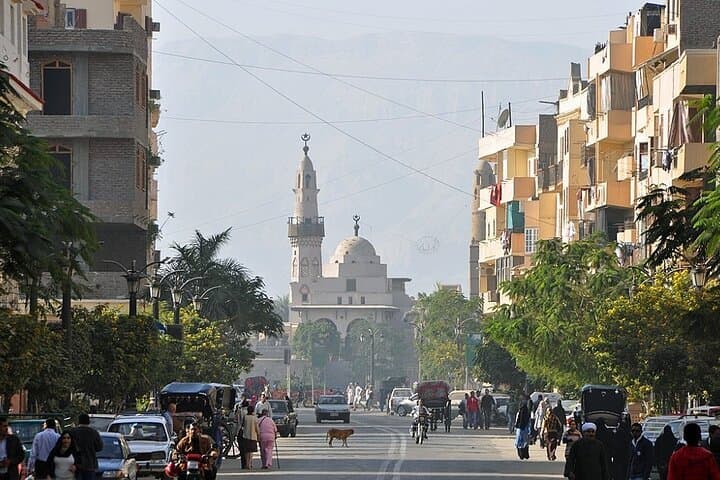
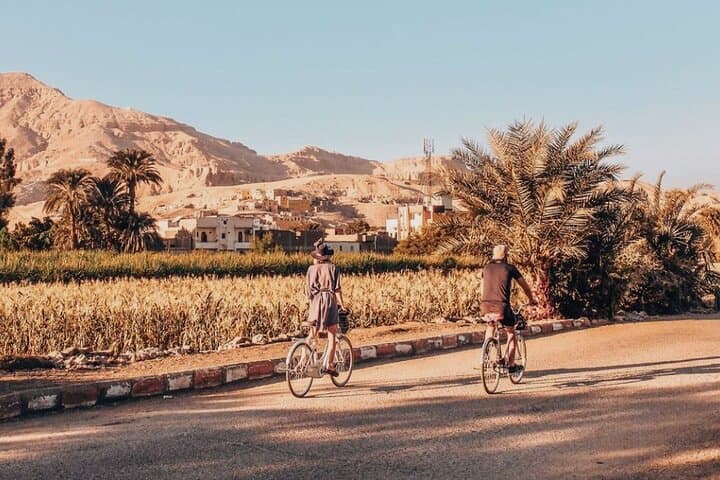
Early light lays the Nile in brushed-gold as you clip into a city bike and roll past low stone walls and vendors stacking bundles of sugarcane. The route threads between broad avenues on the East Bank—Karnak’s avenue of colossal columns and the compact courtyard of Luxor Temple—then slips onto the short ferry that ferries cyclists across to the West Bank’s limestone foothills and quiet village lanes.
Verified experiences and guided adventures in the surrounding area.
Operated by EgBride Travel · Luxor, Luxor Governorate
Early light lays the Nile in brushed-gold as you clip into a city bike and roll past low stone walls and vendors stacking bundles of sugarcane. The route threads between broad avenues on the East Bank—Karnak’s avenue of colossal columns and the compact courtyard of Luxor Temple—then slips onto the short ferry that ferries cyclists across to the West Bank’s limestone foothills and quiet village lanes.
Luxor occupies the heart of ancient Thebes, the political and religious center of Egypt’s New Kingdom. Geology here is simple: fertile Nile floodplain rising to the arid Theban Mountains where tombs are carved into sandstone. Cycling makes the relationship between river, field, and monument tangible—temples pushing their stonework toward the sky while villagers water small plots and donkeys pick through market stalls.
Expect a predominantly flat ride of roughly 15–30 km depending on your route, with minimal elevation gain on the West Bank approaches. Surfaces vary: paved city streets, compact dirt near rural shrines, and short sandy stretches by temple entrances.
Practical notes: start early to avoid mid-day heat, carry a refillable water bottle, and confirm tomb opening times before you depart. The ferry is quick but can be busy at peak hours—plan crossings around quieter times. Respect fragile reliefs, follow posted paths at archaeological sites, and lock your bike when you explore on foot.
This rental balances mobility and access: it’s an efficient, lower-impact way to see both banks, move between museums, and discover village life at human speed.
moderate.
6–8 hours.
Moderate fitness: comfortable on a bike for several hours and able to handle short sandy patches and city traffic.
No advanced experience required—basic bike handling and comfort riding in mixed traffic are sufficient.
Yes—the short ferry between East and West Banks accepts bicycles; expect a small wait at busy times.
Rental typically covers only the bike; entrance fees to temples and tombs are paid separately at site ticket offices.
Most operators meet guests at hotel entrances to deliver and collect bikes—confirm pickup details when booking.
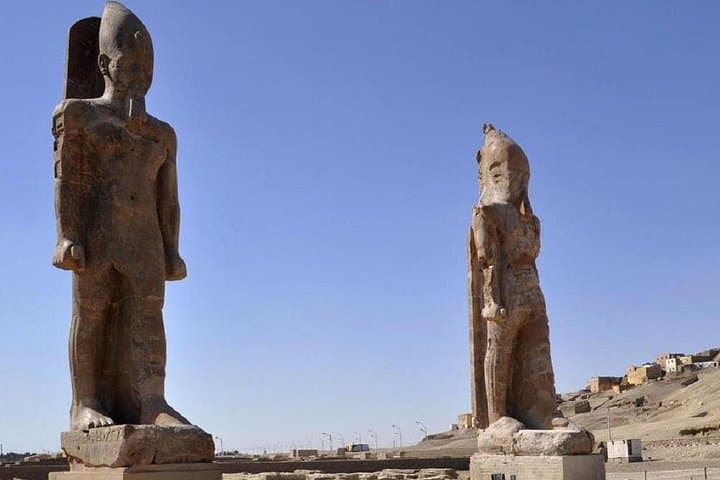
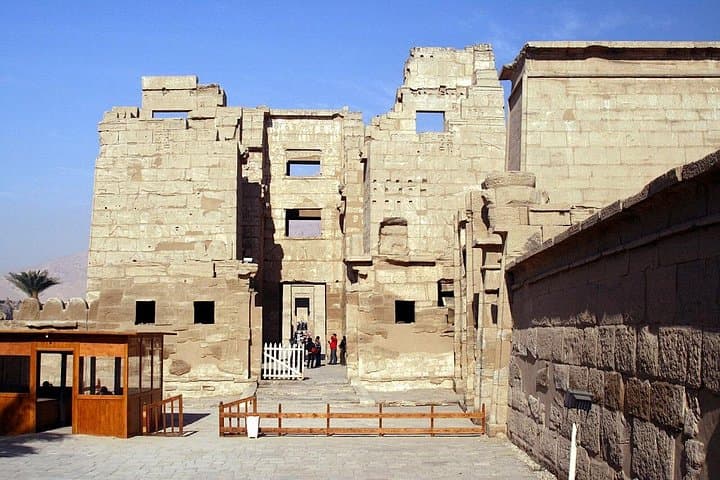
Luxor stands on ancient Thebes, the New Kingdom capital where pharaohs built Karnak and Luxor Temples and carved tombs into the Theban Hills.
High visitor pressure makes staying on marked paths and not touching reliefs important; use refillable bottles and local services to reduce waste.
EgBride Travel operates guided outdoor trips and adventures with an emphasis on safety, stewardship, and memorable experiences.
Early light lays the Nile in brushed-gold as you clip into a city bike and roll past low stone walls and vendors stacking bundles of sugarcane. The route threads between broad avenues on the East Bank—Karnak’s avenue of colossal columns and the compact courtyard of Luxor Temple—then slips onto the short ferry that ferries cyclists across to the West Bank’s limestone foothills and quiet village lanes.
Early light lays the Nile in brushed-gold as you clip into a city bike and roll past low stone walls and vendors stacking bundles of sugarcane. The route threads between broad avenues on the East Bank—Karnak’s avenue of colossal columns and the compact courtyard of Luxor Temple—then slips onto the short ferry that ferries cyclists across to the West Bank’s limestone foothills and quiet village lanes.
Luxor occupies the heart of ancient Thebes, the political and religious center of Egypt’s New Kingdom. Geology here is simple: fertile Nile floodplain rising to the arid Theban Mountains where tombs are carved into sandstone. Cycling makes the relationship between river, field, and monument tangible—temples pushing their stonework toward the sky while villagers water small plots and donkeys pick through market stalls.
Expect a predominantly flat ride of roughly 15–30 km depending on your route, with minimal elevation gain on the West Bank approaches. Surfaces vary: paved city streets, compact dirt near rural shrines, and short sandy stretches by temple entrances.
Practical notes: start early to avoid mid-day heat, carry a refillable water bottle, and confirm tomb opening times before you depart. The ferry is quick but can be busy at peak hours—plan crossings around quieter times. Respect fragile reliefs, follow posted paths at archaeological sites, and lock your bike when you explore on foot.
This rental balances mobility and access: it’s an efficient, lower-impact way to see both banks, move between museums, and discover village life at human speed.