THE ADVENTURE COLLECTIVE® · Independent discovery and booking for outdoor travel

Cycle 11 km through Copenhagen’s reimagined harbor and neighborhoods on a three‑hour guided tour that highlights sustainable design, adaptive reuse, and community‑first planning. Expect flat, well-marked bike lanes, a handful of short stops, and local insights into what makes Copenhagen a model for green cities.
Cycle 11 km through Copenhagen’s reimagined harbor and neighborhoods on a three‑hour guided tour that highlights sustainable design, adaptive reuse, and community‑first planning. Expect flat, well-marked bike lanes, a handful of short stops, and local insights into what makes Copenhagen a model for green cities.
You begin at a small storefront by the harbor, the bicycle seat folding into place, the harbor wind tugging at your jacket as the guide calls the group together. Over the next three hours the city unfolds not as a postcard but as a working experiment: new bridges that lure cyclists across water, housing projects that prioritize shared spaces, and reclaimed marshes that have quietly become urban green lungs.
Verified experiences and guided adventures in the surrounding area.
Operated by Tropical Bikes · Copenhagen, Capital Region
You begin at a small storefront by the harbor, the bicycle seat folding into place, the harbor wind tugging at your jacket as the guide calls the group together. Over the next three hours the city unfolds not as a postcard but as a working experiment: new bridges that lure cyclists across water, housing projects that prioritize shared spaces, and reclaimed marshes that have quietly become urban green lungs.
Copenhagen’s urban story runs from medieval ramparts to 19th‑century industrial blocks and 21st‑century climate engineering. Much of the ride traces land reclaimed from the Øresund—Amager’s dunes and flats were reshaped for defense, then industry, and now for nature and housing. The meatpacking district (Kødbyen) and repurposed naval docks show how public health, trade and municipal planning rewired the city’s form. Cultural cues—shared courtyards, public baths, and cycle-first bridges—reveal a civic decision to put people before cars.
Practical guidance is straightforward: expect about 11 km of mostly flat riding on separated bike lanes with occasional cobbles and light traffic. Stops include harbor baths, concert halls, sustainable co‑housing and park systems; total group size caps at 15. Bring a well‑fitted helmet (available on request), a light waterproof layer, closed shoes, and a small water bottle. Aim for a morning slot to avoid rush‑hour cyclists and to catch markets like Torvehallerne at their liveliest. Guides will discuss planning principles and social sustainability while navigating Copenhagen’s efficient public-transport links; toilets are available at the shop. The route is low‑impact but respect bike etiquette—signal, keep right, and let the city’s design do the talking.
moderate.
3 hours.
Suitable for travelers with moderate fitness and basic cycling ability; you should be comfortable riding short city distances on paved surfaces.
Yes—bicycles are provided and free helmets are available on request; if you prefer your own helmet bring it for fit and comfort.
Children can join if comfortable on a bike; child seats and smaller bikes are available—contact the operator to confirm availability.
The tour can be canceled for full refund if severe weather affects safety; light rain usually means the tour proceeds with rain gear recommended.
Expect roughly 11 km of cycling at a relaxed interpretive pace with frequent stops—this is designed for sightseeing, not high‑speed riding.
Copenhagen’s harbor was transformed from industrial shipping and naval uses to public spaces starting in the late 20th century, with many former docks repurposed for recreation and cultural venues.
City planning emphasizes low‑emission transport and climate adaptation; modest visitor behavior—sticking to paths, disposing of waste, and respecting local cycling norms—reduces impact.
Tropical Bikes operates guided outdoor trips and adventures with an emphasis on safety, stewardship, and memorable experiences.
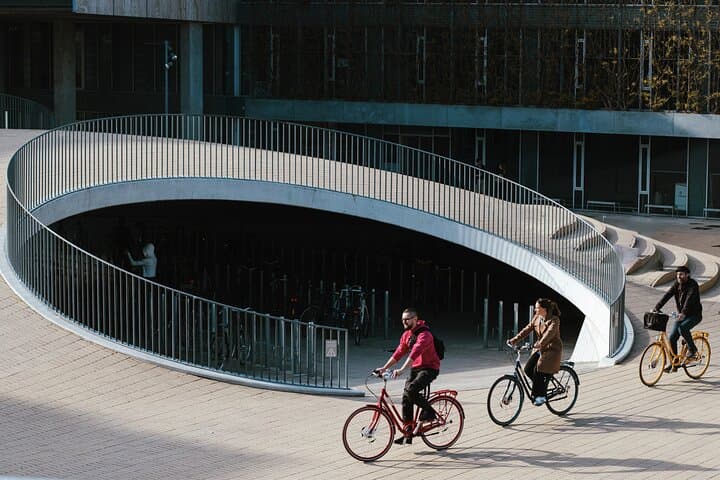
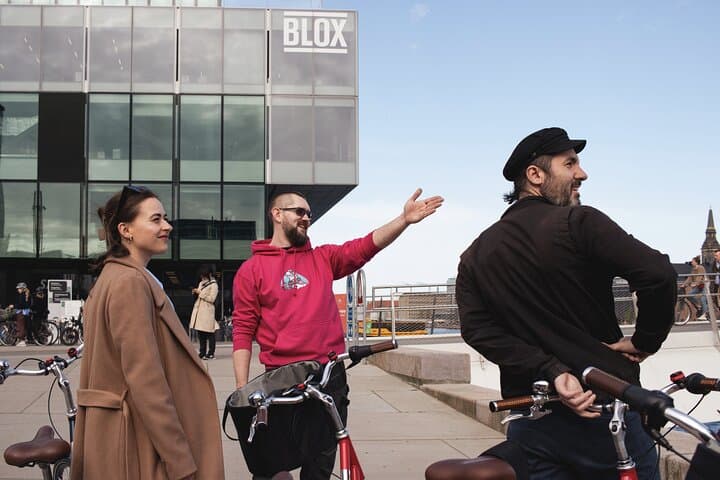
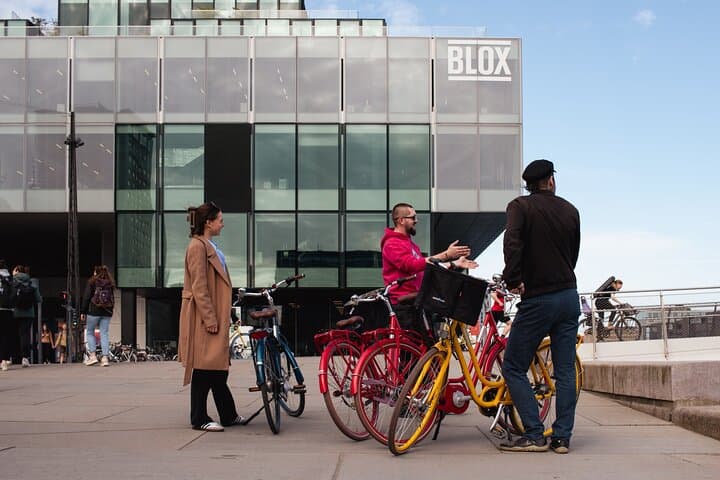
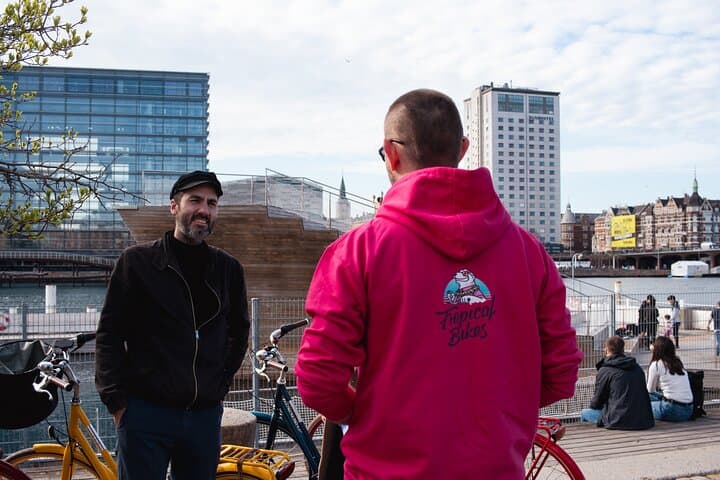
You begin at a small storefront by the harbor, the bicycle seat folding into place, the harbor wind tugging at your jacket as the guide calls the group together. Over the next three hours the city unfolds not as a postcard but as a working experiment: new bridges that lure cyclists across water, housing projects that prioritize shared spaces, and reclaimed marshes that have quietly become urban green lungs.
You begin at a small storefront by the harbor, the bicycle seat folding into place, the harbor wind tugging at your jacket as the guide calls the group together. Over the next three hours the city unfolds not as a postcard but as a working experiment: new bridges that lure cyclists across water, housing projects that prioritize shared spaces, and reclaimed marshes that have quietly become urban green lungs.
Copenhagen’s urban story runs from medieval ramparts to 19th‑century industrial blocks and 21st‑century climate engineering. Much of the ride traces land reclaimed from the Øresund—Amager’s dunes and flats were reshaped for defense, then industry, and now for nature and housing. The meatpacking district (Kødbyen) and repurposed naval docks show how public health, trade and municipal planning rewired the city’s form. Cultural cues—shared courtyards, public baths, and cycle-first bridges—reveal a civic decision to put people before cars.
Practical guidance is straightforward: expect about 11 km of mostly flat riding on separated bike lanes with occasional cobbles and light traffic. Stops include harbor baths, concert halls, sustainable co‑housing and park systems; total group size caps at 15. Bring a well‑fitted helmet (available on request), a light waterproof layer, closed shoes, and a small water bottle. Aim for a morning slot to avoid rush‑hour cyclists and to catch markets like Torvehallerne at their liveliest. Guides will discuss planning principles and social sustainability while navigating Copenhagen’s efficient public-transport links; toilets are available at the shop. The route is low‑impact but respect bike etiquette—signal, keep right, and let the city’s design do the talking.