THE ADVENTURE COLLECTIVE® · Independent discovery and booking for outdoor travel

Spend a well-paced day through Bikaner’s historic heart: Karni Mata’s temple, ornate Jain and Hindu shrines, Junagarh Fort’s palaces, Devi Kund’s chhatris and the Sadul Singh Museum — all with AC transport and a veg lunch included.
Spend a well-paced day through Bikaner’s historic heart: Karni Mata’s temple, ornate Jain and Hindu shrines, Junagarh Fort’s palaces, Devi Kund’s chhatris and the Sadul Singh Museum — all with AC transport and a veg lunch included.
Morning light hits Bikaner’s red sandstone and the city wakes with a measured pace — temple bells, chai steam, and the first buses rolling past narrow bazaars. This full-day loop pushes through that living history: a private AC vehicle ferries you to Karni Mata’s crowded courtyard, the carved facades of Bhandeshwari Jain Temple, the silver-bright courtyards of Shri Laxminath, the layered palaces of Junagarh Fort, the reflective chhatris of Devi Kund, and the period rooms of the Sadul Singh Museum.
Verified experiences and guided adventures in the surrounding area.
Operated by Three Corners United · Bikaner, Rajasthan
Morning light hits Bikaner’s red sandstone and the city wakes with a measured pace — temple bells, chai steam, and the first buses rolling past narrow bazaars. This full-day loop pushes through that living history: a private AC vehicle ferries you to Karni Mata’s crowded courtyard, the carved facades of Bhandeshwari Jain Temple, the silver-bright courtyards of Shri Laxminath, the layered palaces of Junagarh Fort, the reflective chhatris of Devi Kund, and the period rooms of the Sadul Singh Museum.
Bikaner’s architecture reflects its desert-edge geology: red sandstone quarried locally, marble inlays and ornate mirror work that speak to trade and craftsmanship from the 15th–19th centuries. Culturally, the city blends Rajput royal patronage and Jain mercantile wealth — festivals animate temples, while museums preserve royal regalia and hunting trophies.
Expect short walks on paved and uneven surfaces, shaded courtyards, and moments of crowds at Karni Mata where temple rats are part of the scene. Junagarh Fort’s museum houses manuscripts and miniature paintings; bring time to read plaques and pause on terraces for city views.
Practical guide: the tour runs about 6–7 hours with hotel pickup and drop-off; comfortable, modest clothing is required for temple visits. Carry sun protection, a refillable water bottle, and small change for entry fees or donations — some sites charge admission. Photography is generally allowed but respect signage in sanctums and museum halls. Mid-morning or late afternoon visits keep temperatures manageable; if you have mobility limits, notify the operator — the itinerary involves stairs and uneven flooring. This itinerary balances curated history with easy logistics, making Bikaner’s stories accessible in a single thoughtful day.
easy.
6–7 hours.
Suitable for most fitness levels; involves standing, short walks and stair climbing inside forts and temples.
The itinerary runs about 6–7 hours (360–420 minutes) with hotel pickup and drop-off included.
Some stops include admission while others do not; bring small cash for entries like Junagarh Fort Museum if not covered.
Yes — the operator notes stroller accessibility and infant seats may be available; infants often must sit on laps.
Professional guides are provided; confirm the language at booking to ensure a guide in your preferred language.
Bikaner grew from a 15th-century desert outpost into a princely state; Junagarh Fort was significantly developed under Raja Rai Singh in the late 16th century, reflecting Rajput and Mughal influences.
Water is scarce in this region; minimize single-use plastics and use provided bottled water sparingly. Support local craft preservation by buying from recognized artisans.
Three Corners United operates guided outdoor trips and adventures with an emphasis on safety, stewardship, and memorable experiences.
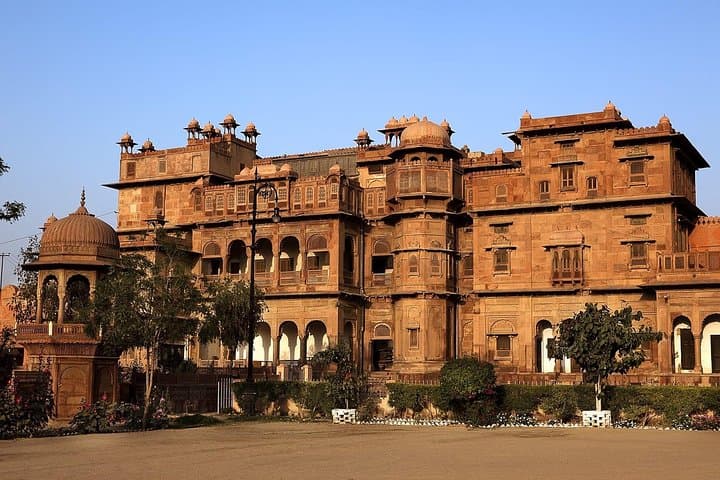
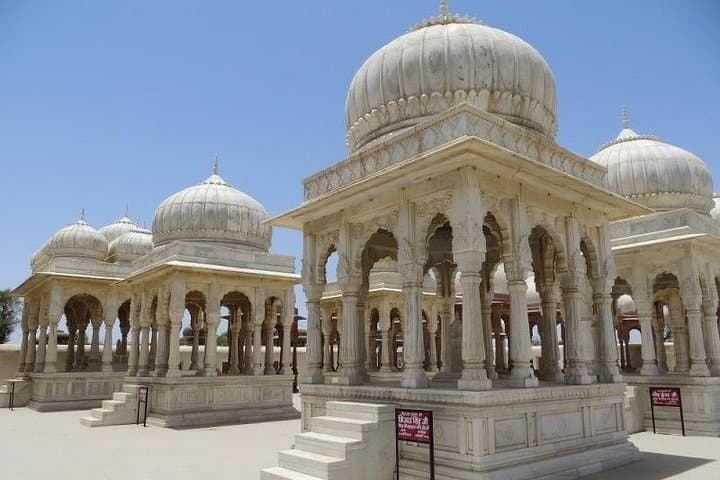
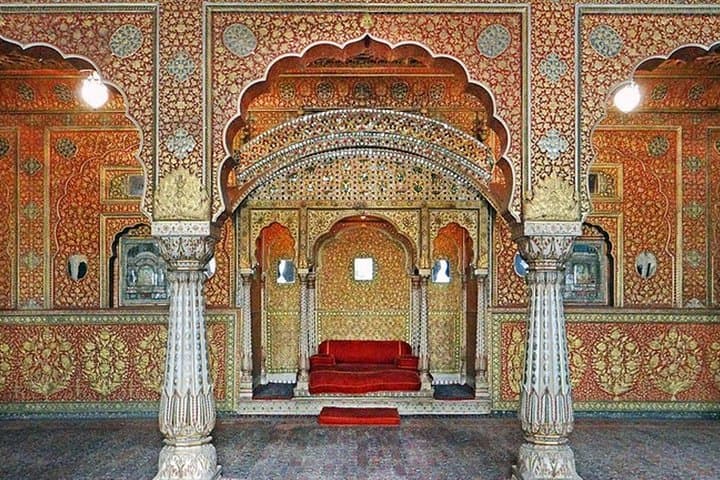
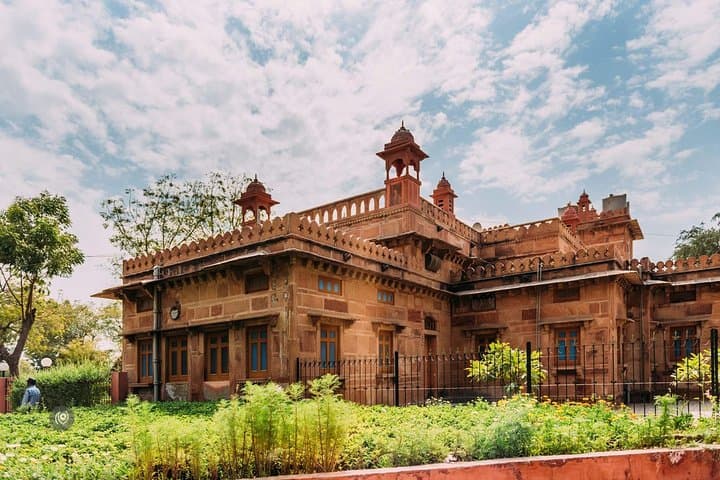
Morning light hits Bikaner’s red sandstone and the city wakes with a measured pace — temple bells, chai steam, and the first buses rolling past narrow bazaars. This full-day loop pushes through that living history: a private AC vehicle ferries you to Karni Mata’s crowded courtyard, the carved facades of Bhandeshwari Jain Temple, the silver-bright courtyards of Shri Laxminath, the layered palaces of Junagarh Fort, the reflective chhatris of Devi Kund, and the period rooms of the Sadul Singh Museum.
Morning light hits Bikaner’s red sandstone and the city wakes with a measured pace — temple bells, chai steam, and the first buses rolling past narrow bazaars. This full-day loop pushes through that living history: a private AC vehicle ferries you to Karni Mata’s crowded courtyard, the carved facades of Bhandeshwari Jain Temple, the silver-bright courtyards of Shri Laxminath, the layered palaces of Junagarh Fort, the reflective chhatris of Devi Kund, and the period rooms of the Sadul Singh Museum.
Bikaner’s architecture reflects its desert-edge geology: red sandstone quarried locally, marble inlays and ornate mirror work that speak to trade and craftsmanship from the 15th–19th centuries. Culturally, the city blends Rajput royal patronage and Jain mercantile wealth — festivals animate temples, while museums preserve royal regalia and hunting trophies.
Expect short walks on paved and uneven surfaces, shaded courtyards, and moments of crowds at Karni Mata where temple rats are part of the scene. Junagarh Fort’s museum houses manuscripts and miniature paintings; bring time to read plaques and pause on terraces for city views.
Practical guide: the tour runs about 6–7 hours with hotel pickup and drop-off; comfortable, modest clothing is required for temple visits. Carry sun protection, a refillable water bottle, and small change for entry fees or donations — some sites charge admission. Photography is generally allowed but respect signage in sanctums and museum halls. Mid-morning or late afternoon visits keep temperatures manageable; if you have mobility limits, notify the operator — the itinerary involves stairs and uneven flooring. This itinerary balances curated history with easy logistics, making Bikaner’s stories accessible in a single thoughtful day.