THE ADVENTURE COLLECTIVE® · Independent discovery and booking for outdoor travel

Spend a day away from Sarajevo exploring Bijambare’s dramatic caves and the crystalline source of the Bosna River at Vrelo Bosne. This guided, small-group tour blends short forest hikes, cavern exploration, and riverside parkland with hotel pickup and practical logistics.
Spend a day away from Sarajevo exploring Bijambare’s dramatic caves and the crystalline source of the Bosna River at Vrelo Bosne. This guided, small-group tour blends short forest hikes, cavern exploration, and riverside parkland with hotel pickup and practical logistics.
A cool breeze from the forest presses against the van as it eases out of Sarajevo and into the karst hinterland—today’s route threads between oak and beech, then drops into the shaded bowl that holds the Bijambare cave complex. Visitors step from the trail into the cave’s hush: dripping stalactites marking centuries, a main chamber broad enough to hold a crowd, and a small underground lake that reflects mineral lights like a held breath.
Verified experiences and guided adventures in the surrounding area.
Operated by Meet Bosnia Travel · Sarajevo, Federation of Bosnia and Herzegovina
A cool breeze from the forest presses against the van as it eases out of Sarajevo and into the karst hinterland—today’s route threads between oak and beech, then drops into the shaded bowl that holds the Bijambare cave complex. Visitors step from the trail into the cave’s hush: dripping stalactites marking centuries, a main chamber broad enough to hold a crowd, and a small underground lake that reflects mineral lights like a held breath.
The Bijambare group records both natural history and human history; the Upper Cave preserves Pleistocene faunal layers while the Middle Cave displays the cavernous hall that locals once used for large gatherings. Geologically the area is classic Dinaric karst—limestone shaped by long, cold water that has etched chambers and speleothems over millennia. The day finishes at Vrelo Bosne, the spring where the Bosna River first forces daylight: shallow channels, parkland paths, and an Austro-Hungarian oak avenue that hints at the region’s imperial-era leisure culture.
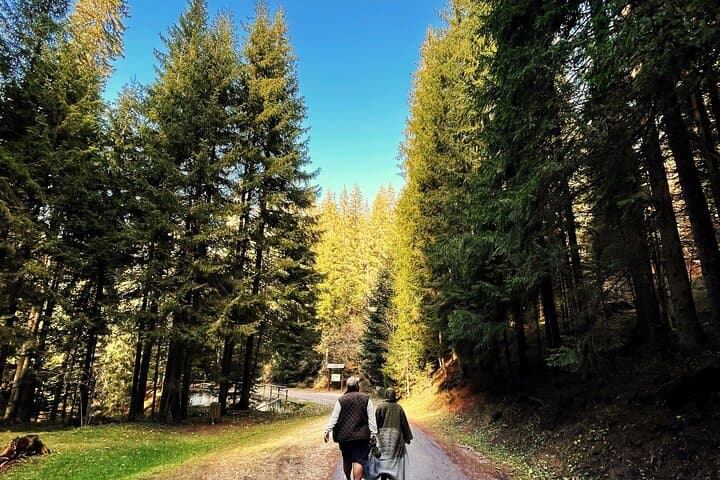
Practically, the tour is a full-day outing (about 5–6 hours) with short forest walks (roughly 1–3 km of on-trail walking, modest elevation changes). Caves are cool and damp—bring a light layer and closed-toe shoes. Expect guided commentary, hotel pickup and drop-off, bottled water, and small-group logistics; photography is welcome but avoid touching formations. Timing mid-morning to late afternoon gives the best light for the spring and the most comfortable cave temperatures for lingering in the main hall.
moderate.
5–6 hours.
Suitable for most people who can manage several short walks (1–3 km total) on uneven ground; minimal climbing or scrambling required.
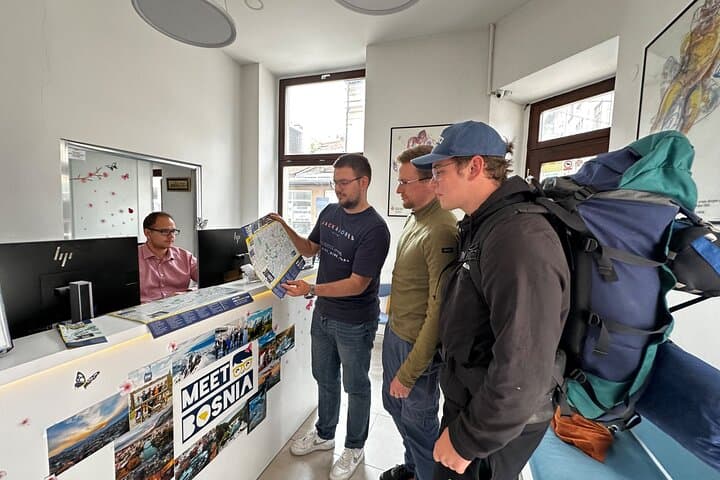
The tour lasts about 5–6 hours and includes hotel pickup/drop-off in Sarajevo, a licensed guide, bottled water, transport in modern vehicles, and visits to Bijambare cave complex and Vrelo Bosne; cave entrance fees may be managed by the guide.
Passageways are mostly guided, with short on-trail walks and steps; the terrain inside can be uneven and damp but no technical climbing is required—sturdy shoes are recommended.
Yes—children can join but must be accompanied by an adult; infants can ride in strollers for portions and infant seats are available in vehicles.
Photography is allowed on most sections, but avoid using flash near delicate formations and follow your guide’s instructions to protect the cave environment.
Upper Cave contains Pleistocene-era faunal and prehistoric records, while Vrelo Bosne’s oak avenue and nearby villas reflect Austro-Hungarian-era summer retreats.
Both sites are sensitive: cave speleothems are non-renewable and the Vrelo Bosne basin protects a key groundwater source—stay on paths, don’t touch formations, and pack out waste.
Meet Bosnia Travel operates guided outdoor trips and adventures with an emphasis on safety, stewardship, and memorable experiences.
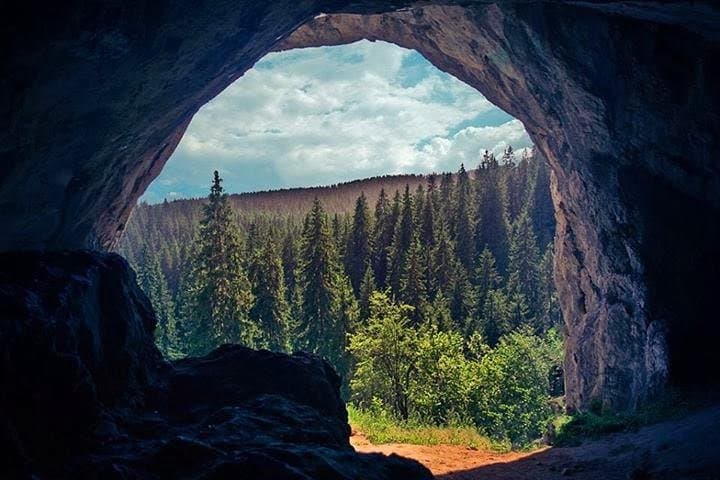
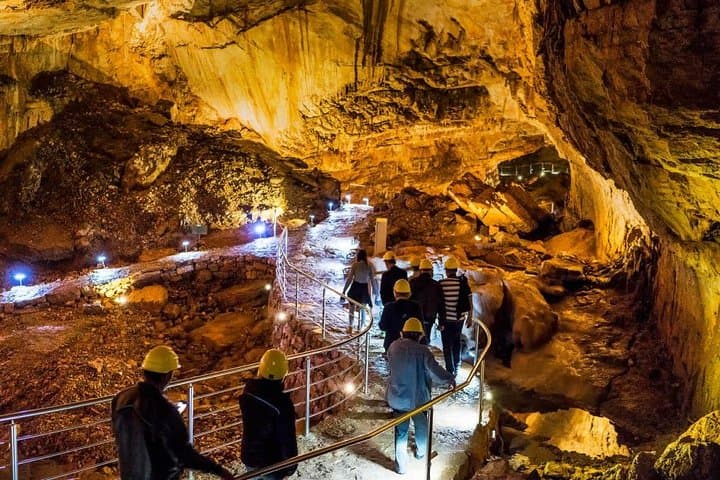
A cool breeze from the forest presses against the van as it eases out of Sarajevo and into the karst hinterland—today’s route threads between oak and beech, then drops into the shaded bowl that holds the Bijambare cave complex. Visitors step from the trail into the cave’s hush: dripping stalactites marking centuries, a main chamber broad enough to hold a crowd, and a small underground lake that reflects mineral lights like a held breath.
A cool breeze from the forest presses against the van as it eases out of Sarajevo and into the karst hinterland—today’s route threads between oak and beech, then drops into the shaded bowl that holds the Bijambare cave complex. Visitors step from the trail into the cave’s hush: dripping stalactites marking centuries, a main chamber broad enough to hold a crowd, and a small underground lake that reflects mineral lights like a held breath.
The Bijambare group records both natural history and human history; the Upper Cave preserves Pleistocene faunal layers while the Middle Cave displays the cavernous hall that locals once used for large gatherings. Geologically the area is classic Dinaric karst—limestone shaped by long, cold water that has etched chambers and speleothems over millennia. The day finishes at Vrelo Bosne, the spring where the Bosna River first forces daylight: shallow channels, parkland paths, and an Austro-Hungarian oak avenue that hints at the region’s imperial-era leisure culture.
Practically, the tour is a full-day outing (about 5–6 hours) with short forest walks (roughly 1–3 km of on-trail walking, modest elevation changes). Caves are cool and damp—bring a light layer and closed-toe shoes. Expect guided commentary, hotel pickup and drop-off, bottled water, and small-group logistics; photography is welcome but avoid touching formations. Timing mid-morning to late afternoon gives the best light for the spring and the most comfortable cave temperatures for lingering in the main hall.