THE ADVENTURE COLLECTIVE® · Independent discovery and booking for outdoor travel

Explore Bijambare’s cool limestone caverns and the spring-fed calm of Vrelo Bosne on a half‑day tour from Sarajevo. This accessible nature outing mixes cave geology, riverside walks, and optional carriage rides through historic oak alleys.
Explore Bijambare’s cool limestone caverns and the spring-fed calm of Vrelo Bosne on a half‑day tour from Sarajevo. This accessible nature outing mixes cave geology, riverside walks, and optional carriage rides through historic oak alleys.
You step out of the air‑conditioned transfer into a cool, dim corridor where dropstones drip and the cave breathes around you. Bijambare’s caverns open like a folded page of limestone: tight passages give way to chambers lit by soft gallery lamps, while a small river threads through caverns and pours into a quiet mountain lake.
Verified experiences and guided adventures in the surrounding area.
Operated by Balkland · Sarajevo, Sarajevo Canton
You step out of the air‑conditioned transfer into a cool, dim corridor where dropstones drip and the cave breathes around you. Bijambare’s caverns open like a folded page of limestone: tight passages give way to chambers lit by soft gallery lamps, while a small river threads through caverns and pours into a quiet mountain lake.
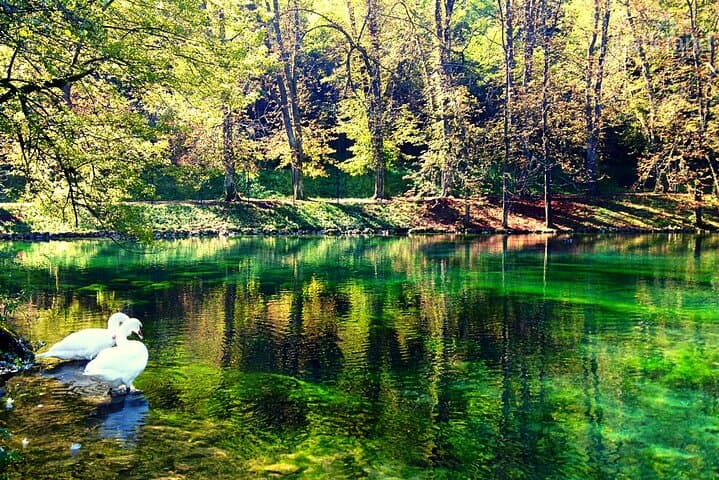
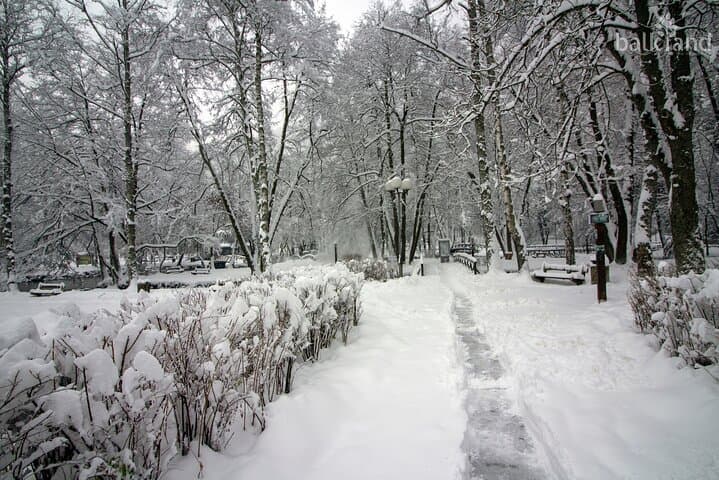
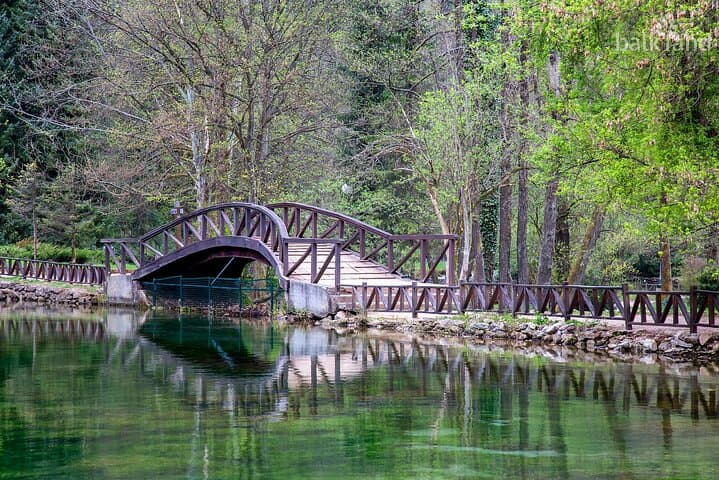
The route pairs this karst geology with Vrelo Bosne’s pastoral springlands — the Bosna river born in clear, bubbling outlets beneath alder and oak. The area’s human story is visible too: the Austro‑Hungarian villas and the oak alleys at Ilidža recall 19th‑century spa culture that pushed Sarajevo’s residents outdoors for clean air and mineral springs.
Geology here is plain to see: calcite deposits form stalactites and stalagmites that grow imperceptibly each year, and the park’s shallow springs support trout and waterfowl. Local guides add cultural notes on Ottoman and Austro‑Hungarian influences and point out medicinal plants lining the trails.
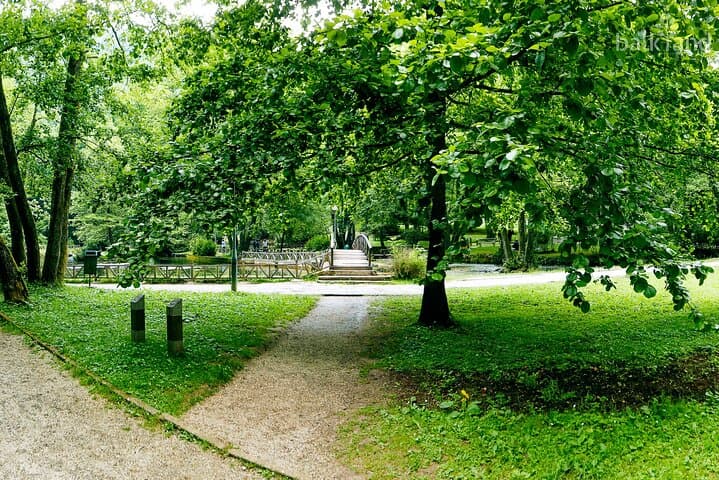
Practically, expect a half‑day outing (roughly 7–8 hours door‑to‑door from Sarajevo) with 45 minutes’ drive each way, short carved steps inside the cave, and flat, tree‑shaded paths at Vrelo Bosne. Wear grippy shoes; temperatures inside the cave are noticeably cooler. There’s an optional horse‑carriage alley ride if you want a gentler pace and photos of the villa facades. Bring a light layer, a refillable bottle, and modest cash for extras. The tour balances shaded walking and easily reached viewpoints — an accessible nature escape that rewards steady, observant pace rather than speed.
easy.
7–8 hours (door-to-door).
Suitable for most fitness levels; requires standing, short stair sections in the cave, and short walks on flat paths.
Yes — pickup and return in an air‑conditioned vehicle is typically included in the half‑day tour.
Generally yes; the tour is family‑friendly but the caves have short stair sections and low ceilings—supervise children and move at a measured pace.
N/A
Bookings are often instant and include admissions, but reserving ahead is recommended during peak season to secure preferred pickup times.
The Ilidža area around Vrelo Bosne became a popular 19th‑century spa retreat under Austro‑Hungarian rule; many villas and promenades date to that era.
Cave formations take thousands of years to form; stick to marked paths, avoid touching formations, and follow local guidance to protect fragile karst and riparian habitats.
Balkland operates guided outdoor trips and adventures with an emphasis on safety, stewardship, and memorable experiences.
You step out of the air‑conditioned transfer into a cool, dim corridor where dropstones drip and the cave breathes around you. Bijambare’s caverns open like a folded page of limestone: tight passages give way to chambers lit by soft gallery lamps, while a small river threads through caverns and pours into a quiet mountain lake.
You step out of the air‑conditioned transfer into a cool, dim corridor where dropstones drip and the cave breathes around you. Bijambare’s caverns open like a folded page of limestone: tight passages give way to chambers lit by soft gallery lamps, while a small river threads through caverns and pours into a quiet mountain lake.
The route pairs this karst geology with Vrelo Bosne’s pastoral springlands — the Bosna river born in clear, bubbling outlets beneath alder and oak. The area’s human story is visible too: the Austro‑Hungarian villas and the oak alleys at Ilidža recall 19th‑century spa culture that pushed Sarajevo’s residents outdoors for clean air and mineral springs.
Geology here is plain to see: calcite deposits form stalactites and stalagmites that grow imperceptibly each year, and the park’s shallow springs support trout and waterfowl. Local guides add cultural notes on Ottoman and Austro‑Hungarian influences and point out medicinal plants lining the trails.
Practically, expect a half‑day outing (roughly 7–8 hours door‑to‑door from Sarajevo) with 45 minutes’ drive each way, short carved steps inside the cave, and flat, tree‑shaded paths at Vrelo Bosne. Wear grippy shoes; temperatures inside the cave are noticeably cooler. There’s an optional horse‑carriage alley ride if you want a gentler pace and photos of the villa facades. Bring a light layer, a refillable bottle, and modest cash for extras. The tour balances shaded walking and easily reached viewpoints — an accessible nature escape that rewards steady, observant pace rather than speed.