THE ADVENTURE COLLECTIVE® · Independent discovery and booking for outdoor travel

Spend a full day in Bijagua searching for sloths, toucans and frogs on easy rainforest trails, then cool off beneath the wide cascade of Llanos de Cortés. Includes a bilingual guide, lunch, and a coffee-and-chocolate tasting.
Spend a full day in Bijagua searching for sloths, toucans and frogs on easy rainforest trails, then cool off beneath the wide cascade of Llanos de Cortés. Includes a bilingual guide, lunch, and a coffee-and-chocolate tasting.
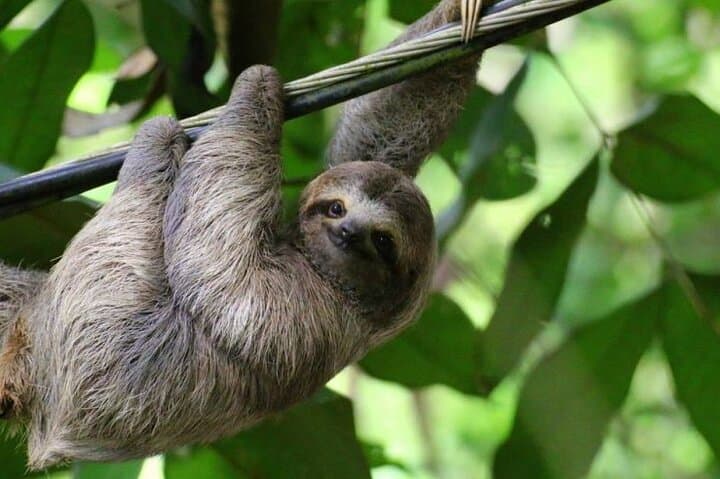
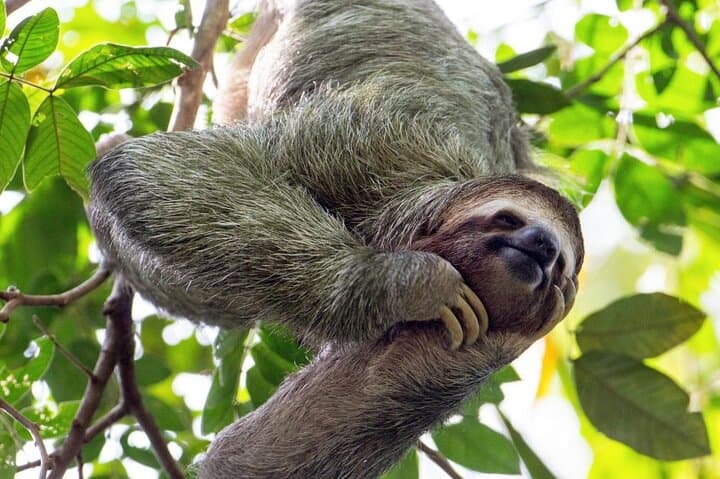
Morning light filters through a low rainforest canopy as a small group follows a bilingual naturalist who pauses, hand raised — a slow-moving sloth dangling like a private exhibit among the leaves. The guide trains binoculars and a spotting scope on distant branches; toucans call from the emergent layer while frogs answer closer to the forest floor.
Verified experiences and guided adventures in the surrounding area.
Operated by Costa Rica Adventures Travels · Bijagua, Alajuela
Morning light filters through a low rainforest canopy as a small group follows a bilingual naturalist who pauses, hand raised — a slow-moving sloth dangling like a private exhibit among the leaves. The guide trains binoculars and a spotting scope on distant branches; toucans call from the emergent layer while frogs answer closer to the forest floor.
This full-day Bijagua circuit pairs gentle rainforest trails with a visit to Llanos de Cortés, a broad waterfall known for its curtain-like cascade and a cool natural pool. Geologically the area sits on volcanic soils fed by the Tenorio watershed; rivers here cut through young volcanic rock to create wide plunges and clear pools. Culturally, the northwest of Alajuela blends smallholder coffee and cocoa farms with protected forest corridors that support sloths, monkeys and prolific birdlife.
Expect easy, guided walking on uneven, often muddy paths (1–3 km of trailwalking with minor elevation changes), then a relaxed swim or riverside break at the waterfall. The experience finishes with a traditional Costa Rican lunch and a short coffee-and-chocolate tasting that highlights local production methods.
Practical: wear sturdy shoes, bring rain protection and insect repellent, and plan for variable weather—mornings are best for wildlife viewing. Guides emphasize low-impact viewing: keep distance from animals, use quiet voices, and avoid feeding wildlife. For travelers seeking approachable rainforest encounters and a refreshing waterfall stop, this is a straightforward, wildlife-rich day that balances observation, short hikes, and local flavor.
easy.
6 hours.
Suitable for most fitness levels; requires short, easy hikes on uneven terrain and brief standing/spotting periods
The tour is about 6 hours and includes private transportation, a bilingual naturalist guide, lunch, a water bottle, and a coffee-and-chocolate tasting.
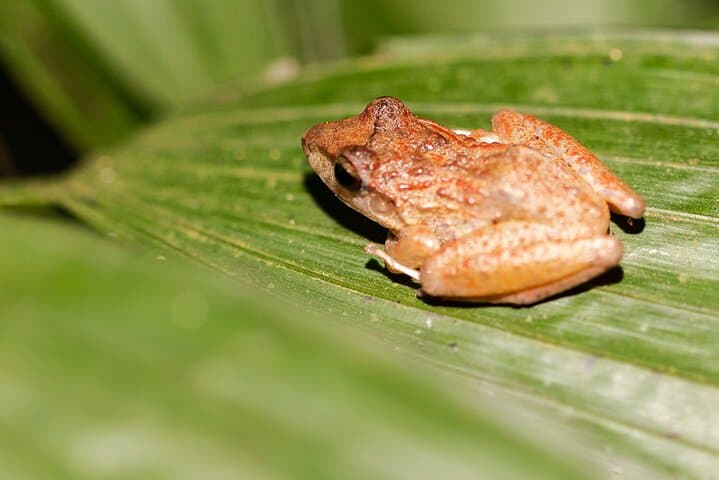
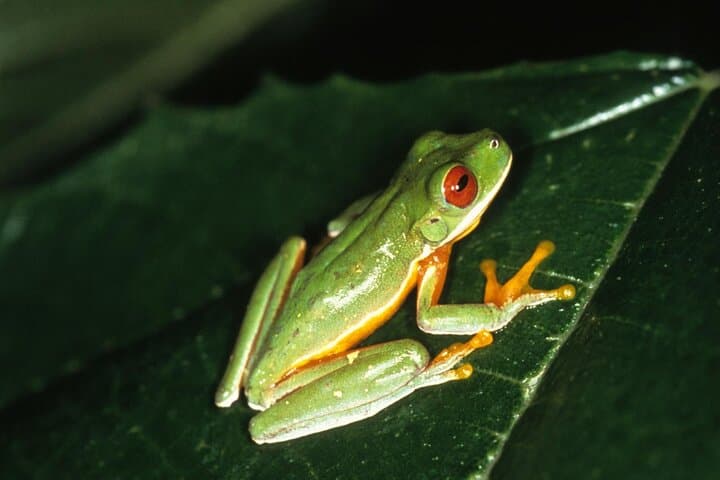
Common sightings include two- and three-toed sloths, toucans, tree frogs, and sometimes howler or white-faced capuchin monkeys—sightings depend on season and quiet observation.
Trails are short and generally easy but uneven; the tour is listed as suitable for all fitness levels though it’s not recommended for people with serious spinal injuries.
Yes—there is a natural pool at the base of the wide cascade suitable for swimming when conditions are safe; follow your guide’s advice about currents and depth.
The Bijagua area sits near historical coffee- and cocoa-producing lands and lies within forest corridors that have been conserved to protect watershed function around the Tenorio volcanic region.
Guides emphasize Leave No Trace practices—staying on trails, not feeding wildlife, and using refillable bottles helps reduce impact on sensitive rainforest ecosystems.
Costa Rica Adventures Travels operates guided outdoor trips and adventures with an emphasis on safety, stewardship, and memorable experiences.
Morning light filters through a low rainforest canopy as a small group follows a bilingual naturalist who pauses, hand raised — a slow-moving sloth dangling like a private exhibit among the leaves. The guide trains binoculars and a spotting scope on distant branches; toucans call from the emergent layer while frogs answer closer to the forest floor.
Morning light filters through a low rainforest canopy as a small group follows a bilingual naturalist who pauses, hand raised — a slow-moving sloth dangling like a private exhibit among the leaves. The guide trains binoculars and a spotting scope on distant branches; toucans call from the emergent layer while frogs answer closer to the forest floor.
This full-day Bijagua circuit pairs gentle rainforest trails with a visit to Llanos de Cortés, a broad waterfall known for its curtain-like cascade and a cool natural pool. Geologically the area sits on volcanic soils fed by the Tenorio watershed; rivers here cut through young volcanic rock to create wide plunges and clear pools. Culturally, the northwest of Alajuela blends smallholder coffee and cocoa farms with protected forest corridors that support sloths, monkeys and prolific birdlife.
Expect easy, guided walking on uneven, often muddy paths (1–3 km of trailwalking with minor elevation changes), then a relaxed swim or riverside break at the waterfall. The experience finishes with a traditional Costa Rican lunch and a short coffee-and-chocolate tasting that highlights local production methods.
Practical: wear sturdy shoes, bring rain protection and insect repellent, and plan for variable weather—mornings are best for wildlife viewing. Guides emphasize low-impact viewing: keep distance from animals, use quiet voices, and avoid feeding wildlife. For travelers seeking approachable rainforest encounters and a refreshing waterfall stop, this is a straightforward, wildlife-rich day that balances observation, short hikes, and local flavor.