THE ADVENTURE COLLECTIVE® · Independent discovery and booking for outdoor travel

Spend a long, revealing day from the Kona coffee belt to the steaming fissures of Kīlauea. This guided tour mixes geology, coastal scenery and local flavors — black sand beaches, lava tubes and active volcanic landscapes in one itinerary.
Spend a long, revealing day from the Kona coffee belt to the steaming fissures of Kīlauea. This guided tour mixes geology, coastal scenery and local flavors — black sand beaches, lava tubes and active volcanic landscapes in one itinerary.
Dawn on the Big Island often starts with coffee steam rising above plantation orchards and the ocean breeze pulling you toward volcanic sulfur and black sand. This full‑day excursion threads the Kona coffee belt and Punaluʻu black sand beach before moving inland to the Hawaii Volcanoes National Park, where steam vents huff like a living map and the Thurston Lava Tube invites you to step into a tunnel formed by molten rock.
Verified experiences and guided adventures in the surrounding area.
Operated by Pearl Harbor Oahu · Hilo, Hawaii
Dawn on the Big Island often starts with coffee steam rising above plantation orchards and the ocean breeze pulling you toward volcanic sulfur and black sand. This full‑day excursion threads the Kona coffee belt and Punaluʻu black sand beach before moving inland to the Hawaii Volcanoes National Park, where steam vents huff like a living map and the Thurston Lava Tube invites you to step into a tunnel formed by molten rock.
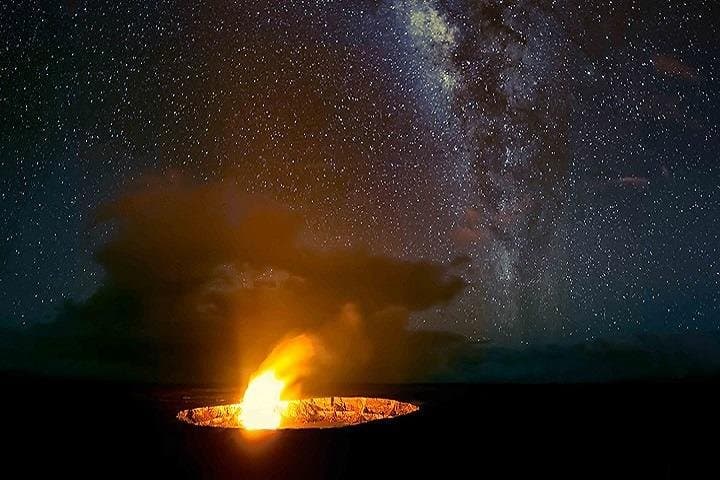
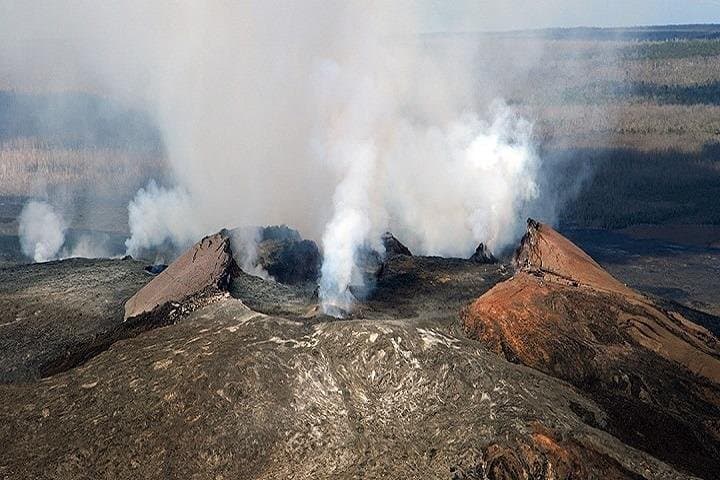
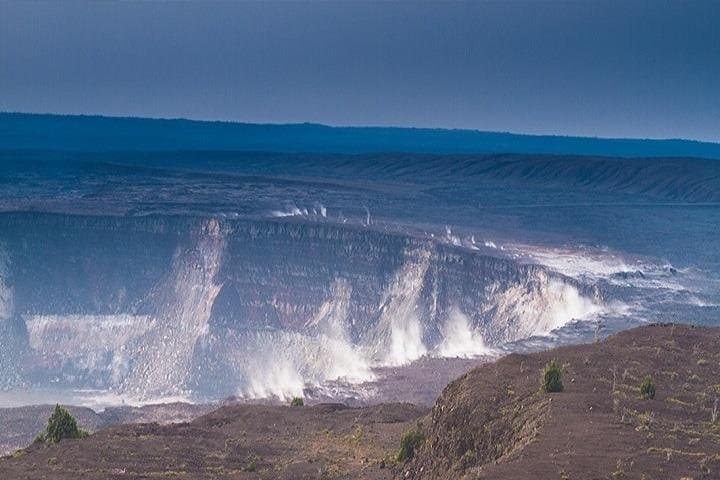
Geology here is obvious: the island is young, built from basaltic flows fed by hotspot volcanism, with Kīlauea one of the most active calderas on Earth. The park, created in 1916, contains Kīlauea Iki crater, rainforest lookouts, and interpretive displays at the Kīlauea Visitor Center that explain eruption sequences and lava morphology.
Culturally, the terrain is charged — Native Hawaiian stories center on Pele, the volcano deity — and local communities balance tourism with stewardship. Expect short walks on uneven lava rock, wet sand at Punaluʻu, and scenic photo stops at family coffee farms and a sweet bread bakery.
Practicalities: this is a long, guided day (roughly 12 hours) with vehicle transfers between dispersed sites; bring layered clothing for both humid coastlines and windy crater rims, a sun hat, and at least 1–2 liters of water. Trails and overlooks vary from paved visitor-center paths to rocky pullouts; follow ranger guidance and stay on marked routes to avoid unstable ground and protect native habitat.
moderate.
12 hours.
Able to handle a long day of short walks, standing and light uneven terrain; minimal sustained exertion required
The tour lasts about 12 hours with multiple short walks and viewpoints; expect mostly short, easy walks and a few uneven paths through lava or rainforest.
Yes — this tour typically includes park admission, as noted in the inclusions.
No—steam vents and active flows can be unstable and hot; stay on marked trails and heed ranger and guide warnings.
Yes; the itinerary is suitable for a wide range of ages and fitness levels, though some mobility is needed for short uneven walks.
Hawaii Volcanoes National Park was established in 1916 to protect volcanic landscapes and native ecosystems; the area holds deep cultural significance for Native Hawaiians, especially stories of Pele.
Flows and tourism both reshape fragile soils and native forests—stay on trails, don’t collect rocks or sand, and follow Leave No Trace to protect endemic species.
Pearl Harbor Oahu operates guided outdoor trips and adventures with an emphasis on safety, stewardship, and memorable experiences.
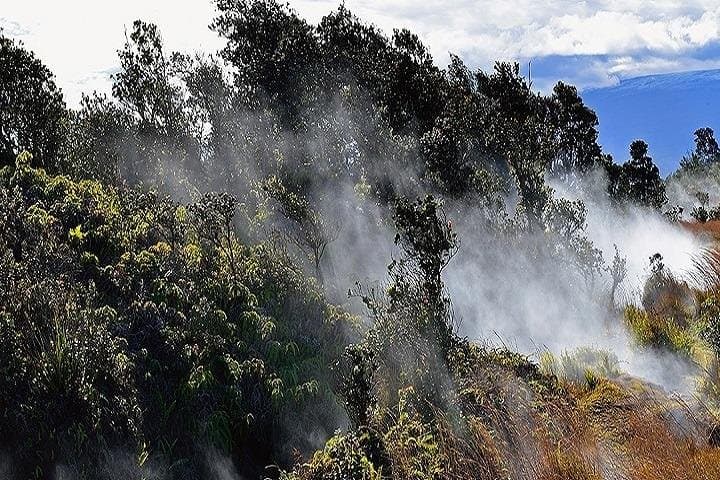
Dawn on the Big Island often starts with coffee steam rising above plantation orchards and the ocean breeze pulling you toward volcanic sulfur and black sand. This full‑day excursion threads the Kona coffee belt and Punaluʻu black sand beach before moving inland to the Hawaii Volcanoes National Park, where steam vents huff like a living map and the Thurston Lava Tube invites you to step into a tunnel formed by molten rock.
Dawn on the Big Island often starts with coffee steam rising above plantation orchards and the ocean breeze pulling you toward volcanic sulfur and black sand. This full‑day excursion threads the Kona coffee belt and Punaluʻu black sand beach before moving inland to the Hawaii Volcanoes National Park, where steam vents huff like a living map and the Thurston Lava Tube invites you to step into a tunnel formed by molten rock.
Geology here is obvious: the island is young, built from basaltic flows fed by hotspot volcanism, with Kīlauea one of the most active calderas on Earth. The park, created in 1916, contains Kīlauea Iki crater, rainforest lookouts, and interpretive displays at the Kīlauea Visitor Center that explain eruption sequences and lava morphology.
Culturally, the terrain is charged — Native Hawaiian stories center on Pele, the volcano deity — and local communities balance tourism with stewardship. Expect short walks on uneven lava rock, wet sand at Punaluʻu, and scenic photo stops at family coffee farms and a sweet bread bakery.
Practicalities: this is a long, guided day (roughly 12 hours) with vehicle transfers between dispersed sites; bring layered clothing for both humid coastlines and windy crater rims, a sun hat, and at least 1–2 liters of water. Trails and overlooks vary from paved visitor-center paths to rocky pullouts; follow ranger guidance and stay on marked routes to avoid unstable ground and protect native habitat.